News
Usher Stops Steamy Onstage Encounter After Fan Appears Uncomfortable at Nashville Show
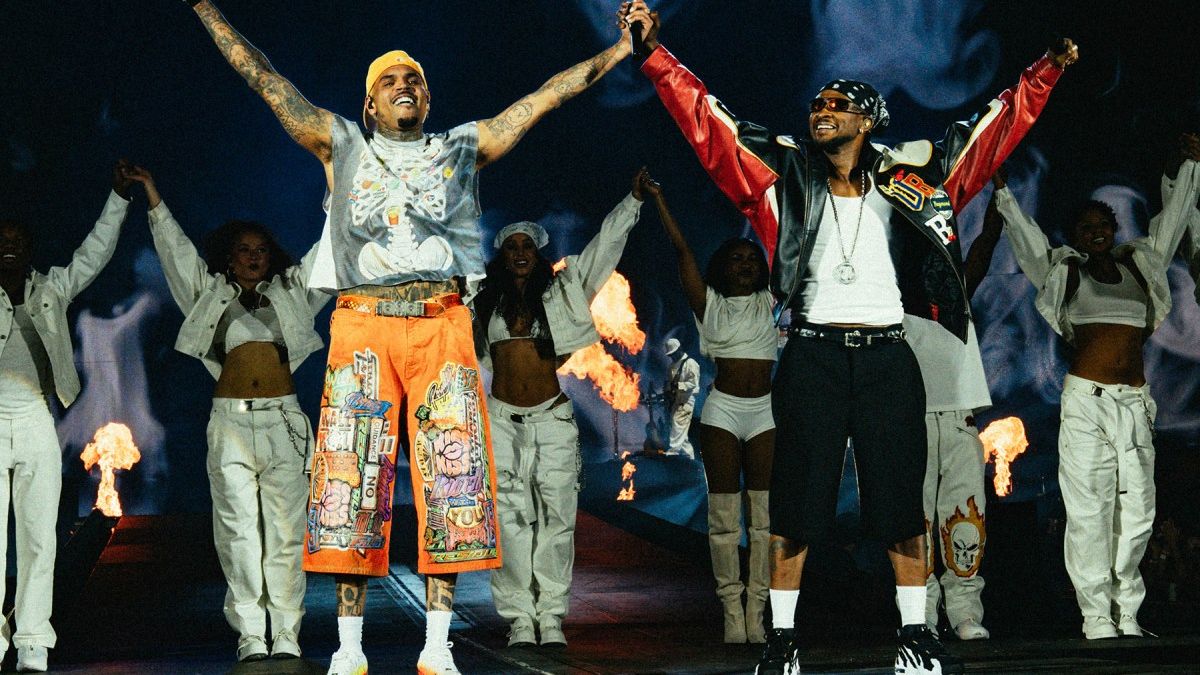
At Nissan Stadium in Nashville, Tennessee, a woman's dream of meeting Usher on stage turned into a nightmare as the R&B superstar's sensual routine with her left her visibly uncomfortable. The incident has sparked reactions online, with many questioning why she chose to participate in the performance in the first place. But beneath the surface, this moment raises more complex questions about the blurred lines of consent, the commodification of intimacy, and the power dynamics at play in the music industry.
Usher's invitation to a fan onto the stage during his performance of Can U Handle It? From his 2004 album Confessions was a calculated move, designed to create a memorable experience for the audience. But for the woman, it quickly turned into a moment of discomfort as Usher's sensual routine left her visibly uneasy. The fact that she initially went along with it before appearing increasingly uncomfortable raises important questions about the nature of consent. Was she fully aware of what she was getting herself into, or was she swept up in the excitement of the moment?
The incident also highlights the power dynamics at play in the music industry, where fans are often encouraged to participate in performances and create a sense of community with the artist. However, this can also lead to situations where fans feel pressured or coerced into participating in ways that make them uncomfortable. Usher's decision to stop the performance and acknowledge the woman's unease was a welcome move, but it also raises questions about the industry's responsibility in ensuring that fans are not exploited or taken advantage of.
The incident also speaks to the commodification of intimacy in the music industry, where artists often use their bodies and relationships to sell tickets and merchandise. Usher's sensual routine with the fan was a calculated move to create a memorable experience, but it also raises questions about the value placed on intimacy and the ways in which it is used to sell music. The fact that fans are willing to participate in these types of performances for the sake of a social media moment or a chance to be seen by the artist raises important questions about the value placed on intimacy and the ways in which it is used to sell music.
The incident has also sparked reactions online, with many questioning why the woman chose to participate in the performance in the first place. But beneath the surface, this moment raises more complex questions about the price of fame and the ways in which it can be both a blessing and a curse. For the woman, participating in the performance may have been a chance to experience something unique and memorable, but it also left her visibly uncomfortable. The incident serves as a reminder that fame often comes with a price, and that the lines between consent and coercion can be easily blurred.
In the aftermath of the incident, Usher's decision to stop the performance and acknowledge the woman's unease was a welcome move. But it also raises important questions about the industry's responsibility in ensuring that fans are not exploited or taken advantage of. The incident serves as a reminder that consent is not just about saying yes or no, but about creating a safe and respectful environment where fans feel free to make their own choices. As the music industry continues to evolve and change, it's essential that we prioritize consent and respect in all aspects of our interactions.
Despite the incident, Usher and Chris Brown's co-headlining tour continues through December, with upcoming stops in major markets including Toronto, Las Vegas, Los Angeles, Atlanta, and Chicago. The tour has been a dream come true for R&B fans, showcasing extensive catalogs from both performers. However, the incident serves as a reminder that even in the most exciting and memorable moments, consent and respect must always come first.
As the tour continues, it's essential that we prioritize consent and respect in all aspects of our interactions. By doing so, we can create a safer and more respectful environment for fans and artists alike, where everyone feels free to make their own choices and participate in performances without fear of exploitation or coercion.