News
What is SynthID, and how does it detect AI-generated images?
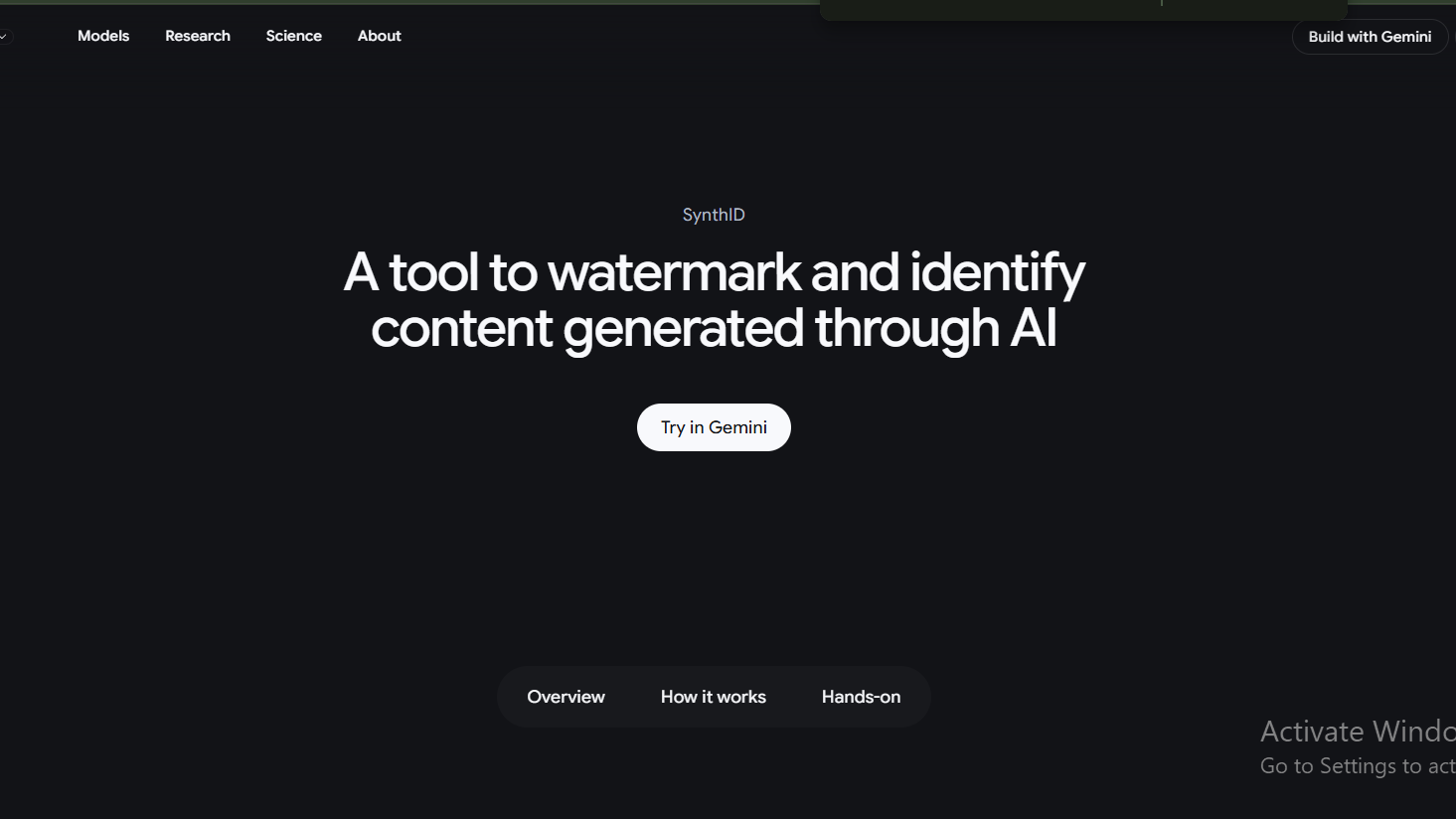
As SynthID, Google DeepMind's invisible digital watermarking and detection system, continues to spread its reach, the ripple effects are being felt across the digital landscape. For creators, not if SynthID is coming, but when. Google DeepMind's SynthID is designed to leave an invisible mark at the very moment an image is created, a signal that can only be detected by its designed counterpart. The stakes are high, particularly for those who rely on AI image generators to create content. As AI image generators grow more sophisticated, distinguishing synthetic images from genuine ones has become one of the defining challenges of the digital age.
SynthID embeds a signal directly into the pixels of an AI-generated image at the point of creation, a subtle adjustment that remains undetectable to the human eye. This digital watermarking system, developed by Google DeepMind, is not a visible label or file metadata, but a machine-readable watermark that can be detected by its designed counterpart. The detection system uses a two-method approach: the watermarking model makes subtle adjustments to individual pixels, while the detection model is trained to identify AI-generated content.
SynthID launched in August 2023 as a prototype, initially available to select customers using Imagen, Google's text-to-image model. Since then, it has expanded to cover four content types: images, video (via Google's Veo model), audio (via Lyria), and text (via Gemini). Each medium requires a different technical approach, though the underlying principle remains the same: to embed a machine-readable watermark that remains undetectable to human eyes or ears. The system has been applied to over 10 billion pieces of content, spanning images, video, audio, and text.
While SynthID has been subjected to extensive testing against common image transformations, it's clear that the system is not foolproof. As other companies start to adopt SynthID watermarks, it's only a matter of time before detection systems are developed to counter them. Currently, Gemini can only recognise content created by Google AI tools. Moreover, the system's reliance on a specific digital watermark raises questions about the potential for counterfeiting and the long-term implications for content creators.
As SynthID continues to spread its reach, it's essential to consider the implications for creators, consumers, and the digital landscape as a whole. Will SynthID become a standard for digital content, or will it be met with resistance from those who see it as a restriction on creativity?The stakes are high for creators who rely on AI image generators, and the future of SynthID remains uncertain. As the system continues to expand its reach, one thing is clear: SynthID is leaving a mark on the digital age, and the consequences will be far-reaching.