News
Whose Name Is On The Title? Inside the Private Room Where African Women Are Learning to Own What They Build
Whose Name Is On The Title? For Udo Okonjo, a renowned wealth strategist, not whether African women are achieving success, but whether they're holding onto it.
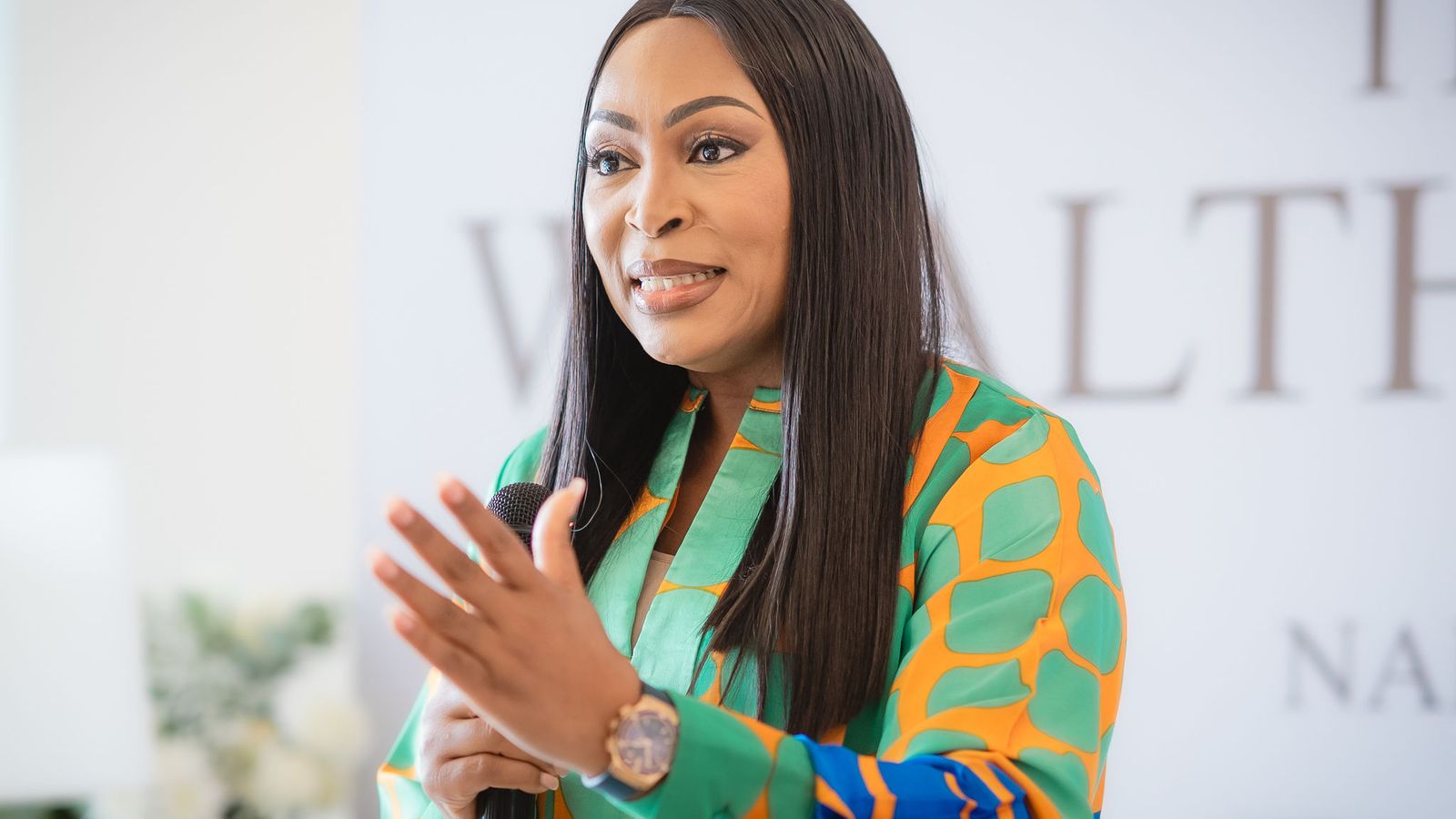
For Udo Okonjo, a renowned wealth strategist, not whether African women are achieving success, but whether they're holding onto it. In a private room in Nairobi this June, Okonjo convened the inaugural Wealth Table Nairobi, a gathering of 24 accomplished women from East Africa's top echelons. The group was comprised of founders, executives, lawyers, and investors, all united by a singular goal: to redefine what it means to own wealth.
Okonjo's argument is not that African women are failing; they're not. They're building businesses, funding households, and driving industries. However, the problem lies in how the continent measures success. "We have never been afraid to build," Okonjo says. "We were simply never taught to own." This distinction is crucial, as income is fragile and can be easily disrupted, whereas ownership compounds and has the potential to create lasting wealth.
The Wealth Table format is deliberately designed to facilitate candour and collaboration among its members. Without a moderator or audience, the women are free to share their experiences and insights without fear of judgment. This environment allows them to tackle the harder questions, like the ones Okonjo posed: "If your name is on it, do not exhale. Owning it is the starting line, not the finish." not just about ownership, but about the kind of ownership that creates wealth, ownership that endures beyond one's lifetime and empowers others.
In a world where social media and public platforms often dictate how success is measured, the Wealth Table's private setting is a refreshing departure. Here, women can shed the facades and share their true experiences, unfiltered by the expectations of others. It's a space where they can explore the differences between building something and owning it. "Does it work, or does it only sit?" Okonjo asks. "Will it survive you?" These questions are not just rhetorical; they're a call to action for women to take ownership of their wealth and create a lasting legacy.
The Wealth Table's focus on ownership that outlasts one's lifetime is a powerful message. It's a reminder that wealth is not just about accumulating riches, but about creating a lasting impact. Okonjo's vision is not just about empowering women to own their wealth, but about creating a ripple effect that benefits generations to come. In a continent where women are already driving industries and building businesses, it's time to redefine what success looks like and ensure that African women are not just building their wealth, but owning it.
Okonjo's initiative is just the beginning. With the Wealth Table movement now spanning over 140 women across 16 countries, the potential impact is significant. As more women join the conversation and begin to redefine what it means to own wealth, we can expect to see a shift in the way the continent approaches financial success. The question of whose name is on the title will no longer be just about individual achievement, but about creating a lasting legacy that benefits not just oneself, but others.
The Wealth Table's private setting may be unique, but its message is not. It's a call to action for women to take ownership of their wealth and create a lasting impact. As Okonjo says, "Owning it is the starting line, not the finish." The finish line is legacy, and it's time for African women to start crossing it.