Politics
2027: How opposition's disunity hobbles serious contest, power shift
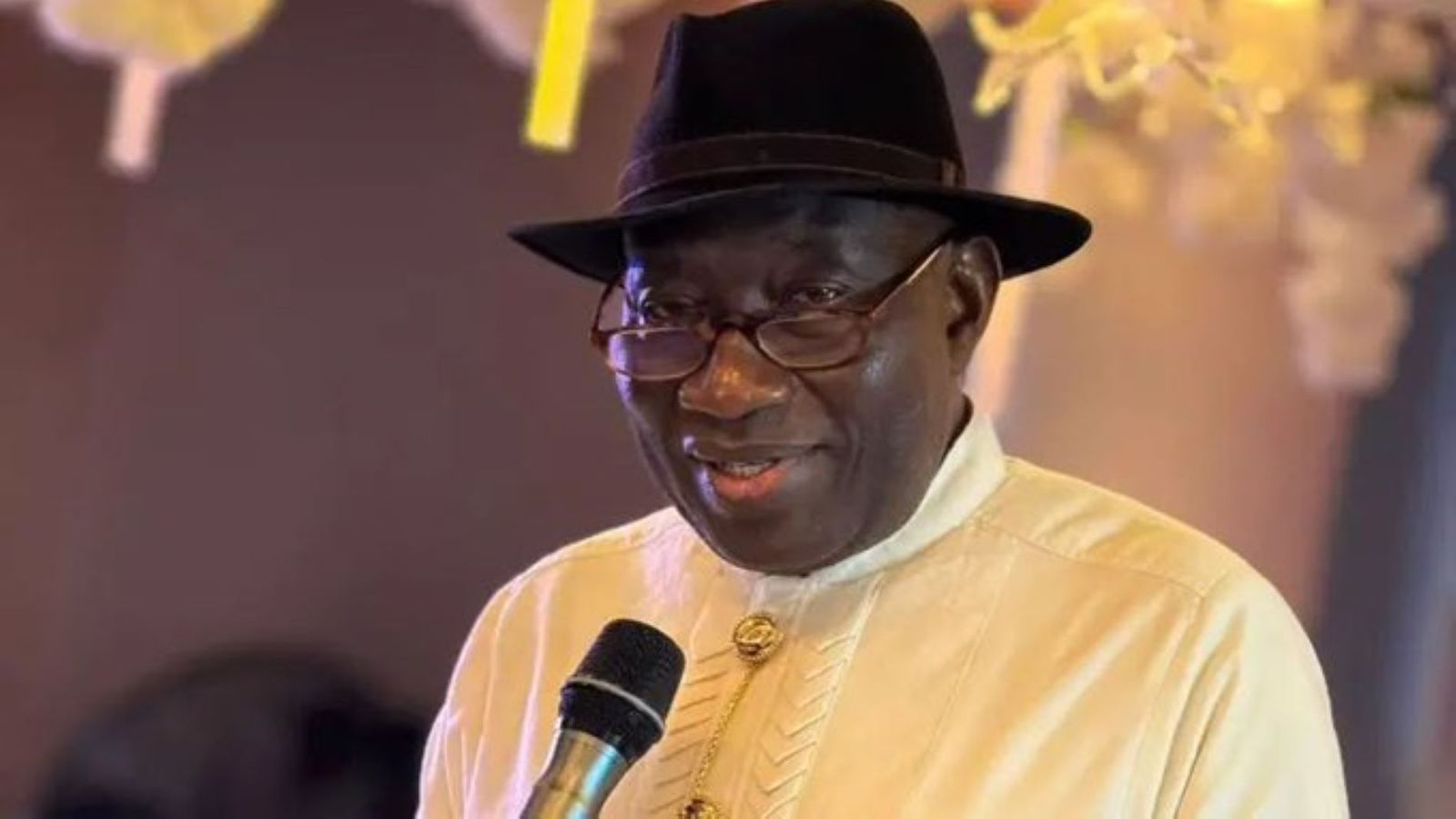
As the 2027 general elections draw near, President Bola Tinubu and the ruling All Progressives Congress (APC) seem more secure than ever, despite widespread public dissatisfaction over economic hardship, insecurity, inflation, and unemployment. The opposition's chances of challenging the APC depend less on public frustration than on its ability to overcome internal divisions and pose a serious contender and credible alternative.
Nigeria's opposition parties are fragmented, with no single party capable of mustering the strength to challenge the APC. The dominant question within political circles is no longer whether Nigerians are unhappy with the current state of affairs, but whether the opposition possesses the organisation, unity, and political machinery necessary to convert public frustration into electoral victory. While public dissatisfaction over economic hardship, insecurity, inflation, and unemployment remains widespread, the APC remains in a relatively comfortable position. In 2022, the APC won 18 out of 36 governorship seats, while the Peoples Democratic Party (PDP) won just 10. The APC also controls the majority of the National Assembly, with 65 senators and 217 members of the House of Representatives.
In 2015, the opposition accomplished what had previously seemed impossible. Rather than contesting separately, opposition leaders set aside personal ambitions and built a coalition around a common objective. The Congress for Progressive Change (CPC), Action Congress of Nigeria (ACN), All Nigeria Peoples Party (ANPP), a faction of the All Progressives Grand Alliance (APGA), and elements within the PDP merged to form the APC. This strategic coalition-building, combined with key political actors making sacrifices, allowed the APC to dismantle the PDP's dominance. Late President Muhammadu Buhari provided the North's massive voting base, while President Bola Tinubu perhaps offered the South-West's strongest political structure.
Nigeria's opposition parties have a unique opportunity to learn from the APC's 2015 victory. By setting aside personal ambitions and building a coalition around a common objective, the opposition can pose a serious challenge to the APC. However, this requires a level of unity and organisation that currently eludes the opposition. If the opposition parties fail to present a united front, they risk allowing the APC to maintain its grip on power. A divided opposition is a recipe for disaster, as it allows the ruling party to exploit divisions and maintain its comfortable position.
In the coming months, the opposition will need to make strategic calculations about how to present a united front. This may involve coalitions, mergers, or even the emergence of new parties. Whatever the approach, it will require a level of unity and organisation that currently eludes the opposition. If the opposition fails to present a united front, it risks allowing the APC to maintain its grip on power. The 2027 general elections are a critical moment for Nigeria's opposition parties. Will they learn from the APC's 2015 victory and present a united front, or will they continue to squabble and allow the APC to maintain its comfortable position?
Nigeria's opposition parties must put aside personal ambitions and work towards a common objective if they hope to challenge the APC. The stakes are high, and the consequences of failure will be severe. But if the opposition parties can learn from the APC's 2015 victory and present a united front, they may yet have a chance to challenge the ruling party and bring about a power shift.