News
AI is now a geopolitical asset. African presidents are racing to catch up
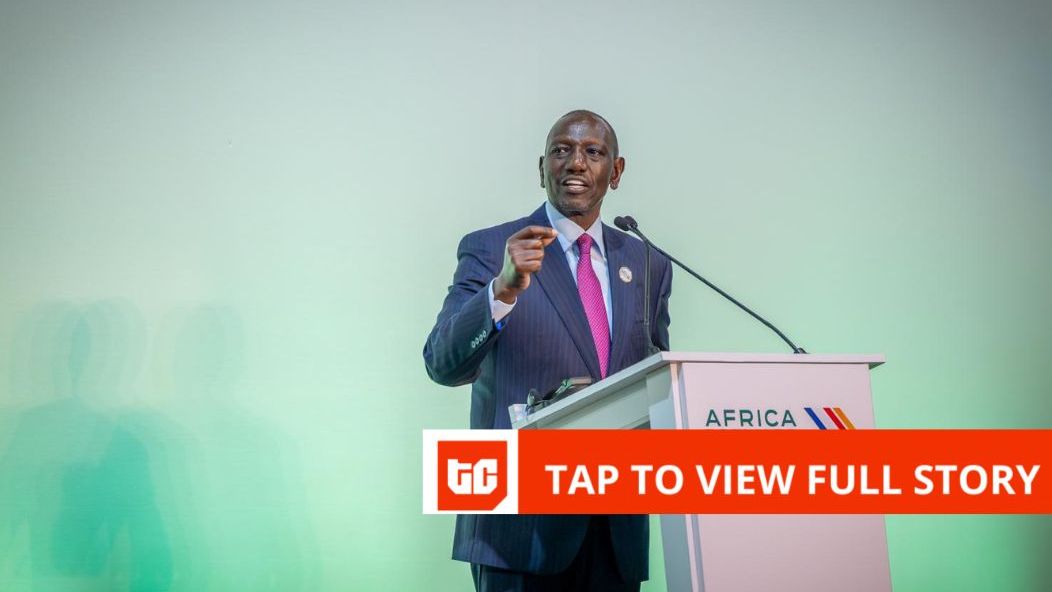
In Nairobi, Kenya, where Africa's digital future is being shaped one summit at a time, 30 heads of state gathered for the Africa Forward Summit on May 12. Their presence marked a significant shift in priorities, with artificial intelligence (AI) taking centre stage alongside other crucial sectors like energy, agriculture, and international finance. This is no coincidence; the continent's leaders have come to realize that AI is no longer just a luxury, but a geopolitical asset that can make or break economies.
For years, countries vied for control over natural resources and shipping lanes, but now, the battle is over the very building blocks of modern computing: semiconductors, data centres, and computing power. Africa, despite being home to some of the fastest-growing volumes of digital data, finds itself at a disadvantage. We produce many of the minerals needed to power modern computing, but the infrastructure that turns those inputs into economic value largely sits elsewhere. This is precisely the concern driving Section 6 of the Africa Forward Declaration, where African and French leaders called for investment in data centres, cloud computing, trusted data systems, broadband infrastructure, and African-led ownership of data and AI systems.
The numbers paint a stark picture: despite accounting for nearly 20% of the world's population and some of its fastest-growing internet markets, Africa still hosts less than 1% of global data-centre capacity, according to industry estimates. Mobile data consumption is growing at a staggering 40% annually, almost twice the global average, yet the infrastructure needed to process and store this data largely belongs to foreign entities. This is not just an issue of economics; it's a matter of national sovereignty.
The Africa Forward Declaration is a wake-up call for African leaders to invest in the digital and AI stack. This means building local data centres, developing trusted data systems, and fostering African-led ownership of AI systems. But it's a challenge that will require more than just rhetoric. African countries need to put their money where their mouths are, investing in the infrastructure that will drive their digital futures.
Kenya has taken a step in the right direction by unveiling a National Artificial Intelligence Strategy. This is a model that other African countries should follow, prioritizing cloud infrastructure, sovereign data, regional computing capacity, and local language models. By doing so, they can create a digital ecosystem that serves the continent's unique needs and aspirations.
As the world hurtles towards an AI-driven future, Africa's participation will be decisive. The continent's leaders must recognize that AI is no longer just a tool for economic growth, but a geopolitical asset that can shape the course of history. By investing in AI infrastructure and developing African-led ownership of AI systems, African leaders can ensure that their countries are not left behind in the AI arms race. The stakes are high, but the rewards are worth it, for the continent, for its people, and for the future of global geopolitics.
The Africa Forward Declaration may have marked a turning point in the continent's AI ambitions, but it's just the beginning. Africa's digital future is being written, and the continent's leaders must ensure that they are the authors, not just the readers.
More stories you'll like

News
Harry Styles pays tribute to David Hockney and reflects on One Direction days as he kicks off record-breaking Wembley run

News
Ridiculously underrated thriller has Netflix chart in a chokehold after four weeks

News