Politics
33 years after June 12, protests mark Democracy Day in Abuja
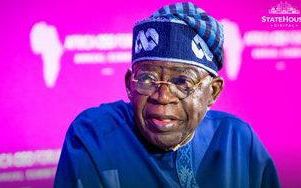
The 2026 Democracy Day protests in Abuja were a demonstration of the Nigerian people's frustration with the Tinubu administration's handling of key issues. According to the protesters, soaring living costs, worsening insecurity, kidnappings, and unemployment had taken a toll on the nation, leading to widespread discontent. The protests, which were attended by Sowore and other activists, including Martins Vincent Otse, also known as VeryDarkMan, and members of the Ratel Movement, underscored the severity of these issues. While the exact number of protesters is unknown, the sheer presence of demonstrators at various locations around Abuja, including Wuse, Unity Fountain, and the Federal Secretariat, was evidence of the widespread dissatisfaction with the administration. The fact that security agencies had to deploy heavily armed personnel, erect roadblocks, and seal off access roads to prevent demonstrators from reaching designated gathering points only added to the sense of urgency and desperation among the protesters.
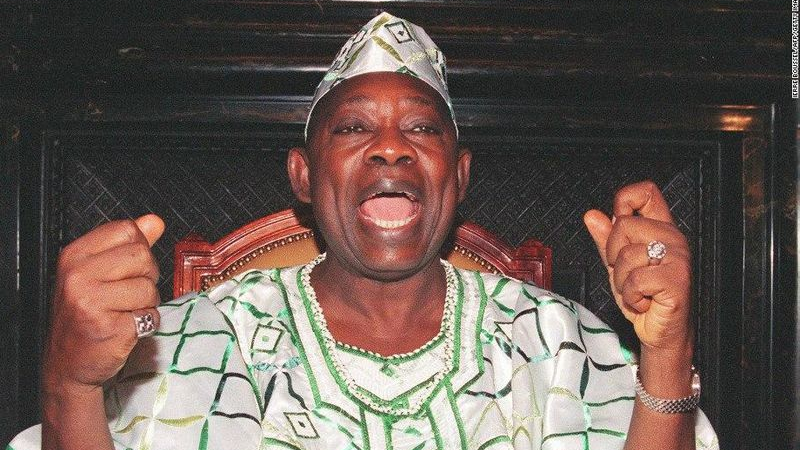
The 2026 Democracy Day protests in Abuja also marked a significant moment in Nigeria's democratic struggle, 33 years after the annulled June 12, 1993 presidential election. The election, which was won by Moshood Abiola, a businessman and politician, was a turning point in Nigeria's democratic history, as it highlighted the nation's commitment to democratic principles. However, the annulment of the election by the military regime of General Ibrahim Babangida plunged the nation into a crisis of confidence, which has yet to be fully resolved. For Sowore and his supporters, the June 12 anniversary is a reminder of the nation's democratic aspirations and the need to hold those in power accountable for their actions.
The 2026 Democracy Day protests in Abuja are part of a broader industry movement in Africa, where citizens are increasingly using protests and resistance to challenge governance failures and demand accountability from their leaders. From Ethiopia to South Africa, protests have become a powerful tool for citizens to express their discontent and push for reforms. In Nigeria, the protests are part of a long tradition of democratic activism, dating back to the June 12 election. As the nation continues to grapple with governance failures, economic hardship, and insecurity, it is likely that protests will become more frequent and more intense, leading to a re-evaluation of the nation's democratic trajectory.
As the dust settles on the 2026 Democracy Day protests in Abuja, it is clear that the nation's democratic journey is far from over. The protests, which were marked by chaos and tension, underscored the severity of the nation's governance failures and the need for urgent action. While the Tinubu administration has yet to respond to the protesters' demands, it is likely that the nation will see a renewed commitment to democratic principles and accountability in the coming months. As Sowore and his supporters continue to push for reforms, it is clear that the nation's democratic struggle is far from over.