News
We are all encouraging video game companies to make nothing but sequels: Reader's Feature
The Sequel-itis Epidemic: Why We're Complicit in the Video Game Industry's Creative Stagnation We often celebrate video game companies for pushing the boundaries of innovation and storytelling.
We often celebrate video game companies for pushing the boundaries of innovation and storytelling. But the recent showcases from Sony, Microsoft, Nintendo, and Summer Games Fest paint a different picture. A reader's candid assessment of the industry's creative stagnation is a wake-up call we'd do well to heed. According to GC, a reader who's been disappointed by the recent showcases, the lack of innovation is more than just a passing trend - it's a symptom of a deeper issue.
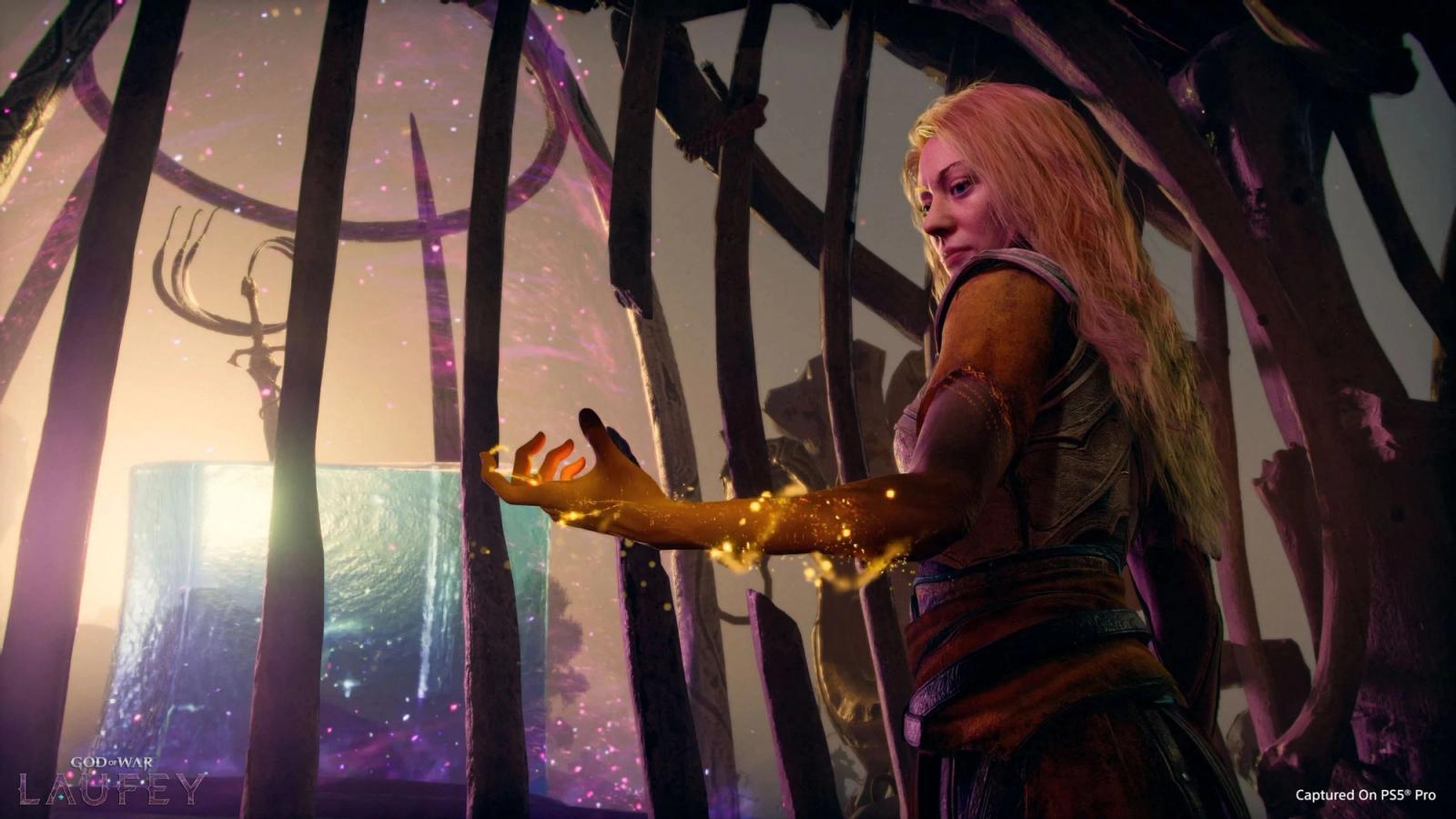
One of the most striking aspects of the recent showcases is the prevalence of sequels and remakes. God of War Laufey, a spin-off, is touted as an exciting new IP, but it's still a God of War game. The new God of War and Wolverine are games that GC knows he'll buy, but they're essentially reskins of other games. GTA 6, one of the most anticipated games ever, is yet another sequel. Where's the innovation? GC asks, "What can developers do that is vastly different/innovative, that will appease everyone?" The truth is, we're eating our own tail. We're so conditioned to crave the familiar that we're willing to settle for the same old formulas, even when they're rehashed and repackaged.
The video game industry's obsession with sequels and remakes isn't unique to gaming. Hollywood is experiencing a similar phenomenon. GC notes that the biggest winners from recent showcases are a Zelda remake from 28 years ago and a Resident Evil from 26 years ago. We're seeing the same trend play out in film, with reboots and sequels dominating the box office. The Running Man, Scream 7, Scrubs reboot, Malcolm in the Middle reboot, and the latest Avatar are all examples of this creative stagnation. We're so starved for new ideas that we're willing to revisit old favorites, even when they're not exactly original.
One potential solution to this creative drought lies in innovation, and the Switch is a prime example of how a console can be used to create something truly unique. GC highlights the Bloober Team CEO's LinkedIn post, where he asked for ideas and feedback from gamers about something a horror game could do only on the Switch and not other formats. The responses were enlightening, with suggestions for using the microphone, changing the game environment in docked mode compared to handheld, and incorporating the game's awareness of the player's surroundings. These innovative ideas are exactly what the industry needs - we just need to start embracing them.
GC is calling on readers to submit their own ideas for new and innovative games or concepts. It's a refreshing approach, one that acknowledges the industry's creative stagnation and invites the community to take an active role in shaping the future of gaming. As we wait for the next big thing, maybe it's time for us to take a step back and think about what we really want from our games. Do we want more of the same, or are we ready to take a chance on something new and exciting? The answer lies with us, the gamers.
The fact that GC's post has sparked such a lively discussion is evidence of the industry's willingness to engage with its audience. However, we're not off the hook yet. We need to keep pushing for innovation, for new ideas, and for a more diverse gaming landscape. GC's readers feature is a call to action, a reminder that we have the power to shape the future of gaming. Let's use that power wisely.
The future of gaming doesn't have to be a rehash of the past. We can choose to be more than just consumers; we can be co-creators, driving the industry forward with our ideas and enthusiasm. As GC so aptly puts it, "what can developers do that is vastly different/innovative, that will appease everyone?" The answer lies with us, and it's time we started taking ownership of that answer.