News
Apple just raised prices: See which devices cost more now
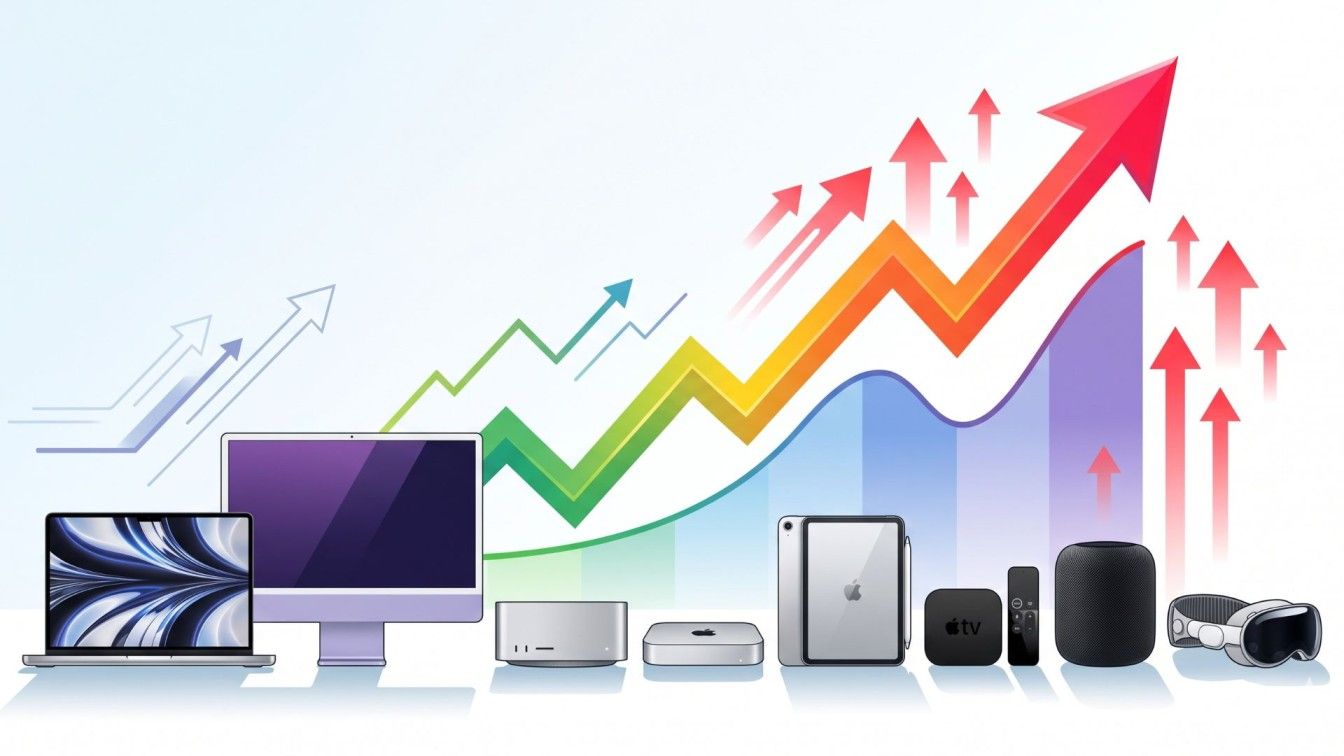
For Nwachukwu Nwobodo, a Nigerian college student, the news of Apple's price hike might seem trivial compared to her daily struggles with Naira inflation, but she's about to face a harsh reality. As she plans to buy a new MacBook Air to complete her university project, she'll have to pay $150 more for the same device she was eyeing a week ago. This unannounced price hike, affecting several Apple devices, has left many consumers like Nwachukwu wondering what hit them and why.
Apple's explanation for the price hike - a global shortage of memory and storage chips driven by the massive demand for AI data centers - might sound like a complex issue, but the impact is simple: consumers are footing the bill. The price increase ranges from $30 to $1,300, with the most affected devices being the Mac lineup, iPad, Apple TV, HomePod, HomePod mini, and Vision Pro. This is not a minor adjustment; it's a significant increase that will affect the bottom line of many Apple enthusiasts.
One would expect that the price hike would be accompanied by a corresponding increase in storage or memory capacity, but that's not the case. Apple has chosen to maintain the same storage and memory configurations while passing on the increased cost to consumers. This begs the question: are Apple customers really getting more for their money? The answer is a resounding no. Consumers are essentially paying more for the same hardware as before.
In a surprising move, Apple has left some of its most popular devices untouched by the price hike. The iPhone, Apple Watch, AirPods, Studio Display, and Apple Pencil are still available at their original prices. This might seem like a strategic move to minimize the backlash, but it's also a reminder that not all Apple devices are created equal. What will be the next affected device?
For those planning to buy Apple devices in the near future, this price hike might be a warning sign to wait it out. However, with the global shortage of memory and storage chips showing no signs of abating, it's unclear how long Apple will maintain its current pricing. Nwachukwu, the Nigerian college student, might want to consider delaying her purchase or exploring alternative options that won't break the bank.
While the immediate impact of Apple's price hike might seem negligible, it has far-reaching consequences for the tech industry as a whole. As consumers become increasingly price-sensitive, manufacturers will be forced to adapt to the changing market landscape. Will Apple's competitors follow suit, or will they capitalize on the price hike to gain market share?
In the end, Nwachukwu and millions of Apple enthusiasts like her are left to wonder what the future holds for their favorite devices. Will prices return to normal, or will the market continue to shift in favor of consumers?