Movies
Avatar: Seven Havens trailer combines bending power with Mad Max vibes
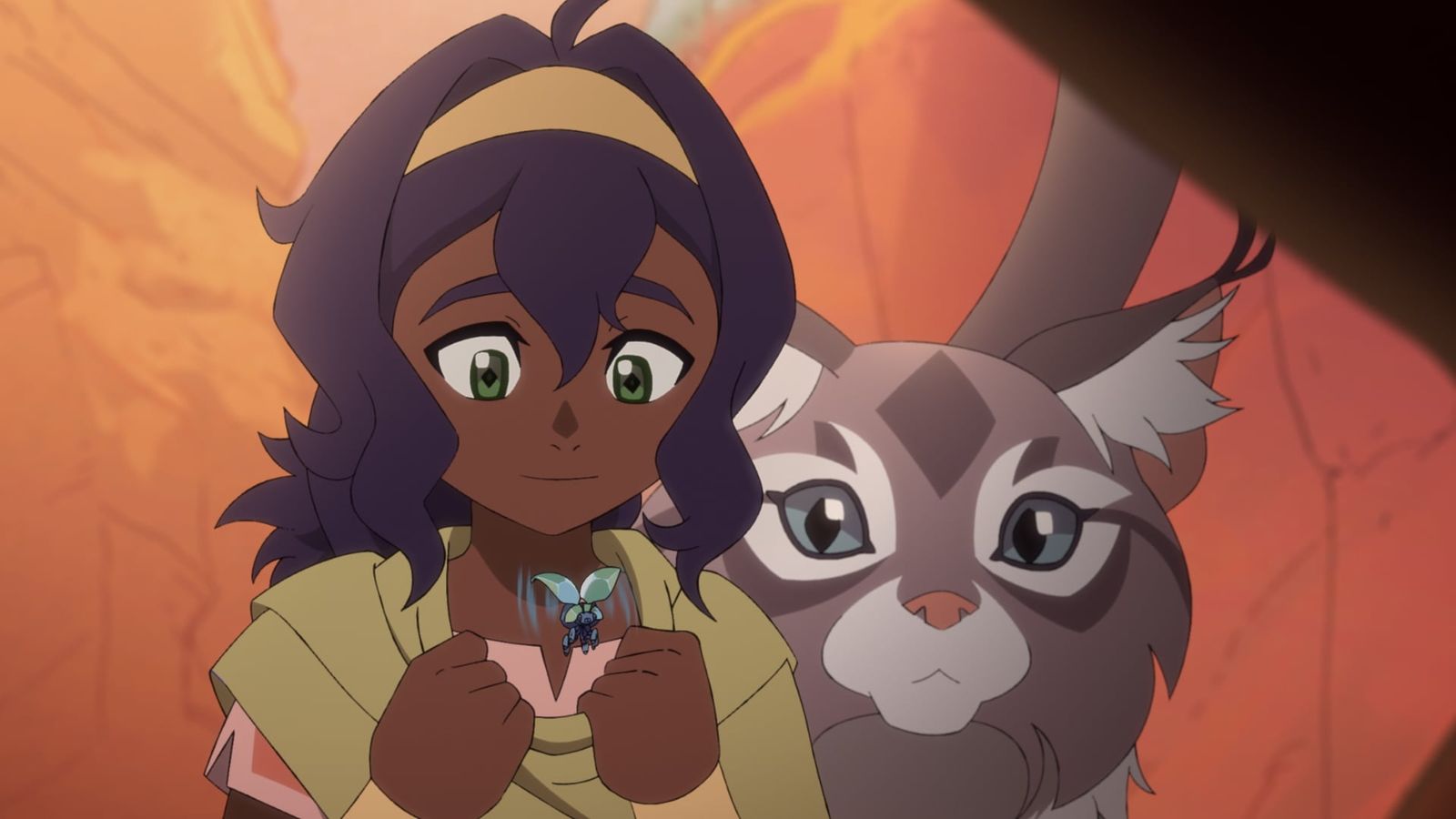
The new Avatar: Seven Havens trailer reveals a world that has been shattered by a cataclysm, leaving humanity to cling to fortified havens while the very fabric that once separated spirit and physical realms frays. The stakes are personal for Pavi, the young Avatar voiced by Saheli Khan, who must navigate a society that blames her for the destruction attributed to Korra. Her journey is not solitary; she is accompanied by an airbending mentor Jae (Major Curda), a long‑lost twin sister Nisha (Aishu Devan), and a loyal cat‑monkey companion Geet (Dee Bradley Baker). For Pavi, the pressure is immense: she must clear Korra’s name and restore balance in a world that has already turned its back on the Avatar.
The trailer shows the Haven of Ellora as a sprawling, post‑Apocalyptic metropolis that blends the architectural styles of the original Four Nations. Unlike the earlier series, the Havens are not anchored to a single bending culture; they are a melting pot of surviving benders from all corners of the world. This shift signals a move from the rigid, nation‑centric storytelling of the past to a more fluid, inclusive narrative that mirrors the increasingly globalized nature of contemporary media. In a world where borders have collapsed, the Havens become a microcosm of cultural hybridity, a theme that resonates with audiences who have grown accustomed to cross‑cultural collaborations in film and television.
The visual tone of the trailer is unmistakably gritty. Desert storms batter the streets, and vehicles are engineered to survive a post‑apocalyptic landscape. This aesthetic is a deliberate nod to the Mad Max franchise, a choice that broadens the series’ appeal beyond die‑hard Avatar fans. The blending of high‑concept world‑building with familiar dystopian tropes suggests that the creators are aiming to attract a younger, genre‑agnostic audience that thrives on high‑energy, action‑packed storytelling. The decision to fuse these elements is not merely stylistic; it reflects a broader industry trend where established franchises are reimagined through the lens of contemporary cinematic styles to stay relevant.
Pavi’s narrative arc is anchored in her quest to untangle her own identity and her sister’s hidden past. The presence of Nishaa twin she has never metintroduces an emotional layer that goes beyond the typical hero’s journey. The dynamic between Pavi, Jae, and Nisha offers a chance to explore themes of family, trust, and redemption in a world that has lost its faith in the Avatar. For the audience, this human element provides a counterbalance to the sprawling, high‑concept world-building, ensuring that the story remains grounded in relatable emotions.
The release of Avatar: Seven Havens on Paramount+ on October 9th comes at a time when streaming platforms are vying for exclusive, high‑profile content. By combining the beloved Avatar mythology with a fresh, dystopian aesthetic, the series positions itself as a flagship title that can draw subscribers from both the traditional fanbase and newcomers attracted by the Mad Max vibe. This strategy mirrors the recent surge in reboots and reimaginings that aim to bridge generational gaps, a trend that has proven successful for other franchises in the streaming era.
Given the trailer’s emphasis on a redefined world and a protagonist who must confront a legacy of blame, I predict that Avatar: Seven Havens will launch with strong viewership numbers, especially among younger demographics who are accustomed to hybrid genres. The series is likely to spark discussions on how legacy characters are reinterpreted in modern narratives, potentially leading to a broader conversation about cultural continuity and change in media.
As the premiere approaches, the world of Avatar is set to expand beyond its original borders, inviting viewers to witness a new chapter where the old and the new collide in a blaze of color, conflict, and hope.