Movies
Review: 'Marvel's Wolverine' is gleefully bloody fun and will leave you emotionally bleeding too
The blood‑slicked streets of Marvel’s Wolverine aren’t just a backdrop for a video‑game spectacle; they’re a mirror for the real‑world fight against prejudice.
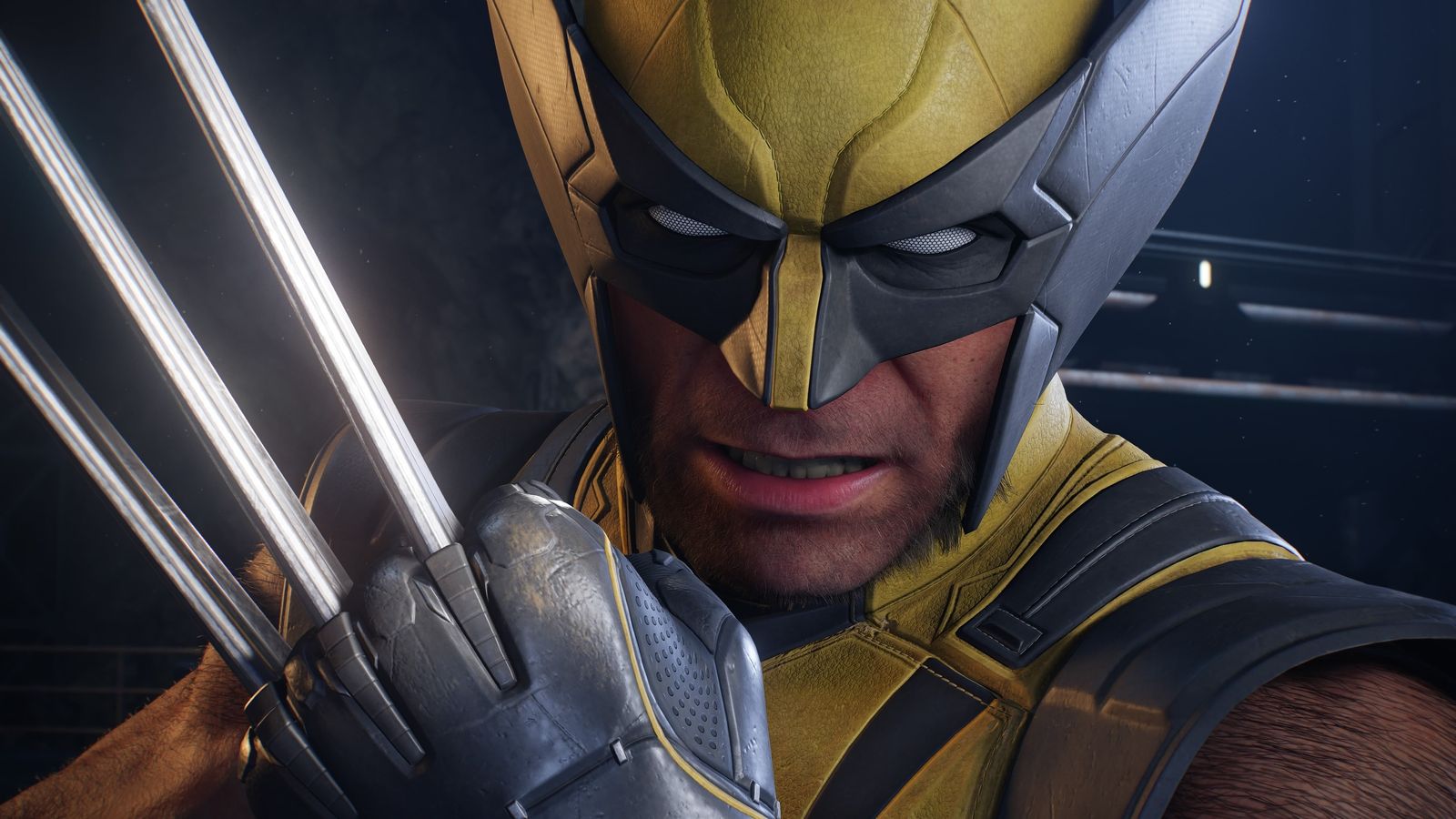
The blood‑slicked streets of Marvel’s Wolverine aren’t just a backdrop for a video‑game spectacle; they’re a mirror for the real‑world fight against prejudice. When Nathaniel Essex and Walter Langkowski lead a rag‑tag Team X across Canada, Japan, and a fictional Southeast Asian hotspot, they’re not just chasing villainsthey’re carving a space where mutants can live unscathed by fear. For gamers who crave a narrative that mirrors the real‑world struggle against discrimination, this title delivers a visceral, emotionally resonant experience.
Insomniac’s decision to sidestep the usual X‑Men heavyweights and instead spotlight lesser‑known figures like Mister Sinister and Sasquatch is a bold narrative gamble. By doing so, the game sidesteps the stale “X‑Men” trope and injects a fresh identity into the Wolverine mythos. The familiar faces of Jean Grey, Mystique, Sabretooth, and Bolivar Trask provide a touchstone for fans, but the core team feels like a new generation of mutants fighting for survival. This shift mirrors a broader trend in African media where emerging talents are reshaping legacy narrativesthink Nollywood’s rise from B‑movies to globally respected storytelling.
At first glance, the combat feels one‑dimensional, a simple “claw‑slashing” mechanic that could have been a missed opportunity. Yet, as the game progresses, the combat deepens, offering players more strategic options and a sense of genuine agency. The initial bluntness reflects Wolverine’s raw, unfiltered nature; the later complexity mirrors the character’s internal growth. This evolution is a reminder that even the most ferocious heroes need to learn nuancea lesson that resonates with creators in the UK, US, and Canada who are pushing boundaries in their own industries.
The game tackles genocide, betrayal, and trauma with a seriousness that feels earned. Each member of Team X carries a personal demon, and the narrative allows players to connect with those struggles on an emotional level. The cinematic globetrotting journeyspanning Canada, Japan, and Madripoorprovides a backdrop that feels both expansive and intimate. The art design shines, offering a fresh change of pace from the familiar New York streets of Spider‑Man. For creators in Nigeria and across Africa, this is a reminder that stories can be both globally resonant and locally grounded.
Everyone’s praising the game for its “bloody fun” and cinematic storytelling, but let’s be honest: the real triumph is how it reframes a classic hero for a new generation. By placing Wolverine in a world where mutants fight for acceptance, Insomniac turns a superhero game into a commentary on social justice. This is the kind of narrative shift that could inspire African developers to reimagine local legendsthink the resurgence of Yoruba folklore in contemporary cinema.
I’m confident that Marvel’s Wolverine will spark a wave of games that prioritize diverse, underrepresented casts while maintaining high production values. In the next two years, we’ll see more titles that blend action with deep social themes, especially from creators in the US, UK, and Canada who are eager to push the envelope.
The game’s success proves that when you combine visceral combat with a narrative that speaks to real‑world struggles, you create more than entertainmentyou create a cultural touchstone.