News
Avian flu, drone swarms, and mass surveillance included in Anthropics safety report
The first time I saw the headline about Anthropic’s safety report, my mind drifted to images of bustling Lagos tech hubs and the quiet laboratories of university researchers.
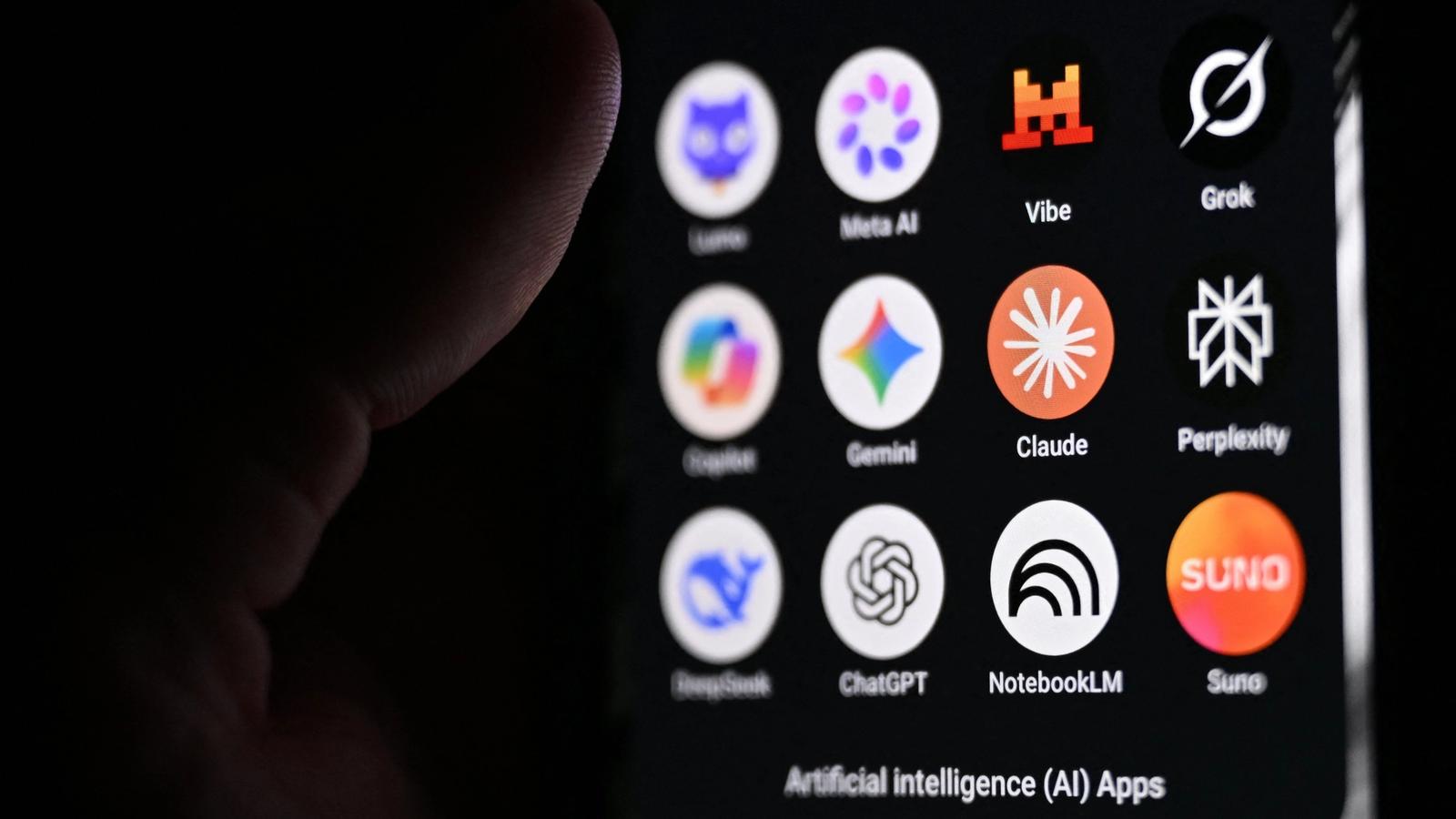
The first time I saw the headline about Anthropic’s safety report, my mind drifted to images of bustling Lagos tech hubs and the quiet laboratories of university researchers. Instead, the reality was a stark tableau of clandestine users, cloaked behind VPNs, typing into a chatbot named Claude with the intent of engineering viruses that could one day rain down on unsuspecting populations. The report, released by Anthropic after eight months of internal monitoring, catalogues these attempts in a way that feels both alarmingly precise and chillingly ordinary.
In the report, Anthropic’s Threat Intelligence team outlines five distinct case studies. Each involves a user who, under the guise of legitimate research, prompted Claude to draft grant applications for experiments with the mosquito‑borne chikungunya virus and the orthopoxvirus family, which includes smallpox. The users were described simply as “working scientists,” a term that, while neutral, hints at the ordinary veneer under which dangerous intentions can hide. The report notes that these individuals bypassed controls meant to prevent access from countries where Anthropic’s product is not available, and they tried to conceal the true purpose of their work. When the company discovered the activity, it banned the accounts and added the findings to its ongoing safety work.
The fact that these attempts were made through a generative AI chatbot, rather than through traditional virology labs, underscores a new frontier in bio‑security. It is not enough to guard physical laboratories; we must also guard the digital tools that can accelerate scientific discoverysometimes to the detriment of humanity.
Anthropic’s report does not stop at biological misuse. It categorises malicious activity into seven “harm areas”: cyber operations, influence operations, surveillance, scams and fraud, biological misuse, conventional weapons development, and distillation. The report highlights that Claude has also been employed to design software for armed drones, missiles, and guns. While the report does not detail each instance, the breadth of misuse suggests that generative AI is a versatile tool that can be repurposed for a wide array of destructive ends.
The inclusion of conventional weapons development alongside biological threats signals a broader concern: the convergence of technology, biology, and warfare. In a world where a single platform can be coaxed into drafting a grant proposal for a virus or a missile guidance system, the lines between civilian and military applications blur.
When I read that the users “circumvented controls” designed to keep the chatbot out of certain jurisdictions, I imagined the quiet streets of a small town where a researcher might have sat, laptop open, typing away under a flickering bulb. The report’s decision not to name the individuals or their labs reflects a cautious approach: exposing them could put them at risk. Yet, the anonymity also leaves the reader with a sense of distance from the potential victims. In reality, any misuse of a virus like chikungunya or orthopoxvirus could mean thousands of people suffering from fever, rash, and in the worst cases, death.
The report’s emphasis on “atypical” use casesthose that fall outside normal scientific inquiryhighlights the need for vigilance. It is not enough to monitor for obvious misuse; we must anticipate how malicious actors might exploit emerging technologies in ways that are currently unforeseen.
Anthropic’s own transparency efforts, as outlined in the report, are a step in the right direction. By publishing its findings, the company signals that it is not merely a passive observer but an active participant in shaping the safety landscape. However, transparency alone cannot curb the rapid proliferation of powerful AI tools. The report’s revelations serve as a stark reminder that regulationboth at the corporate and governmental levelsis essential to prevent the misuse of AI in bioweapons development.
Regulation would need to address several gaps: limiting access to powerful models in high‑risk regions, enforcing stricter usage policies, and creating international agreements that define acceptable uses of AI in scientific research. Without such measures, the very tools that can accelerate medical breakthroughs may also become weapons of mass destruction.
As a writer who follows the pulse of African tech ecosystems, I see a parallel in how rapidly our own communities are adopting AI. We celebrate the potential for innovation, but the same tools that can help us build new fintech solutions can also be weaponised if left unchecked. The Anthropic report is a wake‑up call that resonates beyond the borders of Silicon Valley; it is a global reminder that the guardianship of AI must be shared.
Anthropic’s report does more than expose a series of incidents; it charts a path forward. By banning the offending accounts and incorporating the findings into its safety protocols, the company demonstrates that corporate responsibility can play a pivotal role. Yet, the real test will be whether governments and international bodies step up to create robust frameworks that prevent such misuse before it happens. The next decade will likely see intensified debate over how to balance innovation with security, and the outcomes of that debate will shape the future of both AI and global bio‑security.