News
Dragons' Den entrepreneur speechless after Deborah Meaden 'makes worst negotiating decision ever'
Deborah Meaden, a pillar of the Dragons’ Den empire, has just admitted to making the most disastrous trade‑off of her career.
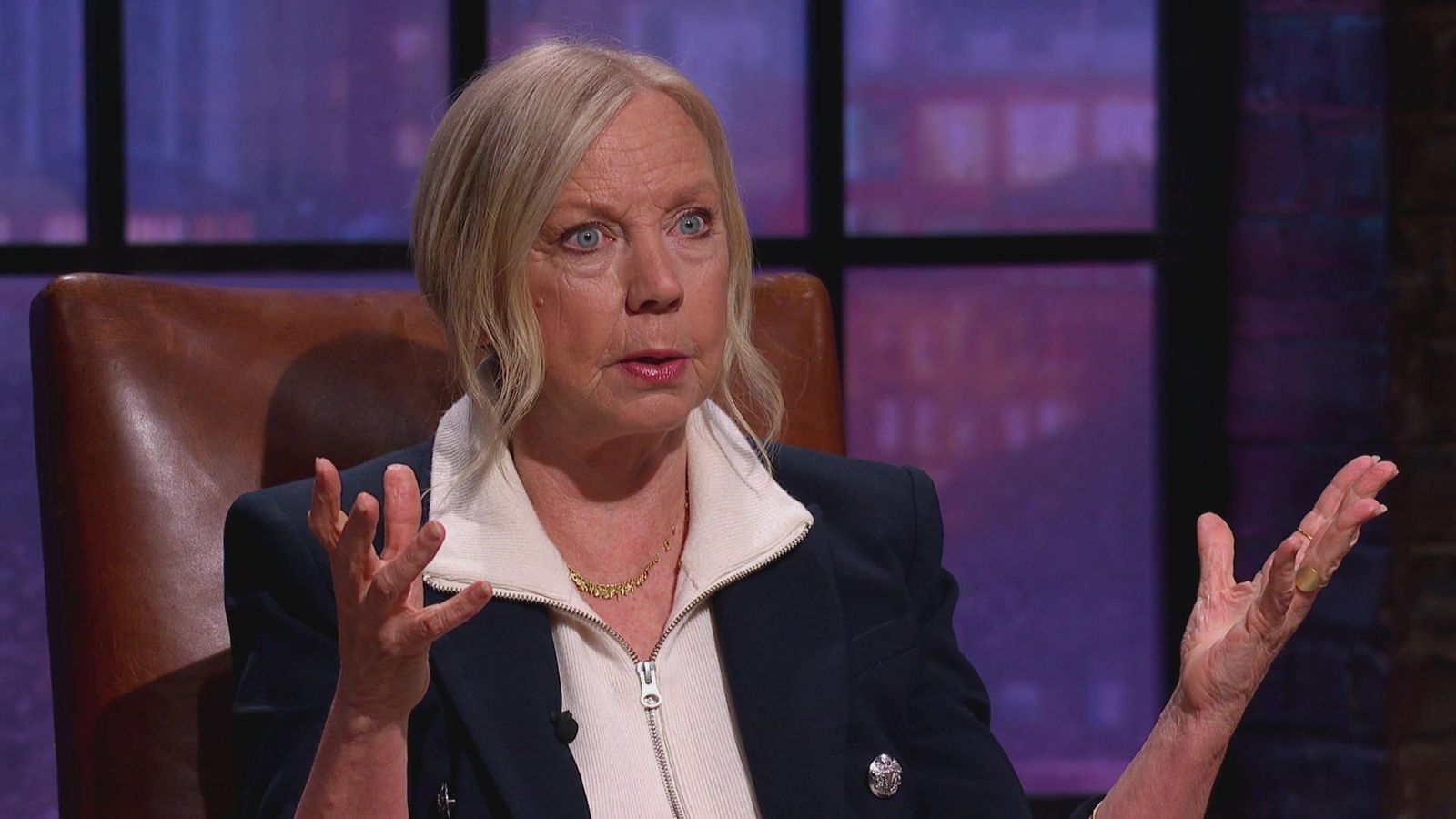
Deborah Meaden, a pillar of the Dragons’ Den empire, has just admitted to making the most disastrous trade‑off of her career. When the ethical fashion startup Yes Friends entered the den, she doubled the £10 000 ask to £20 000 for a mere 2 % stake. The move stunned investors, but it also exposed a deeper flaw in how even seasoned deal‑makers treat sustainability pitches.
Sam, the founder of Yes Friends, launched the brand in 2021 with a single £7.99 T‑shirt that sold 4,000 units in its first month. He claims the company disproved the myth that ethical clothing must be pricey. “The majority of brands aren’t paying living wages,” he told the panel, citing the Global Living Wage Coalition as evidence. His passion was palpable, and the product quality was clear. Deborah’s initial reaction was one of admiration: “I love absolutely everything that you do,” she said, promising her audience and resources.
The pitch, however, was not just about numbers. It was about a mission to make ethical apparel affordable and to transform the fashion industry. Sam’s business model challenged the status quo: factories that claim fair wages often fall short of the living wage benchmark. In a world where fast fashion dominates, his approach was a breath of fresh air.
Deborah’s decision to double the investment is a paradox. On one hand, she recognized that her brand could amplify Sam’s reach; on the other, she surrendered a significant equity stake for a relatively modest sum. In the Den, where deals are usually negotiated to preserve a Dragon’s long‑term ownership, this move is uncharacteristic. “It’s like the worst negotiating stance a Dragon could possibly take,” she later confessed, admitting she had never been so open before.
The underlying tension lies in the value of a mission versus the value of a share. By offering £20 000 for 2 %, the deal implied a valuation of £1 000 000an unrealistic figure for a fledgling brand. Yet the Dragon’s willingness to double the money suggests a willingness to sacrifice equity for the promise of social impact. This is a slippery slope: if every Dragon follows this path, the very structure that protects investors could erode.
Conventional wisdom dictates that a Dragon must negotiate for maximum equity, especially when the startup’s valuation is uncertain. Deborah’s choice flips that rule. It raises a question: does the Den’s mission to foster entrepreneurship mean that the dragons should sometimes act as philanthropists rather than investors?
The answer may lie in the current climate of consumer activism. Ethical fashion has surged, and brands that can prove their sustainability credentials are gaining loyal follow‑ups. By investing more, Deborah positions herself as a champion of ethical business, potentially attracting a new audience that values purpose over profit. The long‑term payoff could be higher brand equity and a stronger market position, even if the immediate equity share is small.
I predict that within the next 12 months, more Dragons will adopt a “mission‑first” approach. We will see increased funding for startups that demonstrate measurable social impact, even if the financial upside is modest. The Den will evolve from a pure venture capital showcase to a platform for socially responsible entrepreneurship. This shift will pressure other investors outside the show to rethink their own metrics.
At its core, the debate isn’t about numbers; it’s about people. Sam’s model promises living wages for factory workersa tangible benefit that resonates with consumers. Deborah’s investment could accelerate that impact, ensuring that the money actually reaches those it is meant to help. If the deal goes through, we could see a new standard where ethical commitments are built into investment terms, not just marketing slogans.
Deborah Meaden’s “worst negotiating decision ever” is a paradox that may herald a new era for the Dragons’ Den. By choosing purpose over pure profit, she challenges the status quo and could reshape how we define success in the creator economy. Whether this bold move pays off remains to be seen, but one thing is clear: the Den is no longer just a stage for dealsit’s becoming a stage for change.