News
BN Prose: This Administration Will Favour Me and Family (II) by Toyosi Onikosi
This Administration Will Favour Me and Family: A Hollow Promise In the cramped compound where Pere and Seiyefa live with their mother, the weight of their dreams is palpable.
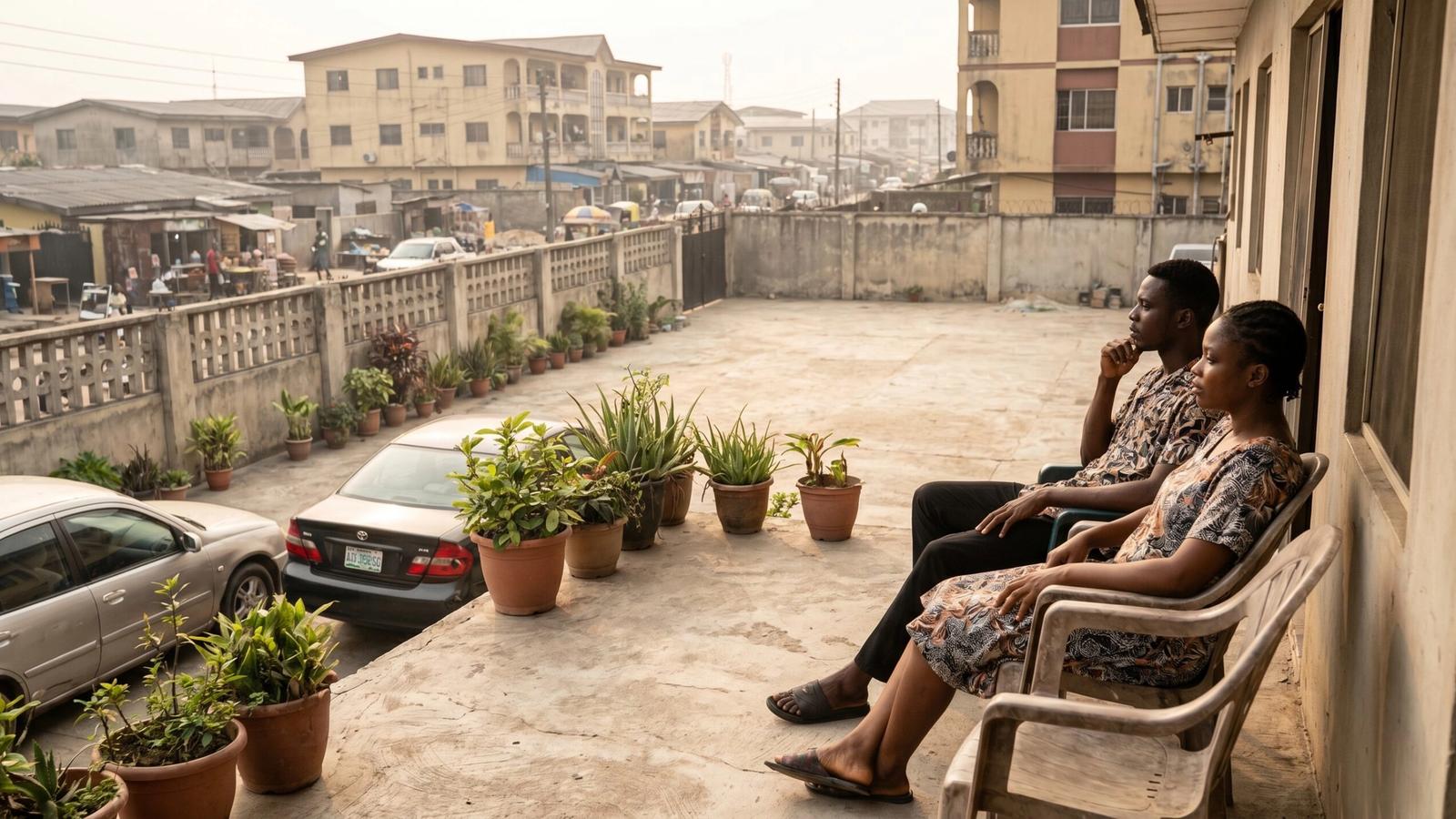
This Administration Will Favour Me and Family: A Hollow Promise
In the cramped compound where Pere and Seiyefa live with their mother, the weight of their dreams is palpable. For Pere, the promise of this administration is all about securing a better future, but as he stares at the cracked walls and thin soup, the reality hits him - his words are empty. His brother Preye, who has made it to America through sheer determination, now packs boxes in a warehouse, praying that he won't be deported. Meanwhile, their cousin Ebimini, in the UK, has finally secured residency. As Pere and Seiyefa's conversation reveals, the notion that this administration will favour them is a joke, a proverb that doesn't ring true. In this piece, Toyosi Onikosi expertly weaves a narrative that exposes the hollowness of such promises and the dire circumstances faced by many Nigerians.
Pere's story is a stark reminder of the unfulfilled promises of a better life. He has grown up with the expectation that their names hold meaning, that Pere's name - wealth - will bring prosperity, and Seiyefa's name - nothing is impossible - will usher in endless possibilities. But the reality is far from it. They live in a compound that is struggling to make ends meet, and the promise of a better life seems like a distant dream. When Pere says that this administration will favour him and his family, he sounds like a man who is desperate to believe in something, anything, that will take his family out of this poverty-stricken existence.
But what about Preye, who has made it to America through sheer determination? His story is evidence of the harsh realities of migration. Despite having a petroleum engineering degree and a master's in business, he finds himself packing boxes in a warehouse, living in constant fear of being deported. His mother is sick, and he can't even come home to be with her until his papers are settled. This is the harsh reality of migration, where even those with qualifications and degrees are forced to toil in menial jobs, praying that they won't be sent back to a country that is struggling to provide for them.
Seiyefa's words are like a knife to Pere's heart - "Between both of you, who is really better off?" she asks. The question hangs in the air, a stark reminder that Pere's privileged existence is not as secure as he thinks it is. In a world where the lines between poverty and privilege are increasingly blurred, Seiyefa's question cuts to the heart of the matter - who is really better off, Pere with his broken promises of a better life or Preye who is struggling to make ends meet in a foreign land?
As Pere and Seiyefa's conversation reveals, the desperation of a broken system is palpable. They are just trying to survive, to make ends meet, but the system is stacked against them. Their cousin Ebimini, who has finally secured residency in the UK, is a rare exception, a reminder that the odds are against them. In a world where the system is broken, where the promises of a better life are hollow, Pere and Seiyefa's conversation is a stark reminder of the dire circumstances faced by many Nigerians.
As the article closes, the future looks bleak. Pere's promises of a better life are nothing but a joke, a proverb that doesn't ring true. Preye's story is evidence of the harsh realities of migration, and Seiyefa's words are a stark reminder that the lines between poverty and privilege are increasingly blurred. In a world where the system is broken, where the promises of a better life are hollow, the future looks bleak for many Nigerians.
More stories you'll like

News
Harry Styles pays tribute to David Hockney and reflects on One Direction days as he kicks off record-breaking Wembley run

News
Ridiculously underrated thriller has Netflix chart in a chokehold after four weeks

News