Comedy
Comedian lets rip at Andi Peters for 'on brand' reaction to Miriam Margolyes' racist slur
Andi Peters, 56, was on live television when Miriam Margolyes, 85, called him a “high yellah,” a derogatory term for a light‑skinned Black person.
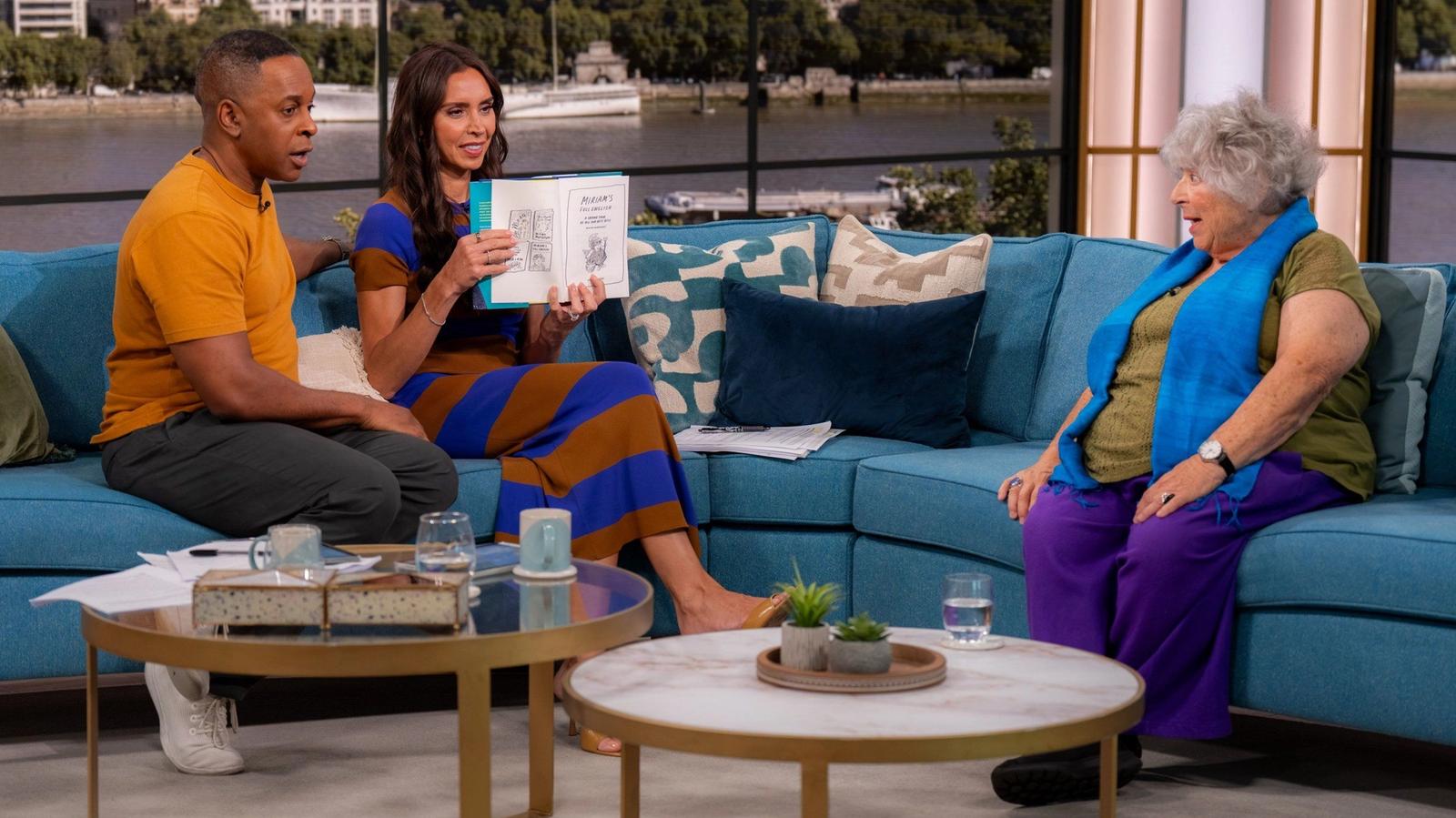
Andi Peters, 56, was on live television when Miriam Margolyes, 85, called him a “high yellah,” a derogatory term for a light‑skinned Black person. The comment landed on ITV’s This Morning, but the network quickly pulled the clip from its streaming platform, ITVX. The clip soon spread across social media, igniting a firestorm. Comedian Gina Yashere, 52, seized the moment to launch a blistering critique of Peters, accusing him of not owning his Black identity and of reacting “on brand” to the slur. The exchange has put Peters’ public persona and his relationship with the broader Black community under scrutiny.
During the interview, Margolyes casually questioned Peters’ skin colour, a move many viewers perceived as a racially charged jab. Peters’ response was restrained; he did not confront the comment head‑on, instead offering a brief apology and a comment about being ready for “anything.” The clip’s removal by ITV did little to quell the backlash. Social media users flooded the platform with screenshots, memes, and calls for accountability. The incident highlighted how a single on‑air moment can quickly become a cultural touchstone in the age of instant sharing.
Yashere’s criticism was swift and unflinching. In an Instagram video, she called Peters’ reaction “on brand” for a presenter who, according to her, “doesn’t seem to know he’s Black for at least the last 35 years.” She further argued that Peters failed to celebrate his Blackness in a high‑pressure environment. Yashere’s remarks extended beyond the incident, touching on broader questions of identity: “How do Black people feel? How do Brown people feel? How do cripples feel? How do fat people feel?” The inclusion of an offensive term for disabled people underscored the volatility of the discussion and the potential for missteps in public discourse about race and identity.
ITV’s decision to delete the clip from its streaming service was a reactive move, not a proactive stance. No formal statement has yet been issued, leaving a vacuum that the network’s audience is filling with speculation. This lack of transparency is problematic for a broadcaster that prides itself on diversity and inclusion. In an industry where audiences increasingly demand accountability, ITV’s silence risks alienating a growing segment of viewers who expect clear, decisive action against racism.
This incident is not isolated; it sits within a larger wave of scrutiny over how Black figures are treated on British television. From The Big Breakfast to BBC’s Breakfast, Black presenters have repeatedly reported feeling marginalized or underrepresented. The current episode, involving a veteran actor like Margolyes and a mainstream presenter like Peters, amplifies the conversation around privilege, allyship, and the responsibilities of media figures. It also underscores the fragility of “colorblind” narratives that ignore the lived experiences of Black audiences. As the UK continues to grapple with its colonial legacy, moments like this force a reckoning: media outlets must move beyond token gestures and confront systemic biases head‑on.
Given the intensity of the backlash and the absence of a clear corporate response, I predict ITV will issue a formal statement within the next 48 hours. The network will likely apologise for the lapse in judgment, reaffirm its commitment to diversity, and outline concrete steps to prevent similar incidents. However, the statement will probably avoid addressing the specifics of Margolyes’ comment or Yashere’s critique, focusing instead on broader policy changes. If ITV fails to do so, the incident could spark a boycott of its programmes by Black audiences and advocacy groups, potentially impacting viewership and advertising revenue.
The fallout from this episode will reverberate beyond the immediate parties. For Andi Peters, it forces a reevaluation of his public identity and his role as a Black presenter in a predominantly white industry. For Gina Yashere, it reaffirms her position as a vocal critic of racial insensitivity, but also highlights the fine line comedians walk when addressing sensitive topics. For ITV, it is a stark reminder that in the digital age, a single moment can ignite a movement, and silence is no longer an acceptable response.