Politics
Delphic Council, WISCAR Rally Stakeholders Behind Women's Creative Leadership
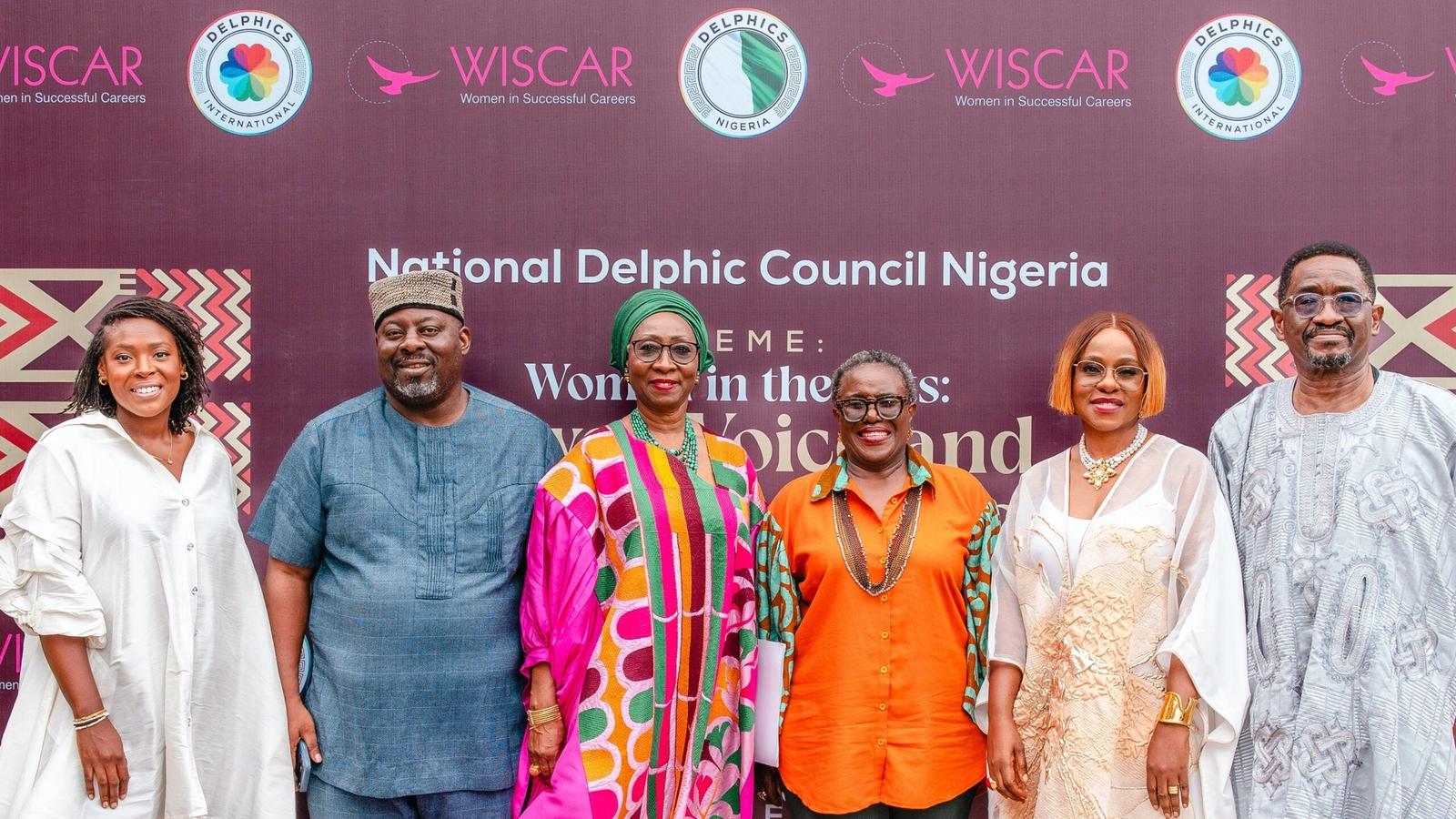
Amina Oyagbola, President of the National Delphic Council Nigeria and Founder of Women in Successful Careers (WISCAR), has long been a vocal advocate for women's empowerment in the creative industry. Her latest call to action, however, resonates louder than ever, as Nigeria strives to unlock its full economic potential through creative entrepreneurship. Oyagbola's message is clear: without deliberate support for women, Nigeria's creative economy will remain hindered, unable to reach its full potential.
Nigeria's creative sector is a significant contributor to the country's GDP, with Nollywood recognised as the second-largest film industry in the world by output, producing over 2,500 films annually. The National Bureau of Statistics also classifies motion picture, sound recording, music production, broadcasting, arts, entertainment and recreation as measurable contributors to national output. However, despite this growth, women continue to face barriers to funding, leadership, and market access. Oyagbola warns that Nigeria cannot build a globally competitive creative economy while women remain under-supported, highlighting the economic imperative of investing in women in the arts. When women are empowered, they drive livelihoods, strengthen industries, preserve culture, and ensure the future competitiveness of Nigeria's creative economy.
Nigeria's efforts to position its creative and tourism sectors as major drivers of economic diversification are well underway. The Federal Government's 2025 roadmap aims to target $100 billion in GDP contribution by 2030 and create over three million jobs across the creative economy and tourism sectors. However, Oyagbola's message serves as a reminder that women's participation in the creative economy is crucial to achieving these targets. Women are driving culture, storytelling, enterprise, and innovation in Nigeria, but their contribution must be matched with deliberate support systems. Oyagbola's speech specifically framed the arts as instruments for economic growth, cultural preservation, and social mobility.
The National Delphic Council Nigeria and WISCAR's convening, Women in the Arts: Power, Voice and Economic Impact, brought together leading voices across film, theatre, visual arts, cultural enterprise, public policy, and development to examine how women are shaping Nigeria's creative sector. The conversation highlighted the need for financing, mentorship, infrastructure, policy inclusion, and access to platforms that connect women to wider markets. Oyagbola's call to action is clear: Nigeria must invest in women's creative leadership to unlock the full economic potential of its creative economy.
As Nigeria intensifies its efforts to position its creative and tourism sectors as major drivers of economic diversification, Oyagbola's message serves as a timely reminder that women's participation is crucial to achieving these targets. With deliberate support systems in place, Nigeria can unlock the full economic potential of its creative economy, driving growth, innovation, and social mobility. I predict that Oyagbola's call to action will resonate across the creative industry, driving a shift in support systems that prioritise women's leadership and participation. By investing in women in the arts, Nigeria will not only unlock its creative potential but also drive economic growth, cultural preservation, and social mobility.
As Nigeria works to position its creative and tourism sectors as major drivers of economic diversification, the conversation around women's leadership in the creative economy will continue to grow. With Oyagbola's message at the forefront, I believe that Nigeria is poised to unlock a brighter future for women in its creative economy, driving growth, innovation, and social mobility.