Movies
Nigeria's Creative Economy Is Booming: Its Infrastructure Isn't Keeping Up- Meet the Hub Trying to Close the Gap
The Creative Hub That's Trying to Bridge the Gap In the midst of Nigeria's thriving creative industries, a quieter narrative unfolds.

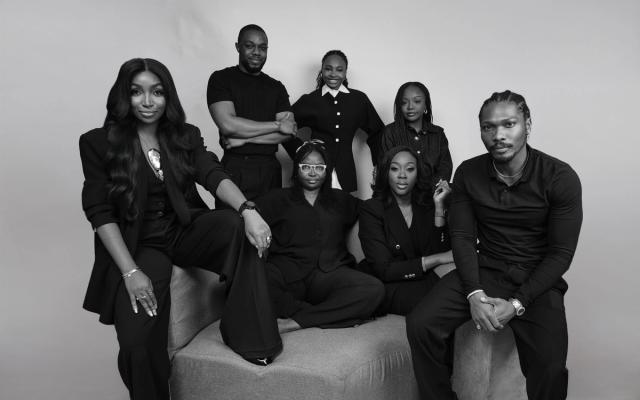
In the midst of Nigeria's thriving creative industries, a quieter narrative unfolds. While Afrobeats dominates global charts and Nollywood secures Netflix deals, the people behind these successes face a different reality. They struggle with power outages during recording sessions, impossible budgets, and talented individuals spending more time solving logistical problems than developing their craft. Shola Bamidele, founder of Loom Rooms, a creative hub in Egbeda, Lagos, has dedicated his work to bridging this gap.
Loom Rooms, situated in the densely populated Alimosho area, has been a deliberate choice by Bamidele. He rejects the notion that creative excellence is exclusive to fashionable Lagos neighbourhoods like Lekki or Yaba. In fact, some of Nigeria's most gifted creatives live in communities like Alimosho. The hub's philosophy revolves around the benefits of creatives sharing physical space, fostering collaborations and knowledge exchange. By opening in Egbeda, Bamidele aims to democratize access to opportunities, making it accessible to creatives from all backgrounds.
When creatives share physical space, magic happens. A producer may bump into a filmmaker, leading to a groundbreaking collaboration. A fashion designer might meet a photographer who transforms their brand. This is precisely what Loom Rooms seeks to facilitate. By providing a platform for creatives to interact and learn from one another, the hub aims to address the systemic issues hindering Nigeria's creative economy. Bamidele's vision is clear: talent is not the problem, access is. And in Nigeria's creative scene, access often relies on private networks rather than public knowledge.
Nigeria's creative industries have made significant strides globally, but this success story masks a more complex reality. The country's creative economy is booming, with Afrobeats and Nollywood leading the charge. However, the infrastructure supporting these industries is woefully inadequate. Power outages, limited funding, and a lack of access to development resources plague creatives. Loom Rooms is not a solution to these problems, but a symptom of a larger issue. The hub's existence highlights the need for a more inclusive and supportive creative economy, one that recognizes the value of talent from all backgrounds.
As Loom Rooms continues to grow, it will serve as a model for other creative hubs across the country. By democratizing access to opportunities and fostering a sense of community, Nigeria's creative economy can become more inclusive and sustainable. I predict that in the next five years, we will see a significant increase in the number of creative hubs like Loom Rooms, addressing the systemic issues hindering Nigeria's creative industries. This will not only boost the country's creative economy but also provide a platform for talented individuals to thrive.
In the end, Loom Rooms is more than just a creative hub, it's a beacon of hope for Nigeria's creative economy. By bridging the gap between talent and access, the hub is poised to play a crucial role in shaping the country's creative future.
More stories you'll like

Movies
"I Want to Build the Next Generation of Female Filmmakers": Funke Akindele on Nollywood, Box Office Records & More
Movies
Lateef Adedimeji, Linda Ejiofor-Suleiman Lead New Nollywood Movie Targeting Guiness World Record

Movies