News
Digital Payment Shifts in West Africa: Visa Shares Key Trends Shaping the Future of Commerce
The Quiet Revolution in Digital Payments In 2016, Nigeria was still grappling with the basics of digital payments.
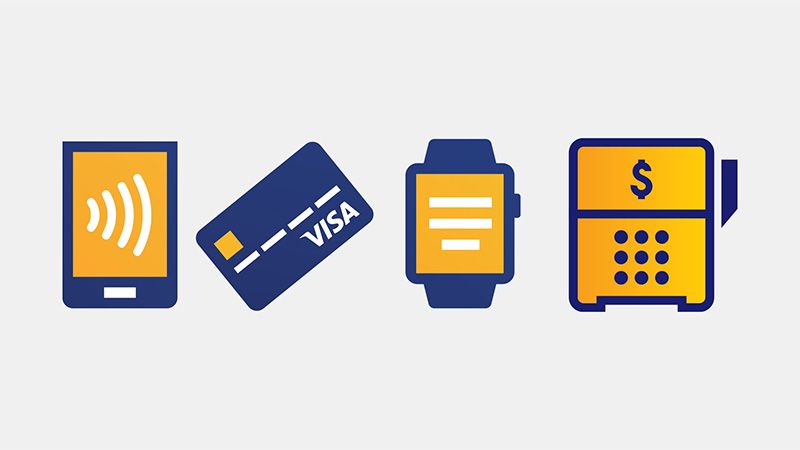
In 2016, Nigeria was still grappling with the basics of digital payments. But fast forward a decade, and the country is at the forefront of a seismic shift in the way West Africans do commerce. The region is rapidly transitioning from cash to digital, with consumers increasingly embracing card-based transactions, AI-powered commerce, and seamless cross-border solutions. This transformation has been facilitated by global payment networks like Visa, which have helped scale secure, seamless connections across markets.
Creating opportunities wherever they take root has long been the mantra of companies like Visa. By doing so, they empower small businesses, enable cross-border connections, and create new opportunities for growth. In West Africa, this approach has yielded significant results. The decline in cash usage over the past five years has been structural rather than cyclical, with digital adoption reaching segments of the population that were previously untouched by formal financial services.
Artificial intelligence is transforming the way people experience commerce in West Africa. AI agents can now handle purchases on behalf of consumers, guided by their preferences and guardrails. This means that everyday users in Nigeria and across the region can manage complex tasks with ease, like booking an affordable flight within a set budget using a preferred airline. Advanced AI-powered risk models continuously learn to spot suspicious patterns before transactions are completed, ensuring greater security and convenience.
As digital payments grow, security remains foundational. Biometric authentication methods, such as fingerprint and facial recognition, are replacing older processes, making payments both safer and more convenient. Consumer engagement is encouraging, with 98% of people in key markets taking active steps to protect their digital payments. When the ecosystem works together, digital payments deliver protections that cash simply cannot match.
Looking forward, 2026 is projected to be the first year in history where half of all consumer payments globally are made with card credentials. West Africa is actively part of this defining milestone, with the region's digital payment ecosystem poised to reap the benefits of this seismic shift. As we look to the future, it's clear that the quiet revolution in digital payments is here to stay.
A key milestone in the region's digital payment journey is the growth of AI-powered commerce. This technology has the potential to revolutionize the way people experience commerce, making it more convenient, secure, and accessible. As a writer, I believe that this shift will have a profound impact on the way businesses operate in West Africa, enabling them to reach new customers and expand their reach.
In the coming years, we can expect to see even more innovative solutions emerge in the digital payment space. From AI-powered risk models to biometric authentication methods, the technology is rapidly evolving to meet the needs of a cashless society. As we look to the future, one thing is clear: the digital payment revolution is here to stay, and West Africa is at the forefront of this seismic shift.