News
Why Nigeria's AI future depends on breaking government data silos
Nigeria's AI future hangs precariously on the ability of its government agencies to break down data silos, a problem that has been festering for nearly two decades.
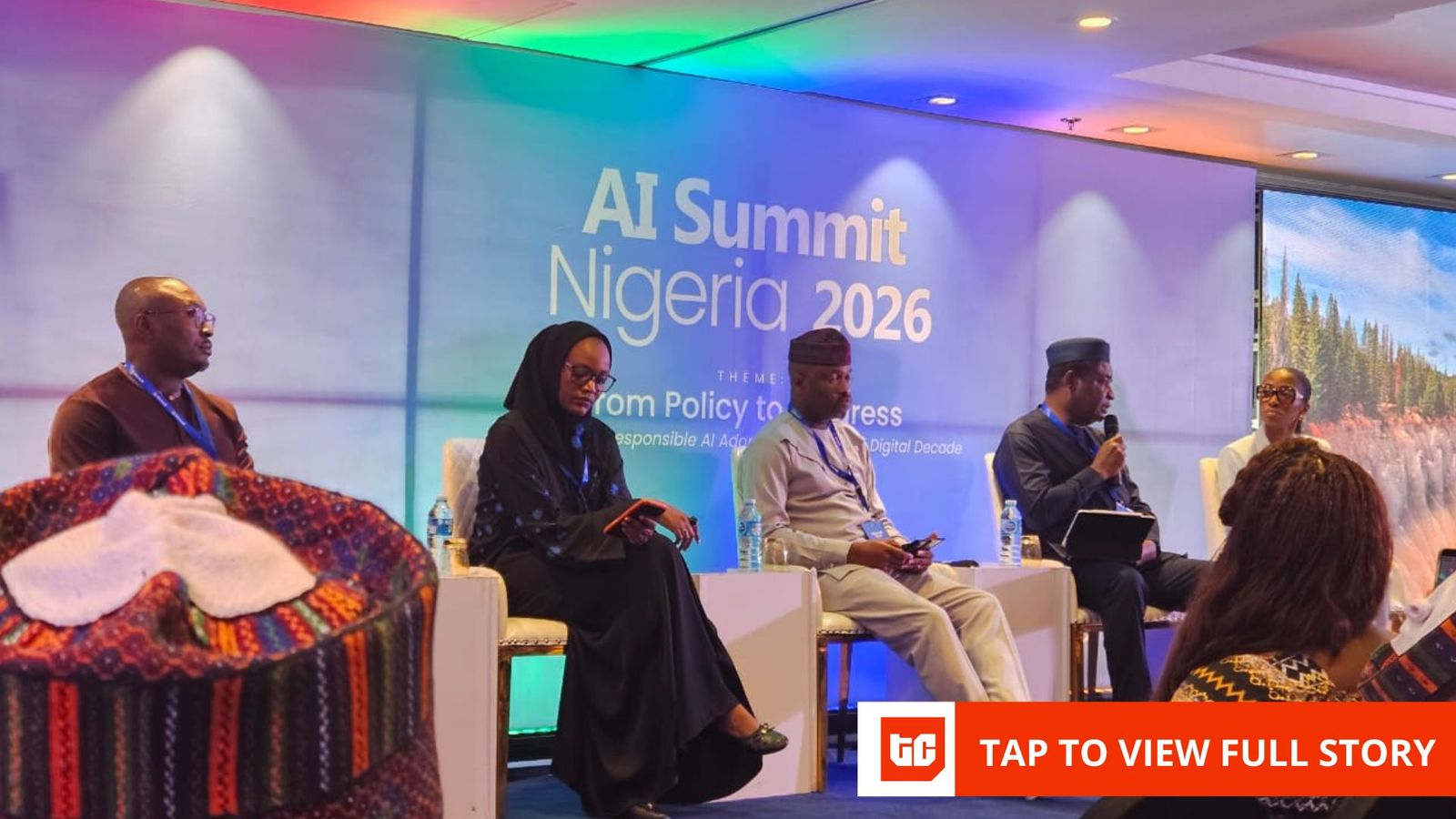
Nigeria's AI future hangs precariously on the ability of its government agencies to break down data silos, a problem that has been festering for nearly two decades. For citizens like Ruth Okoro, a small business owner in Lagos, this means that essential services like tax collection, identity verification, and education are hindered by the lack of interoperability between databases. The stakes are high, and the country's AI ambitions are at risk of being derailed unless this issue is addressed.
Industry experts warn that Nigeria's push to become a leading AI power in Africa is being held back by the fragmentation of its databases. The National Identity Management Commission (NIMC) manages the National Identification Number (NIN) database, while the Central Bank of Nigeria (CBN) oversees the Bank Verification Number (BVN) system. Other agencies maintain separate databases for telecom subscribers, passports, taxes, driver's licences, business registrations, and voter records. This makes it difficult to build AI tools that can improve services, as the data is stored in different formats and standards.
Despite efforts to solve this problem, institutional rivalries and concerns over data ownership continue to keep many systems running in parallel. The National Identity Management Commission Act of 2007 established the National Identity Management System (NIMS) as a central identity framework designed to connect government databases. However, this effort has been hampered by the same issues that plague other attempts to break down data silos. The recent push to link SIM cards to National Identification Numbers (NIN) in 2020 was a step in the right direction, but it has not been enough to address the underlying problems.
Nigeria's AI ambitions are becoming increasingly ambitious, with the launch of a National Artificial Intelligence Strategy and N-Atlas, Africa's first government-backed multilingual large language model, in 2025. However, experts say that the challenge is no longer about vision; it is about execution. As Kashifu Inuwa Abdullahi, Director-General of the National Information Technology Development Agency (NITDA), noted, "Today, we move from policy to progress."
The solution to this problem is not rocket science, but it does require a fundamental shift in the way government agencies work together. A unified digital infrastructure would enable the seamless sharing of data between agencies, making it easier to build AI tools that can improve services. This would not only benefit citizens like Ruth Okoro but also help Nigeria's economy by increasing efficiency and reducing costs.
Nigeria has a long history of trying to solve this problem, but it has not yet succeeded. The country needs to learn from its past mistakes and take a more coordinated approach to breaking down data silos. This requires leadership from the top, a willingness to work together, and a commitment to putting the needs of citizens first. If Nigeria can achieve this, its AI future could be bright indeed.
It's clear that Nigeria's AI future hangs in the balance, and it's up to the government to take action to break down data silos. If they fail, the consequences will be severe, and the country's AI ambitions will be derailed. But if they succeed, Nigeria could become a leading AI power in Africa, and its citizens will reap the benefits.