News
Donna Langley on Universal Ditching Short Theatrical Windows: 'We're Trying to Undo the Training We've Done to the Audience'
The pandemic turned the cinema into a pop‑up shop: Universal, in a deal with AMC Theaters, let films hit premium video on‑demand just 17 days after their theatrical debut.
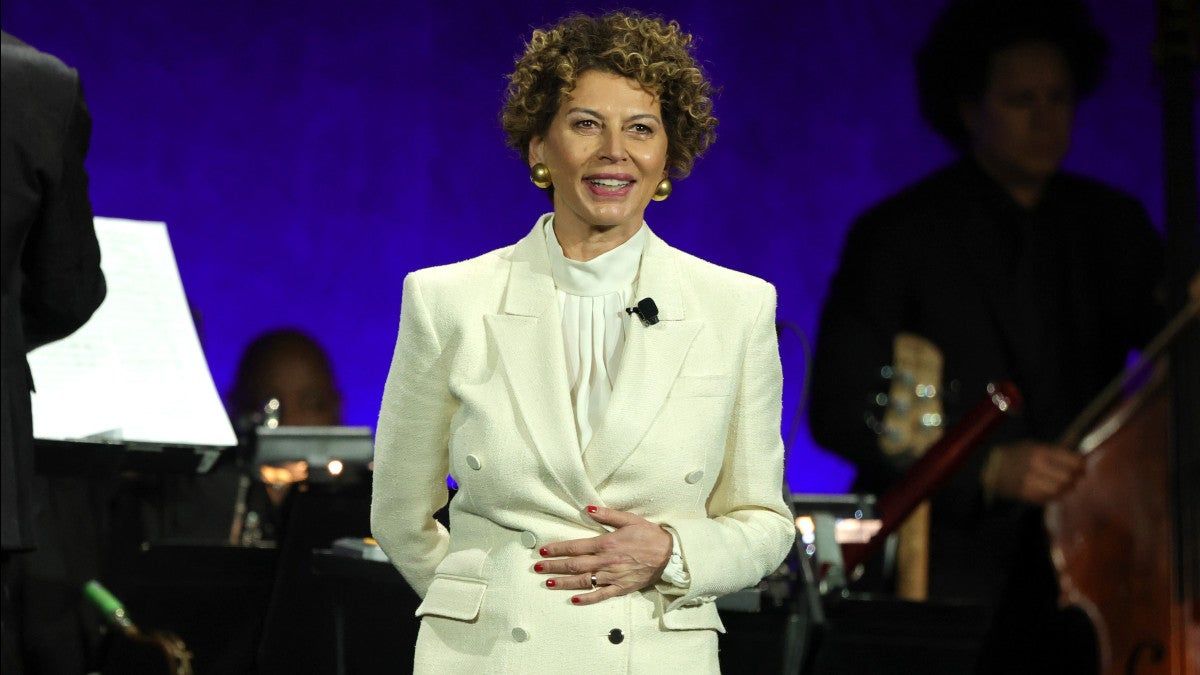
The pandemic turned the cinema into a pop‑up shop: Universal, in a deal with AMC Theaters, let films hit premium video on‑demand just 17 days after their theatrical debut. That shortcut rewired audience expectations, turning the big screen into a one‑off event before the home screen took over. Now, NBCUniversal chairman Donna Langley is pulling the plug on the short window, insisting that the industry must relearn the value of the theater. The stakes? Every Nigerian, UK, US or Canadian movie‑goer who has come to expect instant home access now faces a return to the communal experiencean experience that has been eroded by the pandemic’s rapid shift to streaming.
When the virus hit, Universal’s 17‑day PVOD window was a pragmatic response to closed cinemas. It let studios tap audiences who were still hesitant to return to theaters and offered a revenue stream that kept the business afloat. The strategy worked: The Wild Robot pulled in $334 million at the box office even after its 17‑day PVOD release. Yet, the same tactic sowed a new habitpeople learned to wait for home releases, treating the theater as a luxury rather than a necessity. The window became a cue: “If you want it now, buy it on the couch.” This cue is what Langley wants to reverse.
Langley’s announcement signals a deliberate attempt to re‑educate viewers. “We can’t do that if we tell them it’s available in 17 days,” she said. The implication is that the cinema experience is not just about watching a film; it’s about community, atmosphere, and the ritual of going out. By extending the theatrical window to 45 days, Universal is betting that audiences will once again see the theater as the first place to experience a movie. The move also aligns with Paramount‑Warner’s similar shift, hinting at an industry‑wide recalibration. If the 45‑day window succeeds, it could reset the entire distribution model, forcing studios to prioritize theatrical releases over instant home access.
While the 45‑day window addresses the immediate post‑theater period, Langley warns that the real danger lies in the streaming window. “It’s the streaming window that I think is the one to really keep an eye on,” she said. Streaming platforms offer an all‑you‑can‑eat buffet of content, eroding the perceived value of a single movie experience. The convenience of binge‑watching, coupled with the absence of a communal element, threatens to make the theater a relic of the past. Universal’s focus on the streaming window suggests a strategic priority: protect the cinema by ensuring that the next step after the theater is not a passive home experience but a curated, premium on‑demand offering.
The narrative that “short windows hurt box office” is oversimplified. Universal’s own data shows that a 17‑day PVOD window can coexist with strong theatrical performance, as seen with The Wild Robot. However, the long‑term effect on audience habits remains unclear. My prediction is that the 45‑day window will only be effective if paired with a robust marketing push that emphasizes the theater’s unique value proposition. Without that, audiences will continue to default to home viewing, and the cinema’s relevance will wane.
The shift back to a longer theatrical window is a bold, if risky, move. It acknowledges that the pandemic reshaped consumer behavior and that the industry must actively counteract the new habits it has cultivated. The real test will be whether Universal can convince viewers that the theater is still the premier destination for film, not just a nostalgic detour. If it succeeds, the next decade could see a renaissance of cinema cultureif it fails, the industry may find itself locked in a cycle of instant gratification that erodes the very experience it once celebrated.