Politics
Nigeria Confirms Ebola Case in Abuja After Patient Arrives from Uganda
The first Ebola patient to hit Abuja in 2026 is a woman who landed in the capital on an international flight from Uganda.
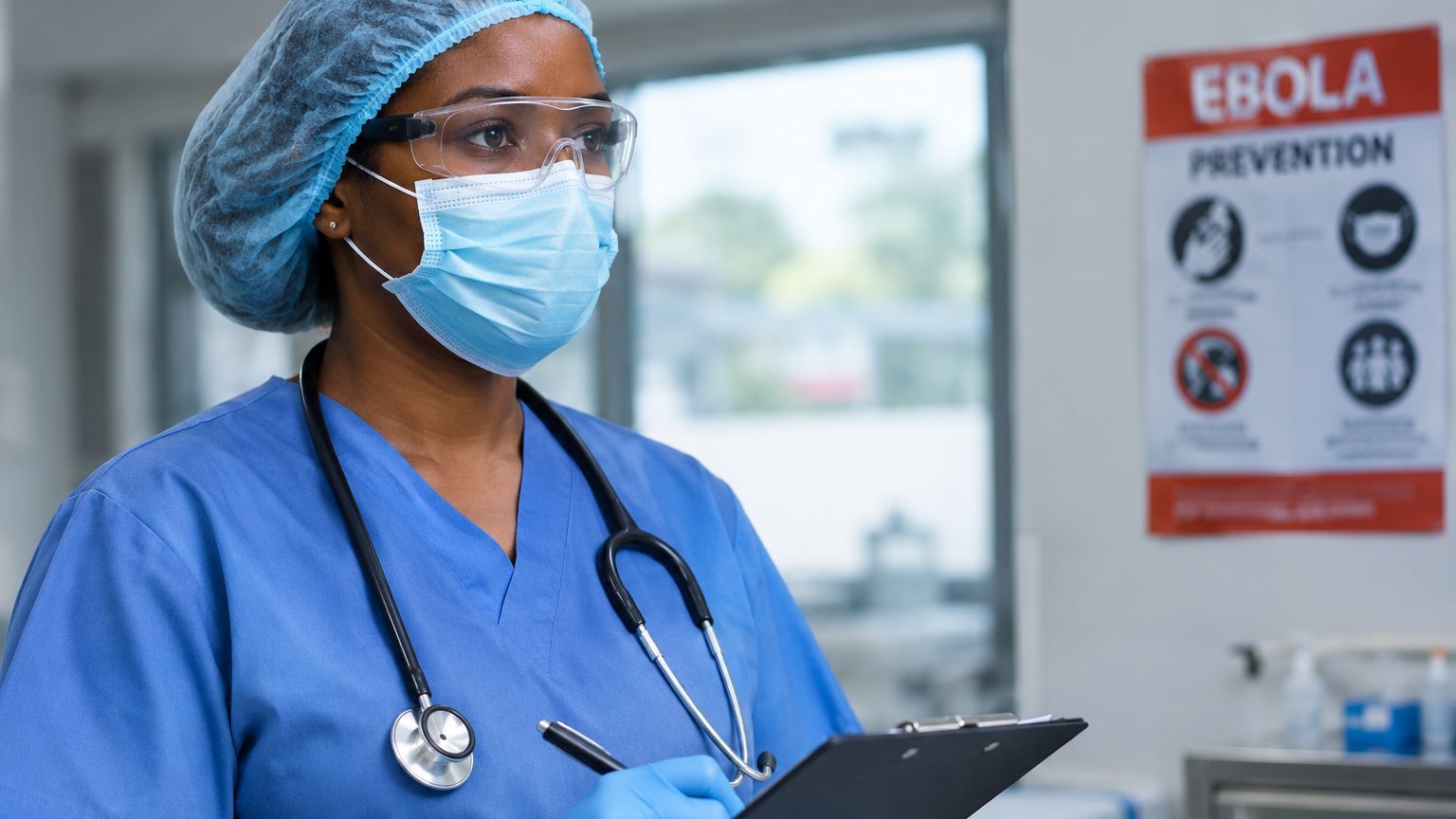
The first Ebola patient to hit Abuja in 2026 is a woman who landed in the capital on an international flight from Uganda. Her arrival triggered an immediate response from the Federal Government, the Nigeria Centre for Disease Control (NCDC) and the FCT Health Services Secretariat. She was admitted to a private hospital, treated for several days, and then moved to an isolation facility after laboratory confirmation. The case has set the entire country on high alert, with 44 close contacts already identified and under monitoring.
44 contacts have been flagged for surveillance, a figure that underscores the rapid mobilisation of Nigeria’s contact‑tracing apparatus. The patient’s admission to a private hospital, rather than a public facility, highlights the dual‑track nature of health service provision in the FCT. Within days of the diagnosis, the patient was transferred to a dedicated isolation ward, signalling a swift escalation of care protocols. The federal government’s press statement, signed by Professor Muhammad Ali Pate, the Coordinating Minister of Health and Social Welfare, was issued on October 20, 2026. This date marks the official confirmation and the start of nationwide surveillance measures.
The speed at which the NCDC moved to isolate the patient and begin contact tracing illustrates a system still learning from the 2014 outbreak. The 2014 Ebola crisis in Nigeria was contained through a network of surveillance, rapid diagnostics and community engagement. Today, the same mechanisms are being deployed, but with an added emphasis on public communication to prevent panic. The 44 contacts span healthcare workers, caregivers, patients and travel companions, reflecting the virus’s potential to spread across multiple settings if left unchecked.
The patient’s initial treatment in a private hospital is significant. Private facilities often have better infrastructure and resources for infection prevention and control, yet they also operate in a less regulated environment. By moving the patient to an isolation facility, authorities ensured that the highest standards of containment were met. This decision also sends a clear signal to all health providerspublic and privateto maintain a high index of suspicion and to report suspected cases immediately. The involvement of private hospitals in national outbreak responses is a growing trend, driven by the need for capacity and expertise that public systems alone may lack.
Nigeria’s experience with Ebola in 2014 has forged a robust public health framework. The 2014 outbreak was curtailed through coordinated efforts between the government, international partners and local communities. That legacy is now being invoked to reassure the public that the country is equipped to handle a new case. The NCDC’s rapid activation of surveillance and the high‑alert status for all healthcare facilities nationwide are direct continuations of the protocols established after the 2014 crisis. The government’s message to remain calm while strictly following safety guidelines echoes the calm, measured approach that proved effective in 2014.
While the authorities are focused on containment, the broader societal impact cannot be ignored. In past outbreaks, misinformation and stigma have often compounded the health crisis, leading to delayed care and increased transmission. The government’s emphasis on staying composed and relying on verified updates is a strategic move to curb fear‑mongering. By urging citizens to avoid panic, the authorities are attempting to prevent the social fallout that can undermine containment efforts. The patient’s situation also highlights the personal toll of such outbreaksshe is now isolated, her family is in distress, and the community around her is watching closely.
Given the speed of the response and the involvement of both public and private sectors, I predict that Nigeria will move toward a more integrated surveillance system. The current model, which relies heavily on manual contact tracing and hospital reporting, will likely be supplemented by digital tools and community‑based reporting mechanisms. This shift could reduce the lag between symptom onset and isolation, a critical factor in controlling Ebola. The NCDC’s current high‑alert stance suggests that the government is already contemplating such upgrades, especially in light of the 44 contacts that span diverse settings.
The next few days will be crucial. If the current measures hold, we may see the outbreak contained before it expands beyond Abuja. The public’s adherence to guidelines, the cooperation of healthcare workers, and the speed of laboratory confirmation will determine the trajectory of this case. For Nigerians, the lesson is clear: vigilance, calm, and compliance with official health directives are the best defenses against a disease that once threatened the nation.