Politics
White House Media Ban: Press Attorney Says Trump Legal Battle Signals 'Dangerous Problem' for Journalists
The White House’s latest attempt to shut the press off has just been stopped by a federal judge, and the victory carries a weight that reaches far beyond the three outlets involved.
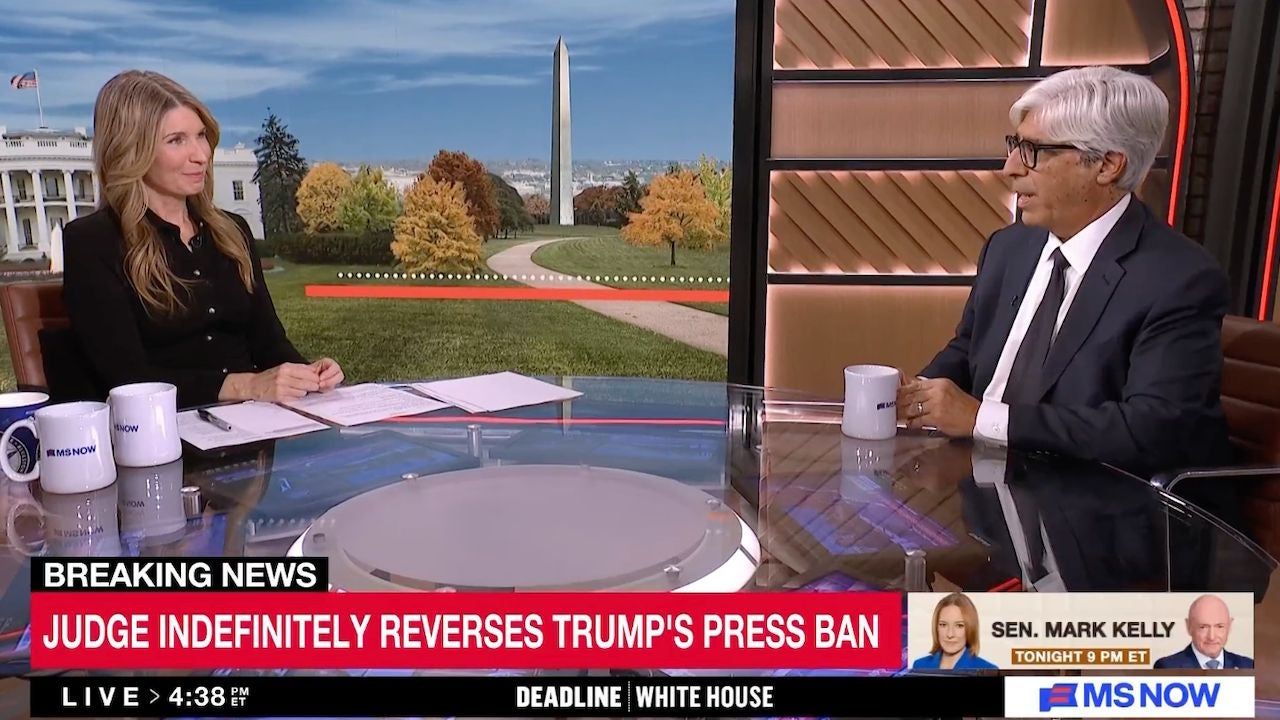
The White House’s latest attempt to shut the press off has just been stopped by a federal judge, and the victory carries a weight that reaches far beyond the three outlets involved. Theodore Boutrous, the attorney who argued the case for CNN, MS NOW, and Politico, has said that the ruling is a landmark reminder that the press can still hold power to the highest offices. For the reporters who had their access revoked, the decision means they can once again walk the White House grounds and ask the questions that matter. For the public, it reasserts the right to know what the executive branch is doing.
Federal Judge Timothy Kelly ruled that the Trump administration cannot reinstate the ban on reporters from the three outlets. The judge also noted that the outlets are likely to succeed in proving a First Amendment violation. The decision, handed down on Tuesday, was a clear signal that the courts will not allow the executive branch to silence the media without substantial justification. Boutrous, who has never lost a First Amendment case, expressed genuine relief at the outcome, saying the victory “is valuable for informing the public about the inner workings of the Trump administration.” This is not just a win for the three newsrooms; it is a win for the democratic principle that the press must be able to question those in power.
The attorney warned that President Donald Trump’s efforts to delegitimize journalists pose a “dangerous problem.” By labeling reporters as untrustworthy or “unreliable,” the administration threatens to erode public confidence in the media. Boutrous noted that such attacks “hurt the fundamental First Amendment principle” and prevent citizens from knowing what their government officials are doing. He quoted Professor Alexander Bickel to emphasize that the back‑and‑forth between the press and government is a “unruly contest” that is essential to democracy. Trump’s approach, in Boutrous’s view, is an attempt to eliminate that crucial feature.
This case sits at the intersection of a broader cultural battle over media credibility. In a time when misinformation spreads rapidly across social media platforms, the press’s role as a watchdog is under siege. The White House’s attempt to ban reporters echoes past attempts by administrations to restrict access, such as the 2018 Trump‑era gag order on journalists. Yet each time, the courts have stepped in to restore balance. The current ruling underscores a pattern: whenever the executive branch tries to silence the press, the judiciary often intervenes, reaffirming the constitutional safeguard. This dynamic reflects a larger struggle between an increasingly partisan media landscape and the need for transparent governance.
Given the Trump administration’s decision to appeal, the legal battle will likely extend into the appellate courts. Boutrous’s track record suggests that the case will continue to move in favor of the press. I predict that the appellate court will uphold the lower court’s ruling, cementing the precedent that executive attempts to revoke media access without clear legal justification are unconstitutional. Should the Supreme Court eventually take up the matter, the decision could set a definitive standard for future administrations.
The ruling is a reminder that the press remains a vital pillar of democracy. As the legal process unfolds, journalists will continue to be at the frontline, demanding transparency and accountability from those who wield power. The next few months will reveal whether the judiciary will maintain its role as the guardian of First Amendment rights political rhetoric often seeks to undermine the very institutions that keep the government in check.