Politics
What The Social Reckoning misses about Meta
Aaron Sorkin’s newest film, The Social Reckoning, follows the real‑world drama that unfolded as Frances Haugen and Jeff Horwitz exposed Facebook’s internal decision‑making.
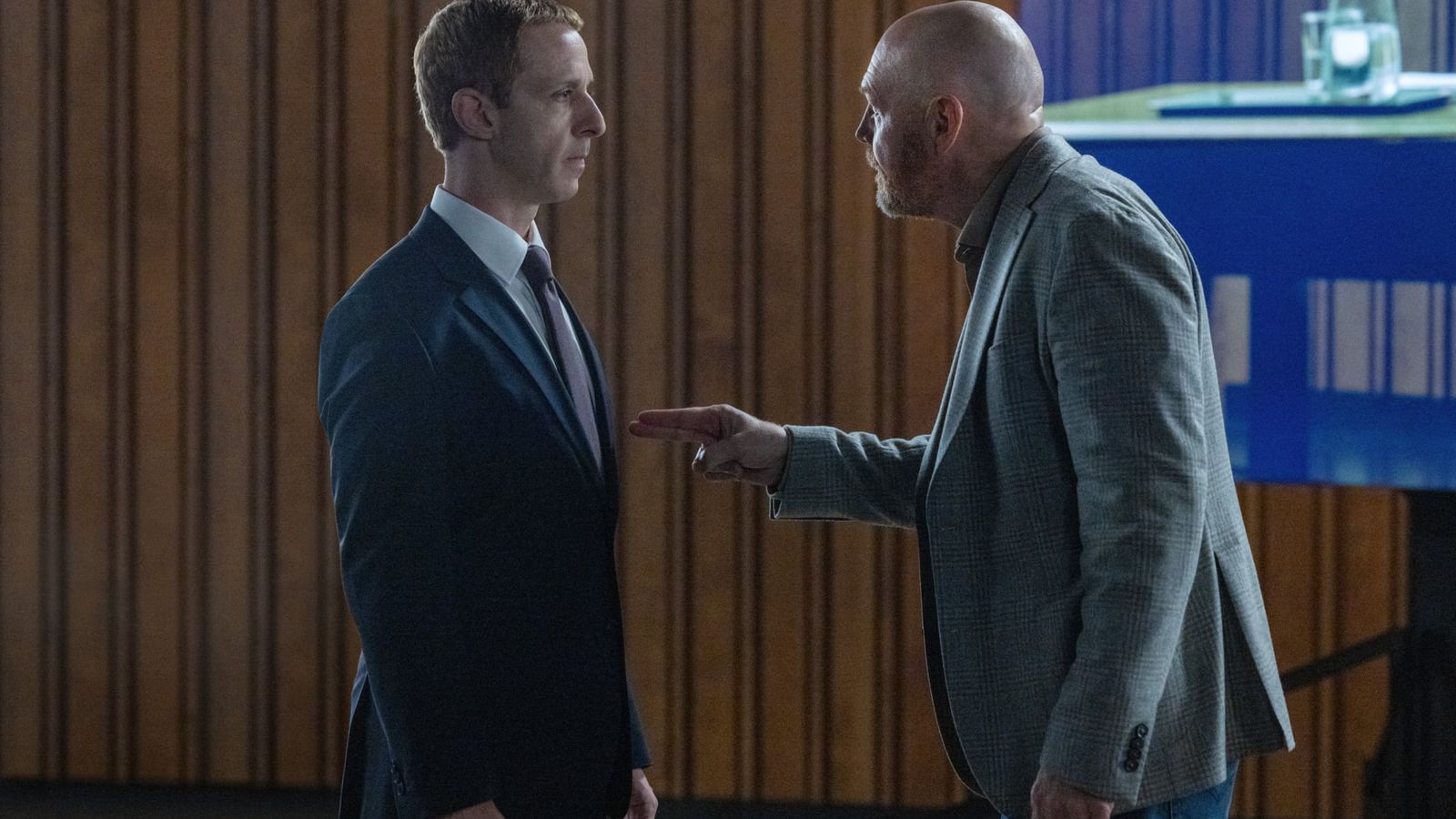
Aaron Sorkin’s newest film, The Social Reckoning, follows the real‑world drama that unfolded as Frances Haugen and Jeff Horwitz exposed Facebook’s internal decision‑making. The stakes for these two whistleblowers were immense: they risked legal retaliation, personal safety, and the very fabric of their careers to bring the company’s hidden practices to light. The movie, while dramatizing their efforts, leaves out several critical elements that shaped the public’s perception of Meta and the broader tech industry.
The film’s narrative hinges on two parallel timelinesone following Haugen and Horwitz as they dig into the company’s secrets, the other tracking Mark Zuckerberg as he prepares for congressional testimony. Yet, it deliberately omits the name Trump, despite the fact that the whistleblowing series directly fed into the 2020 election’s political climate. By sidestepping this connection, the movie fails to illustrate how Meta’s algorithmic choices were weaponized to influence a presidential campaign. The omission dilutes the gravity of the revelations and undercuts the political stakes that drove the public outcry.
The film sets a third of its story in 2020, yet the pandemic is referred to only as “the novel virus.” This linguistic choice glosses over the rampant medical misinformation that proliferated on Meta’s platforms, especially among conservative conspiracy groups. The real‑world impact was stark: false narratives about vaccines and lockdowns spread faster than the virus itself, undermining public health efforts. By not addressing this, the movie misses a critical chapter in Meta’s history of content moderation failures and the societal harm that followed.
Meta’s 2018 data breach, which harvested user profiles to target U.S. Voters, is only briefly mentioned. The breach was a turning point, revealing that the company had the technical capacity to engineer political persuasion on a massive scale. The film’s failure to delve into the specifics of this breach, including the psychological studies conducted on unsuspecting users, leaves viewers without a full understanding of the ethical breaches that underpinned the Facebook Files. This omission is not a minor detail; it is a central pillar of the story that explains why the whistleblowers felt compelled to expose the truth.
In 2017, Media Matters for America dubbed Meta’s CEO “Misinformer of the Year.” The film does not explore how this label reflected the broader cultural backlash against tech giants. Civil rights groups, such as GLAAD, have long criticized Meta for creating unsafe spaces for LGBTQ communities. By ignoring these broader societal critiques, the movie presents an incomplete picture of the company’s role in shaping public discourse. The absence of these voices diminishes the narrative’s relevance to audiences who have felt the direct impact of Meta’s policies.
Meta’s story is not isolated; it echoes a larger shift in the tech industry toward greater transparency and accountability. The whistleblowing that led to the Facebook Files has prompted regulatory bodies worldwide to scrutinize data practices more closely. In the United States, the Federal Trade Commission has intensified investigations into algorithmic bias, while in the European Union, the Digital Services Act seeks to impose stricter content moderation standards. The film’s failure to contextualize Meta within this global movement weakens its analytical depth and reduces its relevance to a worldwide audience.
Given the mounting regulatory pressure and the public’s growing demand for ethical tech practices, Meta is likely to adopt a more proactive stance on content moderation and data transparency. I predict that within the next 12 to 18 months, Meta will unveil a comprehensive policy overhaul that includes third‑party audits and clearer user consent mechanisms. This move will be aimed at regaining trust and avoiding further legal entanglements.
The film’s omissions, while perhaps intentional for dramatic pacing, leave viewers with an incomplete understanding of the forces that shaped Meta’s trajectory. As an entertainment journalist who has covered Nollywood and the global creator economy for over a decade, I see the importance of connecting individual stories to broader cultural currents. The Social Reckoning offers a glimpse, but it stops short of delivering the full context that audiences deserve. The next chapter in Meta’s story will likely see the company grappling with these very omissions, forcing it to confront the very realities it has so far sidestepped.