News
Rob Reiner almost made Larry David's Prognosis Negative
Larry David’s career was hanging on a thread when a half‑finished script slipped into the hands of Hollywood’s gatekeepers.
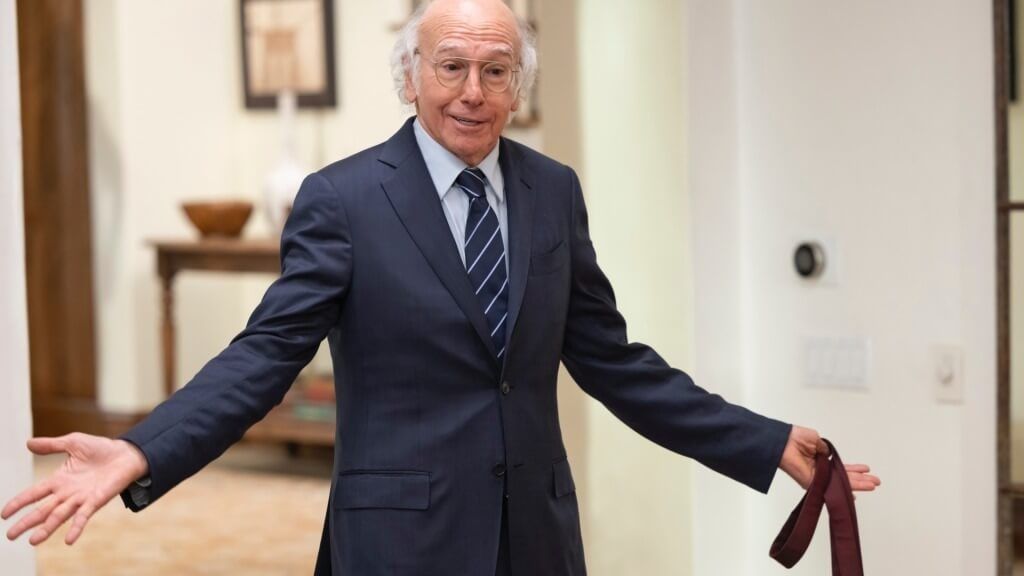
Larry David’s career was hanging on a thread when a half‑finished script slipped into the hands of Hollywood’s gatekeepers. The story of Prognosis Negative is not just a footnote in a biography; it is the moment a down‑and‑out comedian, fresh from a floundering stint on Fridays, found a lifeline that would eventually lead to Seinfeld and Curb Your Enthusiasm. For David, the script was a lifeboat; for Rob Reiner, Richard Dreyfuss, and the rest of the Hollywood machine, it was a potential goldmine that almost slipped through their fingers.
Prognosis Negative was a dark comedy about a commitment‑phobic man who dates a terminally ill woman to taste love without forever. The premise mirrored David’s own neuroses, making the screenplay feel like a personal confession written for the screen. When David’s friend Richard Lewis was dating Marilyn Black, Black saw the script’s potential and became David’s manager. She sold the story to Rob Reiner, who envisioned it as a follow‑up to This Is Spinal Tap. Reiner’s enthusiasm was palpable, but his indecisionwhether to direct or hand it to Christopher Guestkept the project stalled.
Reiner’s hesitation reveals a deeper truth about Hollywood: even the most promising ideas can be stalled by the very people who could make them shine. If Reiner had taken the helm, Prognosis Negative might have become a cult classic, perhaps even a Seinfeld‑style parody of modern relationships. Instead, the script drifted into the hands of others, including Richard Dreyfuss, who wanted to pivot it into a coming‑of‑age drama reminiscent of Risky Business. The shift from dark comedy to drama would have altered the story’s core, diluting the sharp wit that defined David’s voice.
David’s insistence that he remain the sole writer and that no word be changedeven for a hefty $200,000 from producer David Susskindwas both a defense of his creative integrity and a barrier to collaboration. Susskind’s lawyer famously remarked, “It’s too stacked in Larry’s favor. Robert Redford doesn’t get a deal like this!” This stance alienated potential partners and ultimately doomed the deal. Yet, it also highlighted David’s fierce independence, a trait that would later become his hallmark on Seinfeld.
The irony is that the very quality that made the script irresistibleits unapologetic honestyalso made it difficult to sell. In a market that thrives on polish and marketability, David’s rawness was a luxury few could afford. The lesson for aspiring writers? Protect your voice, but be willing to compromise when the opportunity to reach a wider audience is on the line.
The Prognosis Negative saga exposes a broader pattern in Hollywood: scripts that challenge conventional storytelling are often scooped up by larger studios and retooled to fit mainstream tastes. Richard Dreyfuss’s pivot toward a Risky Business‑style drama illustrates this tendency to dilute niche content for mass appeal. The fact that Reiner considered Christopher Guesta filmmaker known for mockumentariesshows how Hollywood’s casting choices can pivot a project’s tone entirely.
This culture of opportunism often leaves the original creator sidelined. David’s experience echoes that of many African creators who sell their work abroad only to find it altered beyond recognition. The story is a cautionary tale for creators worldwide: guard your narrative, but also recognize when the trade‑off of collaboration is worth the exposure.
If Prognosis Negative had been produced under Reiner’s direction, it might have paved the way for a wave of dark comedies that blend existential dread with humor. Today, shows like Barry and The Marvelous Mrs. Maisel demonstrate that audiences crave this blend. I predict that by 2028, a new generation of creators will deliberately pitch “dark comedy” projects to studios, banking on the proven formula that Prognosis Negative hinted at. The industry will likely be more receptive, having learned from past missteps where originality was sacrificed for safety.
At the heart of this story are real people: Larry David, Marilyn Black, Rob Reiner, Richard Dreyfuss, and David Susskind. Each decision pointwhether to sell the script, to accept a rewrite, or to hold firmhad tangible repercussions on their careers. For David, the failure to secure a deal meant that he had to keep grinding, eventually landing a role that would launch Seinfeld. For Reiner and Dreyfuss, missing out on a unique voice meant missing a potential career‑shaping project. The narrative underscores that creative control is a double‑edged sword, offering both protection and isolation.
Larry David’s journey from a struggling comedian to a television icon is evidence of perseverance. Prognosis Negative may have stayed a footnote, but its ripple effects are still felt in the comedy landscape today. The story reminds us that in Hollywood, the line between success and obscurity can be drawn with a single negotiation.
More stories you'll like
News
Ryan Murphy will extract another season from the corpse of American Horror Story

News
FKA Twigs announced as Southbank's Meltdown 2027 curator, with special guests announced for 'Hometown' grassroots events across the UK

News