Politics
Dropkick Murphys' Ken Casey Criticizes Ed Sheeran Over His Treatment of Macklemore: 'Doesn't Sit Right'
Ken Casey’s jab at Ed Sheeran over Macklemore’s exit from the Loop Tour hits a nerve that stretches far beyond a single stadium.
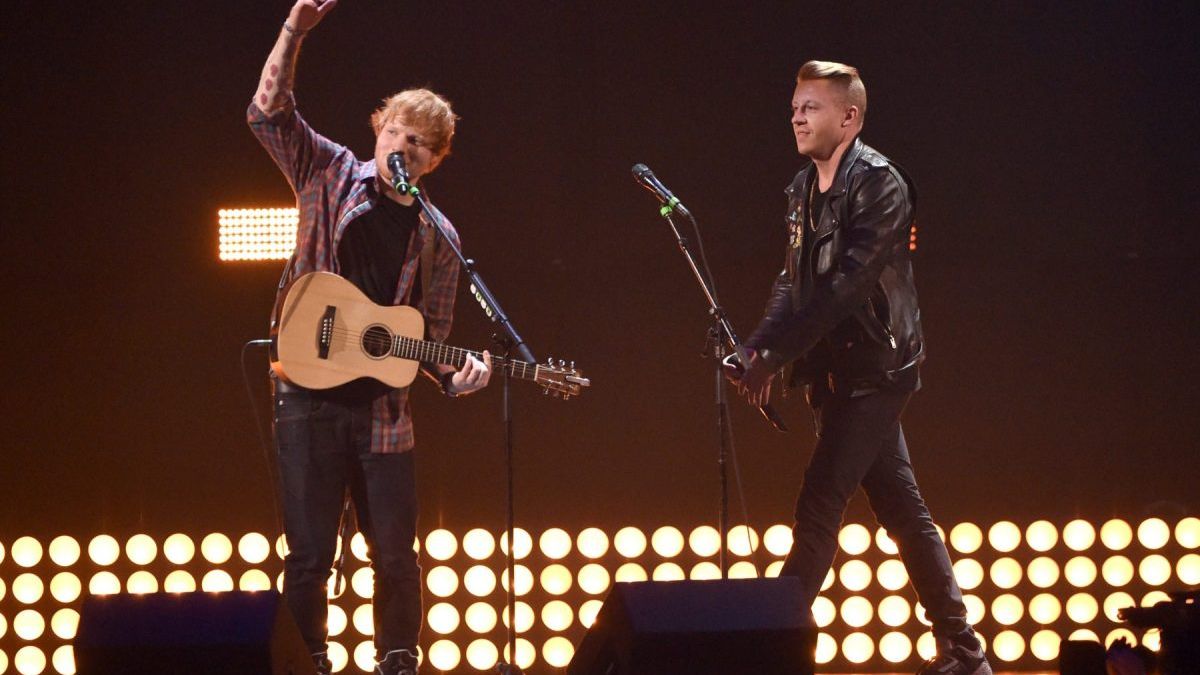
Ken Casey’s jab at Ed Sheeran over Macklemore’s exit from the Loop Tour hits a nerve that stretches far beyond a single stadium. It’s a reminder that the touring ecosystem is a tight‑knit family where a single decision can unravel a chain of loyalties, bookings, and, ultimately, the livelihoods of dozens of musicians. For Macklemore, a veteran of the rap scene, the removal felt like a betrayal that could tarnish his brand and his message about social justice. For the other opening actsAaron Rowe, Finneas, Lukas Grahamwhose careers were riding the wave of the tour’s massive reach, the fallout threatens to stall their momentum in a market that rewards visibility. And for the fans, it raises a question: should the politics of an opening act be judged by the headliner’s corporate interests or the audience’s conscience?
Casey’s comparison of touring partners to “brotherhood, sisterhood” isn’t hyperbole. In a 30‑year career, he’s seen the industry’s reliance on trust and mutual respect. The Dropkick Murphys have a history of speaking out, from their 2025 Rocklahoma Festival protest against the Trump administration to their willingness to risk losing venues for authenticity. When Macklemore voiced support for Palestinians and critiqued Israel’s war in Gaza, he stepped into a political arena that the Loop Tour’s promoters, led by Messina Touring Group, were unwilling to entertain. The decision to cut him after just two showsannounced on September 14reveals a hierarchy where promoters can override artistic expression when it clashes with venue owners’ sensibilities, in this case Gillette Stadium owner Robert Kraft.
The obvious narrative is that Sheeran, as a global superstar, must navigate commercial realities. Yet Casey challenges this by pointing out that the Dropkick Murphys’ own political stances have historically led to venue blacklists. “We said what we have to say onstage every night, and probably about 50 percent of the audience walked away,” Casey recalled. The implication is clear: if a band can survive the backlash of a political statement, why should an opening act be penalised for doing the same? The loop of corporate pressure that silenced Macklemore is a warning that the industry still prioritises profit over principle.
The fallout didn’t stop at Macklemore. Aaron Rowe, Finneas, and Lukas Graham all announced their withdrawal from the Loop Tour after the incident. Each artist’s decision underscores a growing sentiment that artists cannot be coerced into silence or risk being dismissed for their convictions. This domino effect threatens to weaken the tour’s appeal, potentially reducing ticket sales and streaming numbers that the headline act relies on. If the Loop Tour loses its opening acts, Sheeran’s brandalready under scrutiny for his “take‑knee” stancemay suffer a credibility hit among audiences who value authenticity over commercialism.
Within the next six months, I predict that Ed Sheeran will launch a public relations campaign emphasizing his commitment to artistic freedom, perhaps even re‑booking Macklemore for a separate headline tour. The industry will likely see a surge in independent tours that explicitly pledge to protect political expression, a trend that could reshape how headline acts negotiate opening slots. If Sheeran fails to address the backlash, the Loop Tour could be relegated to a cautionary tale for future headliners.
The controversy reminds us that the touring world is not just about music; it’s about who you choose to carry your story and what you’re willing to sacrifice for it. The stakes are high for the artists involved, the promoters, and the fans who crave genuine voices. In a market where silence often sells more than truth, Ken Casey’s critique may well be the spark that forces the industry to confront its own contradictions.