Politics
How to Protect Yourself From Ebola Virus Disease
The first confirmed Ebola case in Abuja, NCDC‑announced on 20 October 2026, has put the capital on high alert.
The first confirmed Ebola case in Abuja, NCDC‑announced on 20 October 2026, has put the capital on high alert. The patient, whose identity has not yet been released, is the first of its kind in the city, and the stakes are clear: a virus that can claim up to 90 percent of those infected and that has already claimed lives across West Africa. For Nigerians, not whether Ebola will arrive, but how to stay safe while the federal government ramps up surveillance and response.
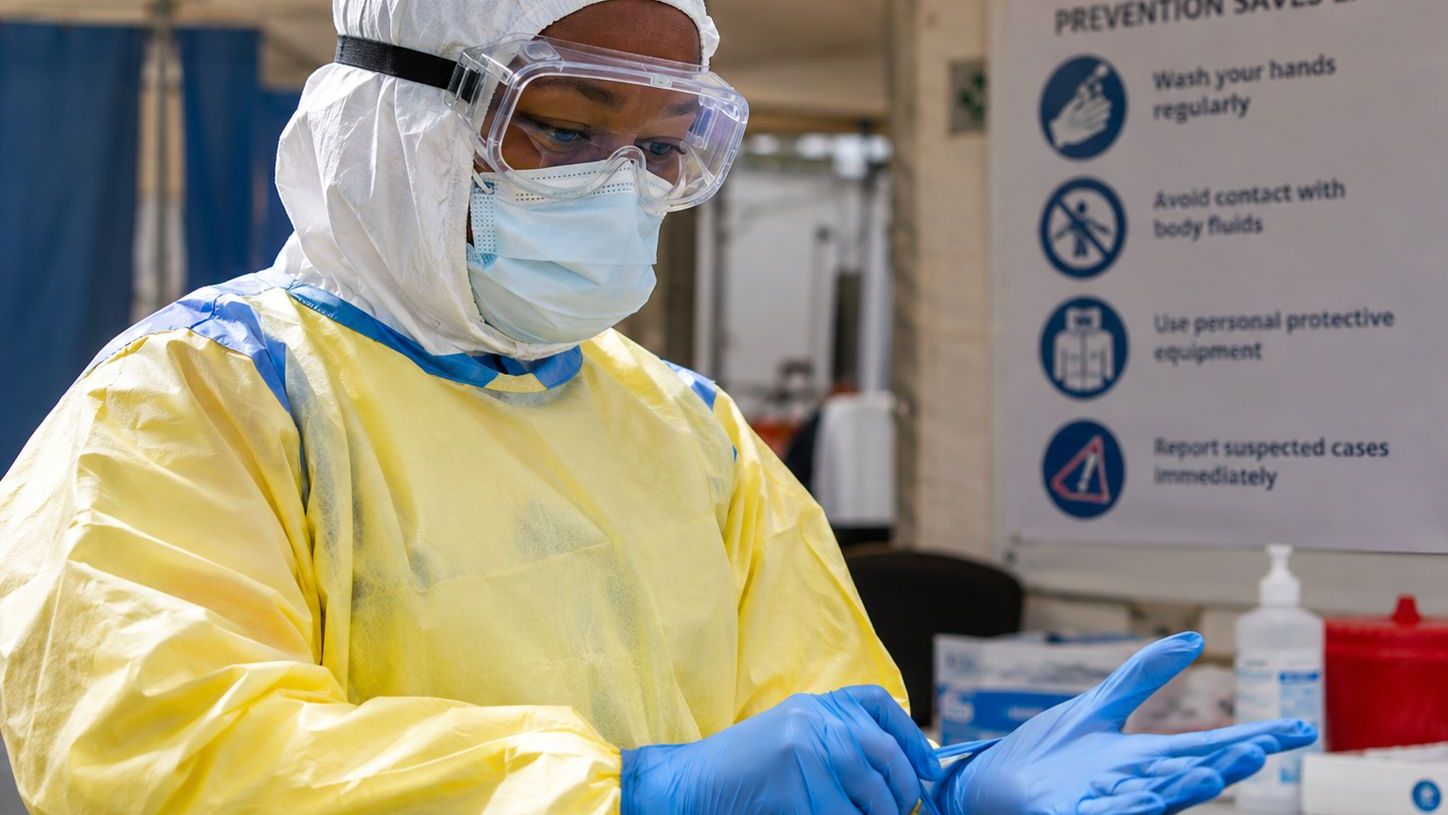
The Nigeria Centre for Disease Control has issued a concise list of protective measures. First, hand hygiene remains the frontline defense: washing with soap under running water or using hand sanitiser where water is scarce. Second, avoid physical contact with anyone showing unexplained symptoms. Third, limit wildlife exposureparticularly fruit bats and primatesand ensure any bushmeat is cooked thoroughly. Fourth, never touch bodily fluids of suspected or confirmed cases. Finally, if you or someone you know shows symptoms and has travelled to an Ebola‑affected country, dial 6232 or your State Ministry of Health hotline without delay. These steps mirror the protocols used during the 20142016 West African outbreak, when Nigeria first recorded a case in Lagos on 23 July 2014.
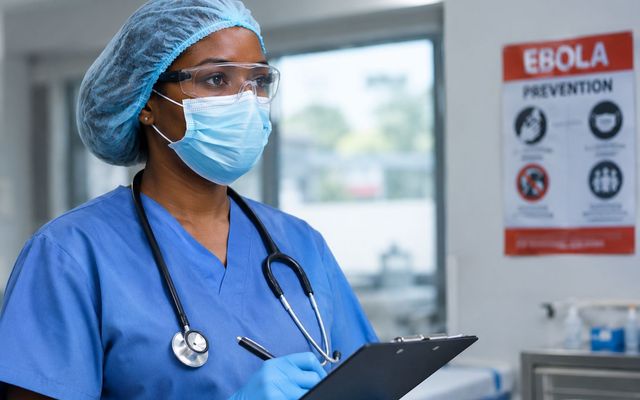
Healthcare professionals are the first line of containment. They are urged to keep a high index of suspicion for EVD, isolate patients immediately, and adhere strictly to infection prevention and control protocols. This guidance is not new; during the 2014 outbreak, inadequate protective equipment and delayed isolation contributed to secondary transmission. The NCDC’s emphasis on strict isolation reflects lessons learned from that period, underscoring that even a single lapse can spark a larger outbreak.
Ebola’s re‑emergence in Abuja signals a shift in Nigeria’s public health landscape. The country has invested heavily in pandemic preparedness, especially after the COVID‑19 crisis. The NCDC’s rapid confirmation and public advisories demonstrate an institutional capacity that was previously lacking. Yet, the high fatality ratebetween 25 % and **90 %**remains a stark reminder that prevention is the only viable strategy. The broader industry movement is towards building resilient health systems that can pivot quickly from surveillance to intervention, a trend that will likely influence vaccine research and distribution strategies across Africa.
Given the NCDC’s proactive stance and the federal government’s strengthening of surveillance, I predict that within the next six months Nigeria will roll out a targeted community education campaign. This will likely include mobile health units in high‑risk zones and partnerships with local leaders to disseminate hygiene practices. If the government follows through, the country could set a benchmark for rapid response that other African nations might emulate.
The first confirmed case in Abuja is a stark reminder that Ebola is no longer a distant memory. It is a call to action for citizens, healthcare workers, and policymakers alike to uphold the lessons of the past and build a future where rapid detection and decisive containment are the norm.