News
Hansi Flick reacts to Barcelona's Defeat Against PSG
The roar of the Parc des Princes had faded to a low murmur as the final whistle blew.
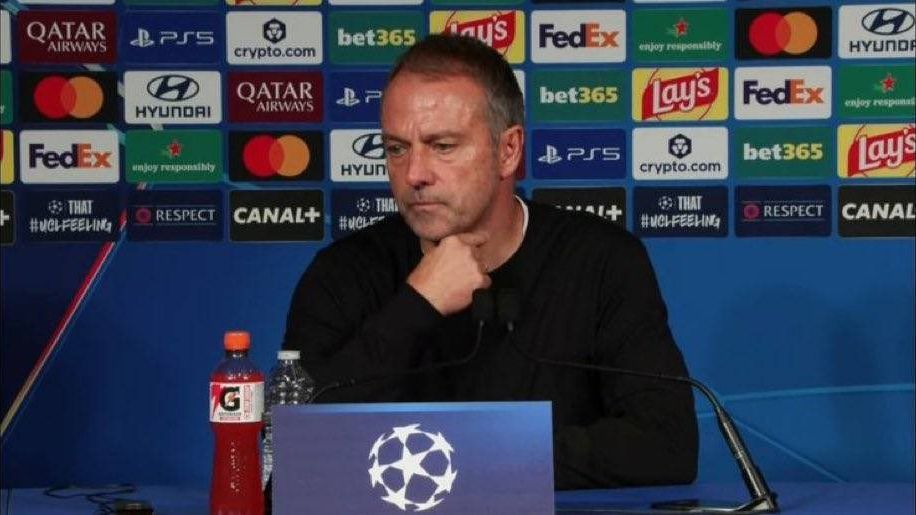
The roar of the Parc des Princes had faded to a low murmur as the final whistle blew. Hansi Flick stood on the sidelines, his face a mixture of disappointment and resolve, watching his Barcelona squad retreat from a 4‑2 loss to Paris Saint‑Germain. The stadium lights dimmed, the crowd’s energy dissipated, and the silence that followed felt almost ceremonialan acknowledgment that a perfect start to the 2026/27 season had been shattered.
In the hours after the match, Flick addressed the press with a candid admission that PSG had outclassed Barcelona on the day. He said the French side had proven themselves “better” and that the loss was a learning opportunity rather than a verdict. “We lost this match, but we learned a lot from it,” he noted, underscoring the need for reflection over blame. His comments highlighted a key truth about modern football: even the most talented squads can stumble when fatigue and tactical mismatches conspire.
Flick’s reference to his players “not being fresh” was a subtle nod to the grueling schedule that has become a hallmark of the Champions League. The team had been pressed into action over the past weeks, a reality that the coach described as “unbelievable” in terms of effort. This fatigue manifested in a lack of energy during the closing stages, a factor he pinpointed as a decisive element in the defeat. It’s a reminder that success on the pitch is as much about managing bodies as it is about skill.
The German manager also pointed to PSG’s “dangerous counter‑attacks” as a critical threat that Barcelona struggled to neutralise. In a game where every possession counts, the French side’s ability to transition quickly from defence to offence proved too sharp for the Catalan outfit. Flick’s acknowledgment of this tactical edge shows his willingness to confront the realities of the opposition, a quality that can only strengthen his squad’s future performances.
Amid the gloom, Flick found a silver lining in the form of Xavi Espart, a young defender who scored his first Champions League goal. Flick called Espart’s display “fantastic,” signalling that the club’s youth pipeline is yielding talent capable of making an impact at the highest level. Espart’s contribution is more than a statistical footnote; it’s evidence of Barcelona’s enduring commitment to nurturing homegrown talent.
The defeat does not dim the anticipation surrounding the upcoming El Clásico against Real Madrid. Flick’s focus has already shifted to the next challenge, where the pressure will be even higher. The loss, while painful, offers a chance for recalibration. Barcelona’s resilience will be tested as they aim to rebound from their first defeat of the season, a task that requires both tactical adjustments and mental fortitude.
As a writer who lives for the human stories behind the headlines, I see this match as a microcosm of the broader struggle many teams face: balancing ambition with the physical limits of the human body. The pressure of the Champions League, coupled with domestic commitments, creates a crucible that can either forge champions or expose vulnerabilities. In Barcelona’s case, the loss to PSG has exposed a gap that must be bridged before they can claim glory again.
Looking forward, the key will be how Flick and his squad turn this setback into a catalyst for growth. If they can learn from PSG’s counter‑attacks, manage fatigue better, and harness the promise of players like Espart, the next chapter of their season could very well be one of redemption. The stage is set, the players are ready, and the story is still being written.