Politics
Ekiti Guber: PDP candidate decries INEC delays, alleges vote manipulation
The Unfolding Drama at Osaguru Hall Dr.
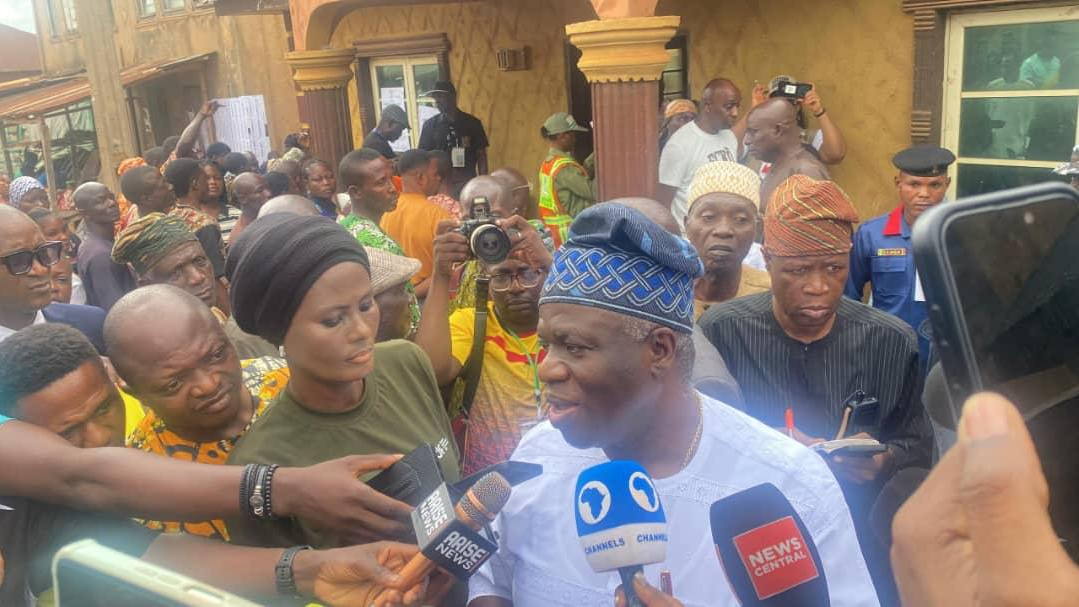
Dr. Wole Oluyede, the gubernatorial candidate of the Peoples Democratic Party (PDP) in Ekiti State, is no stranger to the harsh realities of Nigeria's electoral process. As he cast his vote in Osaguru Hall, unit 6, ward 3, Ikere-Ekiti, he expressed deep concerns about voter intimidation and delays in the accreditation and voting process. The stakes are high for Dr. Oluyede, as his chances of winning the governorship seat seem to be slipping through his fingers with each passing minute. His frustrations are palpable, and his words are laced with a sense of disappointment and disillusionment with the system. Despite his party's efforts, the process appears to be rigged against him, and he's not afraid to speak out against it.
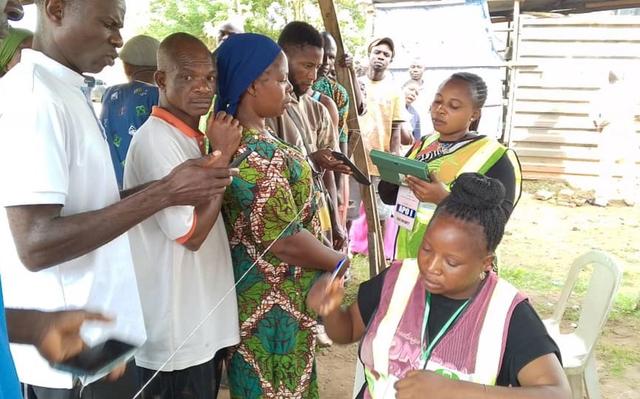
According to Dr. Oluyede, over an hour after polling commenced, only a handful of voters had been processed in his polling unit. This pace is unacceptable, especially when compared to other areas where voters are being harassed by security operatives. He claims that at the polling unit where the deputy governor votes, there's an "army of policemen" intimidating voters, while in his own unit, there's a paltry presence of security personnel. This disparity is stark, and it raises questions about the fairness of the process. Dr. Oluyede has documented these incidents and plans to make the evidence public at an appropriate time.
Dr. Oluyede's allegations of voter intimidation and vote manipulation are not isolated incidents. They are symptomatic of a broader problem that has plagued Nigeria's electoral process for years. The Independent National Electoral Commission (INEC) has faced criticism for its handling of past elections, and the current process is no exception. The use of unofficial vehicles by security operatives to intimidate voters is a disturbing trend that undermines the credibility of the electoral process. It's a pattern that has been observed in other areas, and it's evidence of the systemic failures that plague Nigeria's democracy.
Given the history of electoral manipulation in Nigeria, Dr. Oluyede's allegations have fallen on deaf ears. INEC has consistently denied similar allegations in the past, and it's likely that they'll do the same in this case. However, the consequences of such actions are far-reaching and devastating. They erode the trust of voters and undermine the legitimacy of the electoral process. It's a vicious cycle that perpetuates itself, and it's up to INEC to break it.
Forward-looking, the situation at Osaguru Hall is a microcosm of the broader challenges facing Nigeria's electoral process. Dr. Oluyede's allegations will likely be met with resistance from INEC, but they will also bring attention to the systemic failures that plague the process. It's a wake-up call for INEC to reform and ensure that the electoral process is free, fair, and credible. The stakes are high, and it's time for INEC to deliver on its promise of a free and fair election.