News
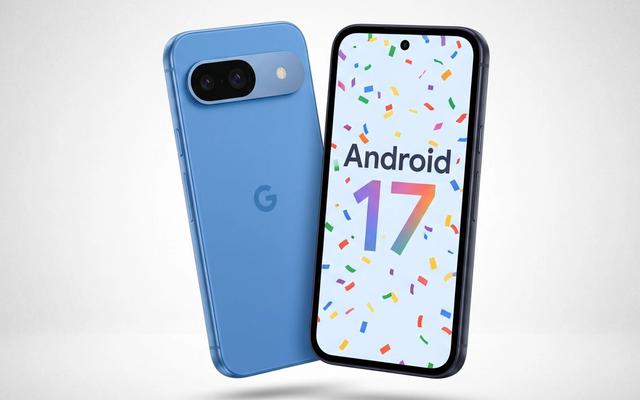
Every Android 17 feature coming to your phone in 2026
The Cinnamon Bun Revolution: How Android 17 Will Transform Your Phone In a world where technology is advancing at breakneck speed, it's easy to get lost in the noise.
In a world where technology is advancing at breakneck speed, it's easy to get lost in the noise. But when Google unveiled Android 17, codenamed Cinnamon Bun, at The Android Show on May 12, 2026, it marked a significant turning point in the evolution of mobile operating systems. As we eagerly await the stable version's rollout to Pixel devices in June or July 2026, with Samsung, OnePlus, Xiaomi, and other brands following suit later in the year, it's essential to separate the hype from reality.
Android 17's most striking feature is undoubtedly the new design language, Material 3 Expressive. Gone are the days of stark, angular lines; instead, Google has opted for a frosted glass effect that brings a touch of elegance to the entire system. When you press the volume button, the slider becomes translucent, allowing your wallpaper to shine through. This design shift is also reflected in the power menu, Quick Settings panel, notification shade, home screen folders, and widget picker, creating a seamless, immersive experience. The Dynamic Color theme further enhances this effect, tinting the frosted glass with a subtle hue that complements your wallpaper.
In addition to the revamped design, Android 17 introduces springier, more natural animations powered by physics-based motion. This subtle yet significant change creates a more engaging, responsive experience, making interactions feel more intuitive. The new icon shapes and heavier, bolder typography further reinforce this shift, imbuing the interface with a sense of depth and visual appeal. It's a nod to the growing importance of aesthetics in mobile design, where form and function are increasingly intertwined.
Google has also made strides in improving the dark mode experience with the introduction of a per-app dark theme toggle. This feature allows users to exempt specific apps that, let's face it, often look broken in dark mode. Mandatory auto-theming for third-party apps is another significant change, as Google has required all apps on the Play Store to supply themed icons. For those holdouts, Android auto-generates one, ensuring a more consistent visual experience across the board.
According to a 9to5Google report from May 12, 2026, a color picker with four presets is in the works. These presets include Neutral (gray tones), Soft (subtle colors), Bright (more vibrant), and Bold (a mix of colors throughout), plus a slider to set any accent color independent of your wallpaper. While these features are not confirmed for the first stable Android 17 release, they are likely to arrive in a later quarterly update. It's an intriguing prospect, as a well-designed color scheme can elevate the entire user experience.
So, when can you expect Android 17 to roll out to your device? The wait is almost over, with Pixel devices set to receive the stable version in June or July 2026. Samsung, OnePlus, Xiaomi, and other brands will follow suit later in the year. However, it's essential to note that Gemini Intelligence, the headline AI upgrade, is locked to 2026 flagship devices with 12GB or more of RAM. If you own a mid-range phone or the Pixel 9, you might not qualify for all the features Android 17 has to offer.
As we await the arrival of Android 17, it's clear that Google is pushing the boundaries of what's possible in mobile design. The Cinnamon Bun revolution is more than just a new look; it's a fundamental shift in the way we interact with our devices. With its frosted glass effect, springier animations, and bolder typography, Android 17 is poised to transform the mobile landscape. Will it live up to the hype?The Android 17 rollout will be a significant milestone in the evolution of mobile operating systems. With its innovative design language, improved dark mode experience, and potential color picker feature, Android 17 has the potential to elevate the user experience. As a writer, I'm eager to see how this new era for Android will unfold, and what it will mean for the future of mobile design.