Politics
Inside the Akpabio-Oshiomhole rift over 11th senate leadership
A Senate President Under Pressure: What the Akpabio-Oshiomhole Rift Reveals Godswill Akpabio, the Senate President of Nigeria's National Assembly, finds himself at the centre of a brewing storm.
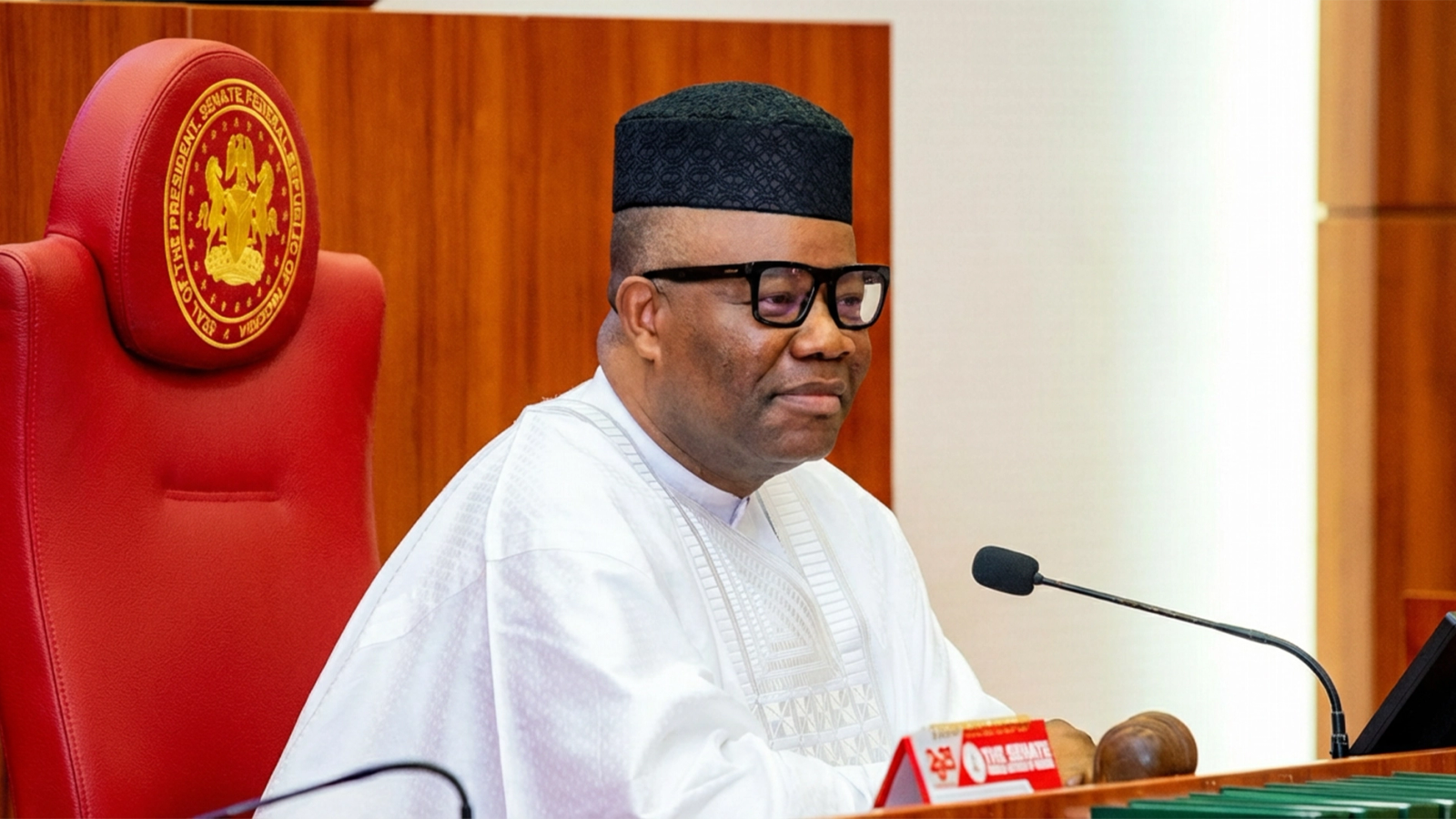
Godswill Akpabio, the Senate President of Nigeria's National Assembly, finds himself at the centre of a brewing storm. The increasingly tense relationship between him and Senator Adams Oshiomhole has raised concerns about the future balance of power within the Senate. As Nigerians prepare for the 2027 general election, the rivalry between these two influential figures serves as a harbinger of the intense power struggles that may unfold in the 11th Senate. The controversy centres on Oshiomhole's comments regarding the suspension of Senator Natasha Akpoti-Uduaghan and the Senate report that recommended her six-month suspension. The matter has generated considerable anger within the Senate leadership, with Senate spokesman Yemi Adaramodu hinting that the upper chamber may examine the remarks and determine an appropriate response.
The numbers game plays a significant role in Nigerian politics, and the emerging lineup for the 11th Senate is no exception. With several experienced lawmakers, including Senate President Godswill Akpabio, Deputy Senate President Barau Jibrin, and former Senate Leader Ali Ndume, set to participate, the competition for influence and power is likely to be fierce. The inclusion of former Delta State governor Ifeanyi Okowa and Imo State Governor Hope Uzodinma in the emerging lineup further underscores the intensity of the rivalry. These politicians, many of whom have secured tickets to return to the chamber or make a comeback after years in executive office, will be vying for position in the 11th Senate. The stakes are high, and the outcome will have far-reaching implications for the future of Nigerian politics.
As one of the most influential and outspoken members of the ruling All Progressives Congress (APC), Senator Adams Oshiomhole's influence cannot be overstated. His comments regarding the suspension of Senator Natasha Akpoti-Uduaghan and the Senate report that recommended her six-month suspension have sparked a chain reaction, with many observers believing the dispute extends far beyond parliamentary procedure. The controversy has brought into sharp focus the growing tension between Senate President Godswill Akpabio and Oshiomhole, with many speculating that sanctions may be considered against the former national chairman of the APC. This development is significant, as it suggests that Oshiomhole's influence extends beyond the APC and into the broader Senate leadership.
The emerging lineup for the 11th Senate is a manifestation of a broader industry movement: the rise of the experience factor. In a country where politics is often about personality and charisma, experience is becoming an increasingly valuable commodity. The inclusion of seasoned politicians, such as Akpabio, Jibrin, and Ndume, suggests that voters are prioritizing experience and stability over youthful energy and idealism. This shift has significant implications for the future of Nigerian politics, as it suggests that the country is moving towards a more mature and experienced leadership.
As the emergency session of the Senate convenes on Tuesday, the stage is set for a dramatic showdown between Senate President Godswill Akpabio and Senator Adams Oshiomhole. The outcome will have far-reaching implications for the future of Nigerian politics, and it is likely that the 11th Senate will be shaped by the intense power struggles that are unfolding.The 11th Senate will be one of the most experienced assemblies in Nigerian history, with a lineup that includes seasoned politicians from across the country. The competition for influence and power will be fierce, and the outcome will have significant implications for the future of Nigerian politics. As the drama unfolds, one thing is clear: the stakes are high, and the future of Nigerian politics is hanging in the balance.