News
Karamot Akinyera: Has Inflation Made Healthy Eating Expensive and Difficult?
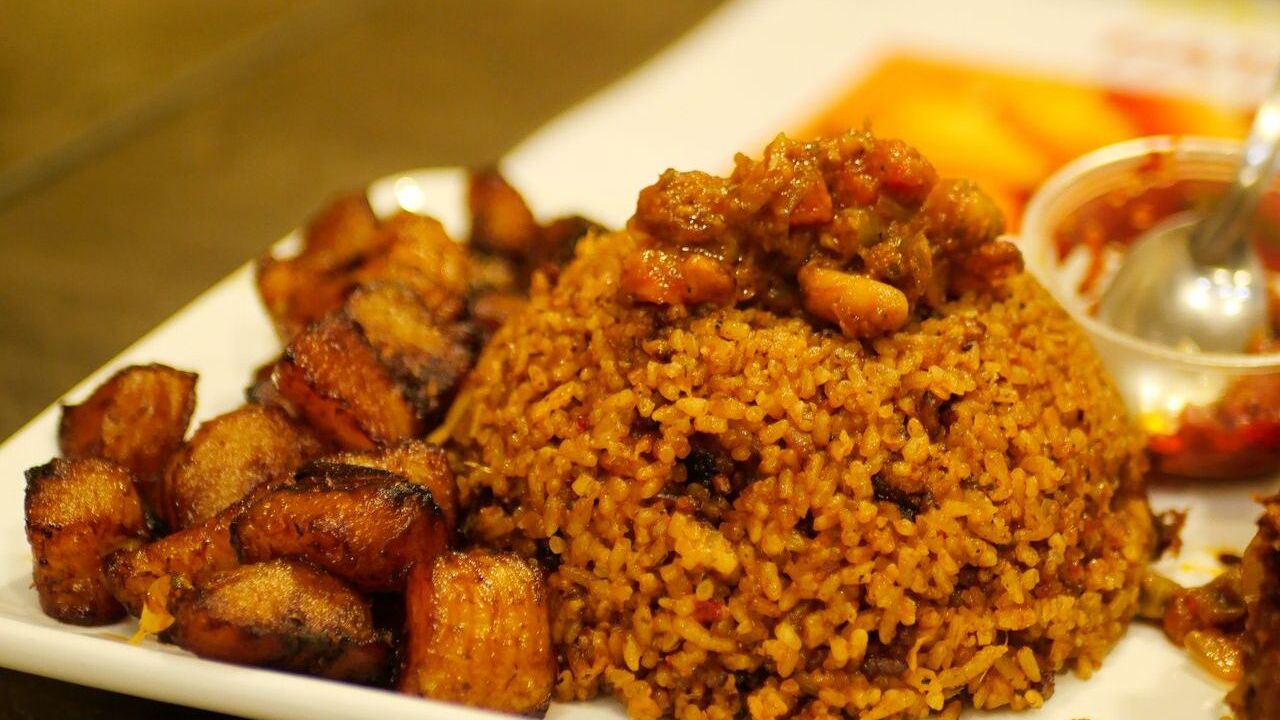
Karamot Akinyera, a registered nutritionist, has a personal account of navigating the challenges of food inflation. She recalls her days as a student trying to decide what to eat without compromising her health, a struggle that has become a reality for many Nigerians today, including middle-income families. This is a story about food inflation, but most importantly, it's about the misconception that healthy eating is only for the wealthy.
The narrative surrounding healthy eating in Nigeria is complex, and it's easy to get caught up in the idea that only expensive foods are nutritious. However, as Karamot Akinyera highlights, this is far from the truth. The reality is that food inflation has changed the way many Nigerians eat, with even middle-income families having to think twice before buying meat, fish, or eggs. It's a struggle that is not just about budget constraints but also about the cultural perception of healthy eating.
One of the most striking aspects of Karamot Akinyera's account is the emphasis on local foods. These are the foods that have nourished Nigerians for generations, long before the concept of "healthy eating" became associated with imported foods and expensive ingredients. The irony is that many of these local foods are affordable, but we overlook them because of their perceived status as "foods for low-income households." This is a misconception that needs to be challenged, as these foods are just as nutritious as their imported counterparts.
The consequences of food inflation go beyond just the individual; they have a ripple effect on families and communities. As Karamot Akinyera notes, mothers in the market are trying to reduce the price of tomatoes, pepper, and other ingredients by every possible naira. This is a reflection of the economic pressure that many Nigerians are facing, and it's not just about budget constraints but also about the desire to eat healthy. The problem is not just the rising cost of food but also the myth that healthy eating is only for the wealthy.
Karamot Akinyera's story is a call to action for Nigerians to rethink their approach to healthy eating. It's time to break free from the misconception that expensive foods are the only ones that are nutritious. By embracing affordable nutrition, we can make informed choices that give our bodies the nutrients they need, without breaking the bank. This is not about sacrificing taste or quality but about being mindful of our choices and the impact they have on our health and our economy.
As Karamot Akinyera's story shows, there is hope for a brighter future of healthy eating in Nigeria. By acknowledging the challenges of food inflation and challenging the misconception that healthy eating is only for the wealthy, we can work towards a more inclusive and sustainable approach to nutrition. This is a story that needs to be told, and it's a story that has the potential to change the way Nigerians think about healthy eating.
The reality of food inflation in Nigeria is complex, but it's also a call to action. We can no longer afford to ignore the challenges that many Nigerians are facing when it comes to eating healthy. By embracing affordable nutrition and challenging the misconception that healthy eating is only for the wealthy, we can create a brighter future for our health, our economy, and our communities.