News
Kenya's new tax proposals threaten M-KOPA, Sun King phone assembly plants
Kenya's Finance Bill 2026 has proposed a series of tax changes that could decimate the very industry it has spent years cultivating.
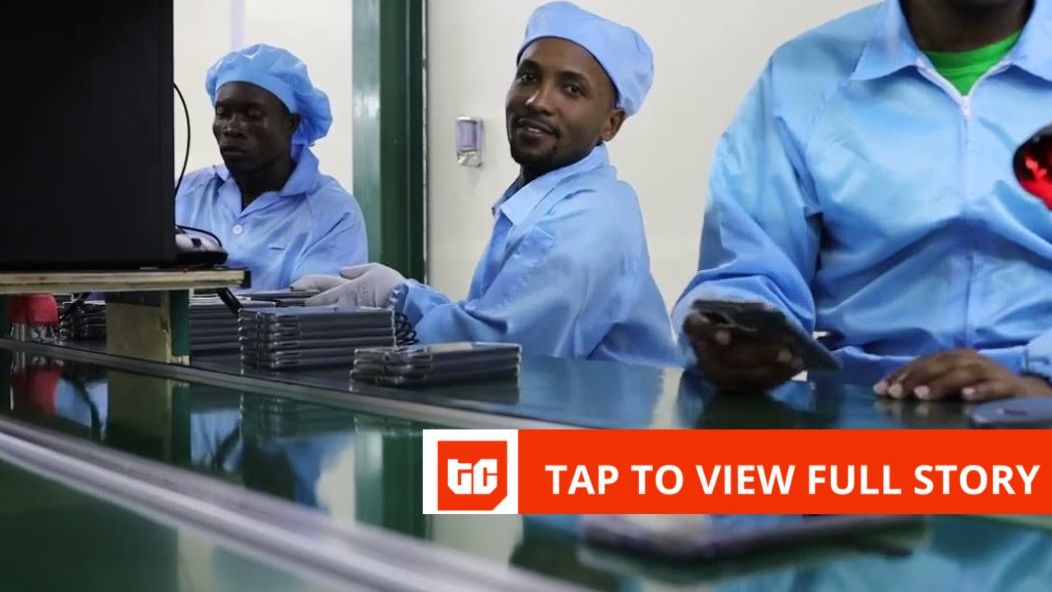
Kenya's Finance Bill 2026 has proposed a series of tax changes that could decimate the very industry it has spent years cultivating. For M-KOPA's 500 workers, the stakes are high: their jobs are under threat, and the company's pay-as-you-go financing model may no longer be viable if device prices skyrocket.
The proposed tax changes are a bitter pill for local manufacturers like M-KOPA and Sun King. Kenya's Finance Bill 2026 removes the zero-rated VAT status enjoyed by locally assembled phones, imposing a 25% excise duty on domestically manufactured devices. This will raise device prices by KES 2,500 ($20), potentially pricing out the very consumers who have driven the growth of local assembly. The industry has warned that this will erase the competitive advantage that attracted investment into local assembly, and could lead to factory closures and job losses.
The Bill also exempts imported finished phones from the Import Declaration Fee and the Railway Development Levy, without extending similar relief to imported components. This will leave local manufacturers facing higher production costs than their foreign competitors. M-KOPA, which has manufactured over 3.5 million devices since launching local production in 2023, will struggle to compete with imported handsets that are now cheaper to bring into the country.
Kenya's Finance Bill 2026 threatens to undermine an industry it deliberately nurtured through the Finance Act 2022, which introduced zero-rated VAT on locally assembled phones to attract manufacturers and lower smartphone prices. The industry warns that the proposals could lead to factory closures, job losses, and undermine Kenya's digital economy ambitions. Sun King, which has invested heavily in local manufacturing, may be forced to rethink its strategy if the tax changes go ahead.
The proposed tax changes will prevent local assemblers from recovering tax paid on components, spare parts, electricity, and other production inputs. These costs could be passed on to consumers, raising device prices and potentially pricing out the very consumers who have driven the growth of local assembly. The changes to VAT will also require companies to reverse previously claimed input VAT on inventory already in stock, potentially putting pressure on working capital. This will be a difficult pill to swallow for companies like M-KOPA and Sun King, which have invested heavily in local manufacturing.
The proposed tax changes in Kenya's Finance Bill 2026 are a recipe for disaster for local manufacturers like M-KOPA and Sun King. The industry has warned that the proposals could lead to factory closures, job losses, and undermine Kenya's digital economy ambitions. Unless the government reverses these changes, Kenya's nascent electronics manufacturing industry may never recover.
More stories you'll like

News
Harry Styles pays tribute to David Hockney and reflects on One Direction days as he kicks off record-breaking Wembley run

News
Ridiculously underrated thriller has Netflix chart in a chokehold after four weeks

News