News
Kids don't like video games and that's a massive problem: Reader's Feature
As I reflect on the changing landscape of the gaming industry, I am struck by the words of a concerned parent who recently penned a poignant piece in a British publication. Their experience, as they navigated the world of gaming with their own children, has left them with a nagging sense of unease about the future of the industry. It's a worry that's shared by many, but one that's often misplaced, or so it seems.
The parent in question is a self-proclaimed gamer, but one who has always taken a measured approach to introducing their children to the world of video games. They recall how their own kids, influenced by their love of Nintendo, grew up playing a variety of games, from Mario to Zelda. This was a deliberate choice, one that aimed to expose them to a range of experiences, rather than simply pushing their own interests onto them. The result was a group of children who, like their parents, had a healthy appreciation for gaming, but didn't feel the need to define themselves solely by it.
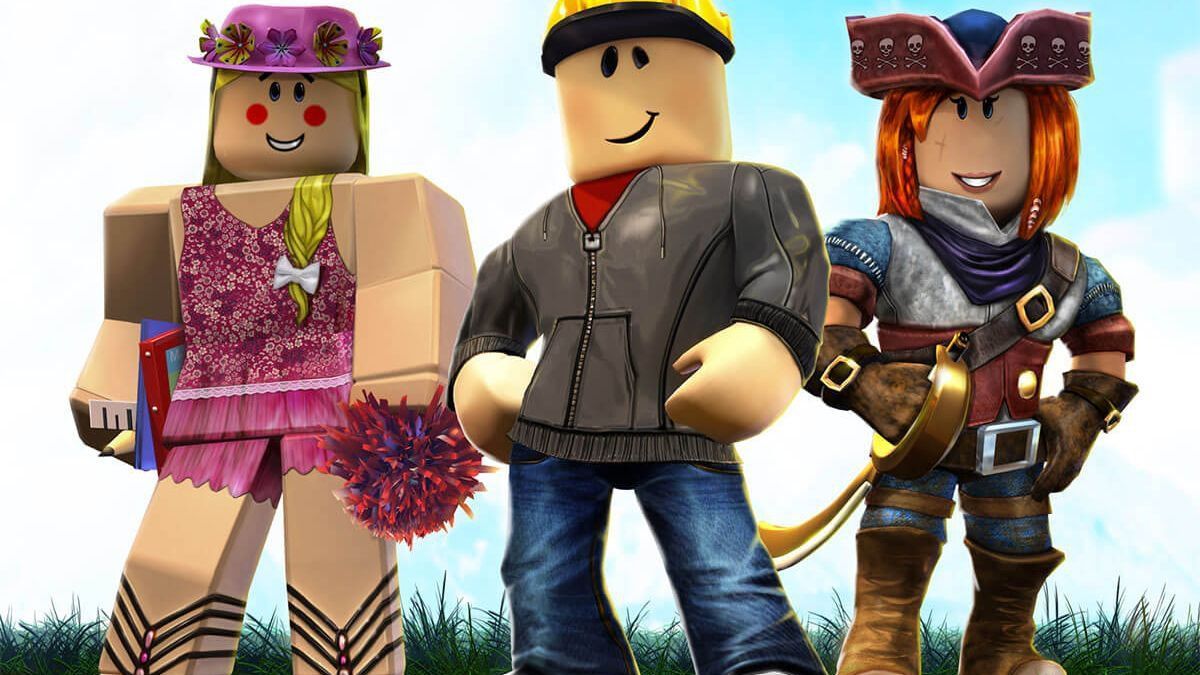
However, the parent's observations also highlight a disturbing trend, one that's all too prevalent in today's gaming landscape. It seems that many children are no longer playing console or PC games in the same way that their parents did. Instead, they're gravitating towards mobile games, such as Minecraft and Roblox, which are often accessed through phones, tablets, and laptops. It's a shift that's not only changing the way we play games, but also the types of games that are being created.
The parent's piece also touches on a rather interesting phenomenon, one that's all too familiar gaming. It appears that some parents are not only aware of this trend, but are also actively contributing to it. By not providing their children with access to console or PC games, and instead simply giving them a phone or tablet to play with, they're inadvertently shaping the gaming habits of the next generation. It's a strange kind of parental neglect, one that's often justified by the need to 'keep kids safe' or 'encourage creativity'. But the truth is, it's simply another example of how we're failing to provide our children with a well-rounded gaming experience.
As the parent so astutely points out, this trend has serious consequences for the gaming industry as a whole. By prioritizing mobile games over console and PC titles, we're creating a market that's driven by short-term gratification and instant entertainment. It's a market that's less concerned with quality, storytelling, and innovation, and more focused on generating quick revenue and clicks. And it's a market that's ultimately going to suffer as a result.
So what does this mean for the future of gaming? It's hard to say, but one thing is certain, we need to take a step back and re-evaluate our approach to gaming. We need to start providing our children with a more balanced gaming experience, one that includes a mix of console, PC, and mobile games. We need to encourage creativity, innovation, and storytelling in our games, rather than simply relying on quick fixes and instant gratification. And we need to support the developers who are trying to create games that truly matter, rather than just churning out the same old mobile rubbish.
As I finish writing this piece, I'm left with a sense of unease, one that's shared by the parent who first raised this issue. We're at a crossroads, and the choices we make now will have a lasting impact on the gaming industry. Let's hope we choose wisely.