News
Ana Navarro Rips 'Pond Scum' Megyn Kelly for Attacking Christina Applegate Over MS Misdiagnosis
Christina Applegate’s battle with a misdiagnosed multiple sclerosis has become a lightning rod for political drama, and Ana Navarro’s retort to Megyn Kelly shows how quickly a celebrity health story can be weaponised. When a podcaster with a reputation for feeding outrage slams a star for “seeking attention,” the fallout is immediate: fans are divided, reputations are bruised, and the real questionhow far should public figures cross when they wield a health narrative for clicksremains unanswered.
Christina Applegate’s revelation on the MeSsy podcast, co‑hosted by Jamie‑Lynn Sigler, that she has been misdiagnosed with multiple sclerosis since 2021, was not a casual confession. She described the physical toll, the uncertainty, and the emotional wreckage of being told she had a disease that, she claims, she never truly had. Her words carried weight because they were spoken by a woman who has used her platform to advocate for others with chronic illness. Yet that very advocacy drew criticism from Megyn Kelly, who suggested Applegate was “seeking attention” and that her public persona was a stunt. Kelly’s comments were not isolated; they echoed a broader trend of celebrity health stories being turned into political ammunition.
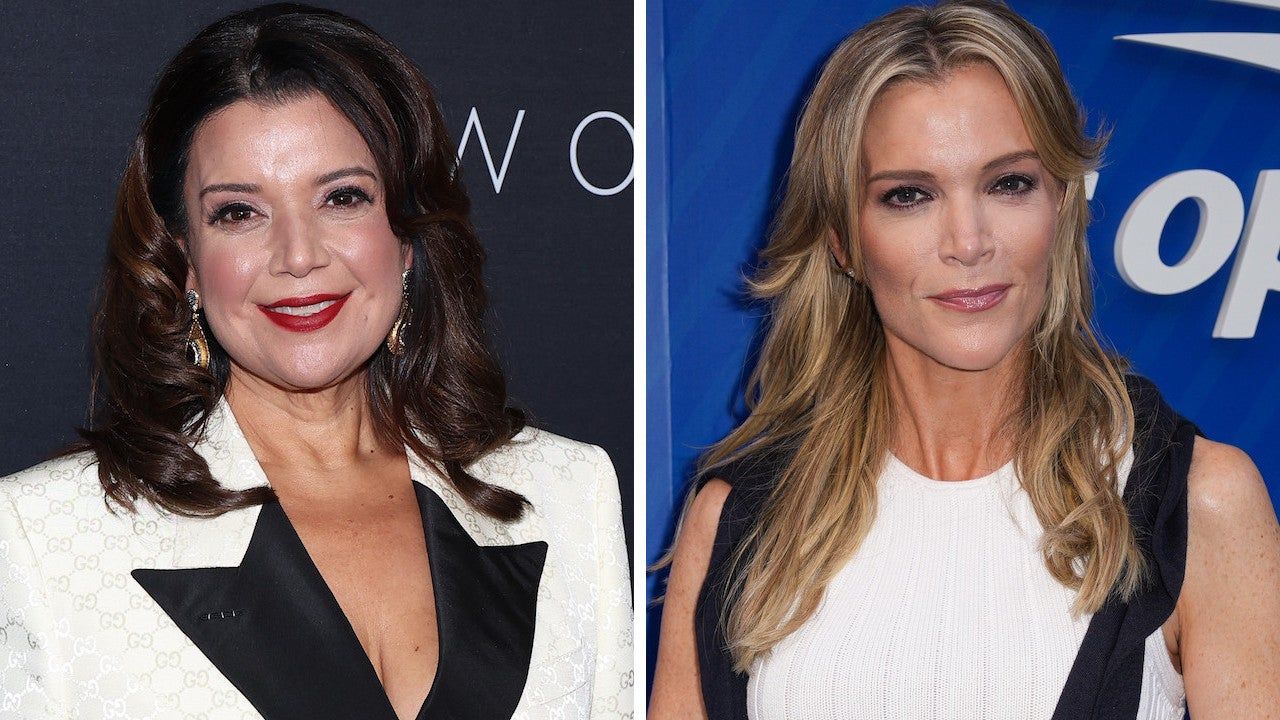
Ana Navarro, co‑host of The View, exploded on Behind the Table with a scathing rebuke of Kelly’s remarks. Calling Kelly “pond scum,” Navarro framed her opponent as an opportunist who thrives on outrage. Navarro’s own experienceher husband Al Cárdenas battling Parkinson’s diseaseadds personal gravity to her condemnation. She argued that Kelly’s attack was “extreme cruelty” and that it was “the most inhumane and cruel and easy way to get relevance.” Navarro’s rhetorical fire was aimed at a broader audience, warning against the temptation to weaponise a person’s illness for political relevance.
Navarro’s use of the term “pond scum” is more than a punchy insult; it is a critique of a media ecosystem that rewards sensationalism over substance. She highlights a “genre of people” who live off outrage, creating drama to stay relevant. In a climate where political commentators often turn to celebrity scandals to generate traffic, Navarro’s condemnation signals a growing discomfort with the commodification of personal suffering. Her stance suggests that the public deserves a more respectful dialogue around health, one that does not reduce a person to a political tool.
The prevailing narrative in mainstream media is that celebrity health stories are neutral or even positive, raising awareness and fostering empathy. Navarro’s sharp rebuke complicates that view. She argues that when a commentator like Kelly frames Applegate’s struggle as “attention‑seeking,” it not only discredits the individual but also undermines the broader conversation about chronic illness. The implication is clear: the line between advocacy and exploitation is thin, and those who cross it for clicks risk eroding public trust in both media and the causes they purport to support.
Within the next year, we will likely see a measurable shift in how media outlets handle celebrity health disclosures. Audience backlash, amplified by voices like Navarro’s, may pressure platforms to adopt stricter guidelines that separate genuine advocacy from click‑bait. If this trend holds, the next wave of health‑related commentary will feature a more nuanced, empathetic tonean evolution that could redefine how public figures discuss their own or others’ medical journeys.
At the heart of this controversy lies a single truth: real people are hurt when their stories are twisted for political gain. Christina Applegate’s misdiagnosis is not a headline; it is a lived experience that has reshaped her life. Megyn Kelly’s comments, intended to spark debate, instead added another layer of pain to an already fragile situation. Ana Navarro’s intervention reminds us that the media’s duty is not to fuel outrage but to protect the dignity of those whose health stories are thrust into the spotlight. The next time a commentator considers reducing a medical journey to a talking point, they should remember that the cost is not just a headlineit's a human life.