News
La Liga: Spanish government launch investigation into Tebas over Real Madrid comment
The Spanish government is now looking at La Liga’s chief, Javier Tebas, after he rattled Real Madrid with a comment that crossed the line from rivalry to potential defamation.
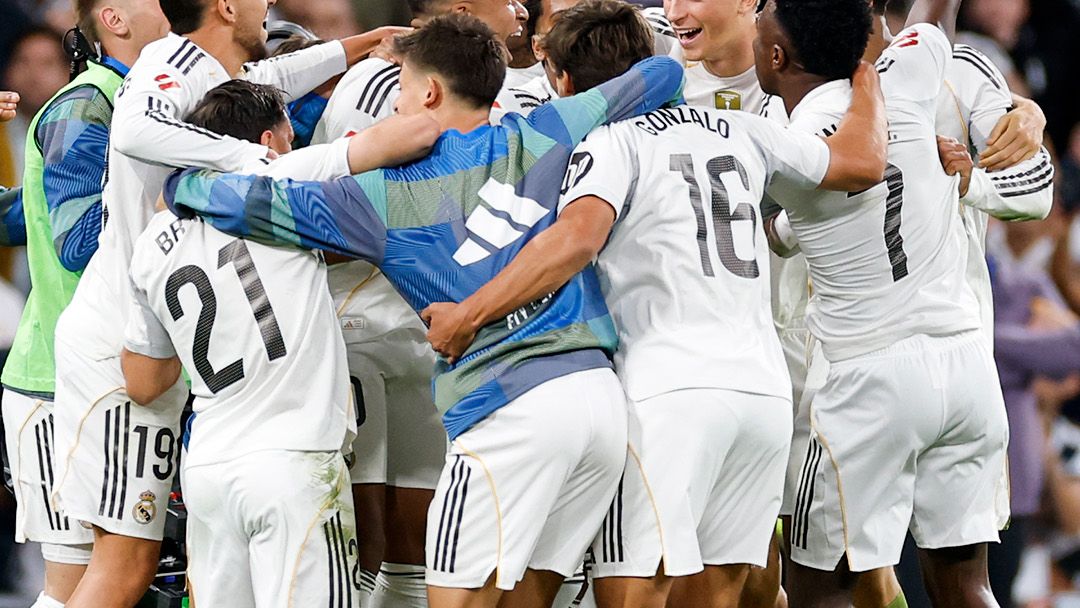
The Spanish government is now looking at La Liga’s chief, Javier Tebas, after he rattled Real Madrid with a comment that crossed the line from rivalry to potential defamation. For the players, staff and fans who live for the drama of the league, this is a warning that the political machinery will not tolerate a president who lets his temper dictate the narrative of the game.
Tebas, who has steered La Liga since 2013, has a history of public spats with Real Madrid’s president Florentino Pérez. His latest remark about the club has prompted the Spanish government to open an investigation and potentially file a complaint with the Administrative Tribunal for Sport (TAD). The tribunal could strip him of his position if the allegations prove serious enough. The government’s move signals that football is no longer a purely sporting arena; it is a political battlefield where words carry weight.
In Spain, the lines between sport and state are thin. The government’s intervention indicates that Tebas’ comment was seen as more than a heated exchange; it could be interpreted as a threat to the integrity of the league or an insult that undermines the sport’s reputation. The TAD is a powerful body that can impose sanctions, including disqualification, on anyone who breaches the code of conduct. By stepping in, the government is sending a clear message: La Liga’s leadership must act responsibly, or face the same scrutiny as any other public official.
If Tebas is disqualified, La Liga will have to appoint a new president mid‑season, potentially destabilising the league’s governance. Clubs that rely on a stable administrative structure may find themselves scrambling for new leadership. The move could also embolden other clubs to push back against perceived bias, sparking a wave of legal challenges that could slow down the league’s operations. Moreover, the incident will likely influence how sponsors view the league, as brand safety concerns grow corporate partners demand clean governance.
Everyone’s quick to dismiss Tebas’ remark as a momentary flare‑up, but that overlooks the historical context. Real Madrid and La Liga have long been at odds, and the government’s intervention suggests that the comment may have crossed a threshold that previous disputes never did. The fact that the government is willing to pursue a formal complaint indicates that the comment could have legal ramifications, not just reputational damage. In a sports world where the line between competitive banter and defamation is razor‑thin, this case will set a new precedent for how far league officials can go before they face state‑level consequences.
Within the next six months, the TAD will likely rule on the complaint. If Tebas is found guilty, we will see a new era of stricter oversight over La Liga’s leadership. Clubs will be forced to adopt clearer codes of conduct for their executives, and the government may even consider legislation that limits the political influence of sports leagues. This could reshape the power dynamics between clubs, leagues, and the state across Europe.
The fallout from this investigation will reverberate far beyond the pitch, reminding everyone that in modern football, the stakes are not just silverware but also legal accountability and public trust.
More stories you'll like

News
Ana Navarro Rips 'Pond Scum' Megyn Kelly for Attacking Christina Applegate Over MS Misdiagnosis

News
'The Imaginary Invalid' Broadway Review: Bill Irwin Loses Something in Translation

News