News
Rottenheart's Kat Dunn on queering Hamlet and her favorite Gothic novels
The haunting of a 19th‑century London street is not just a backdrop for a queer retelling of Hamletit’s the pulse that keeps the story alive for a generation of readers who crave the uncanny.
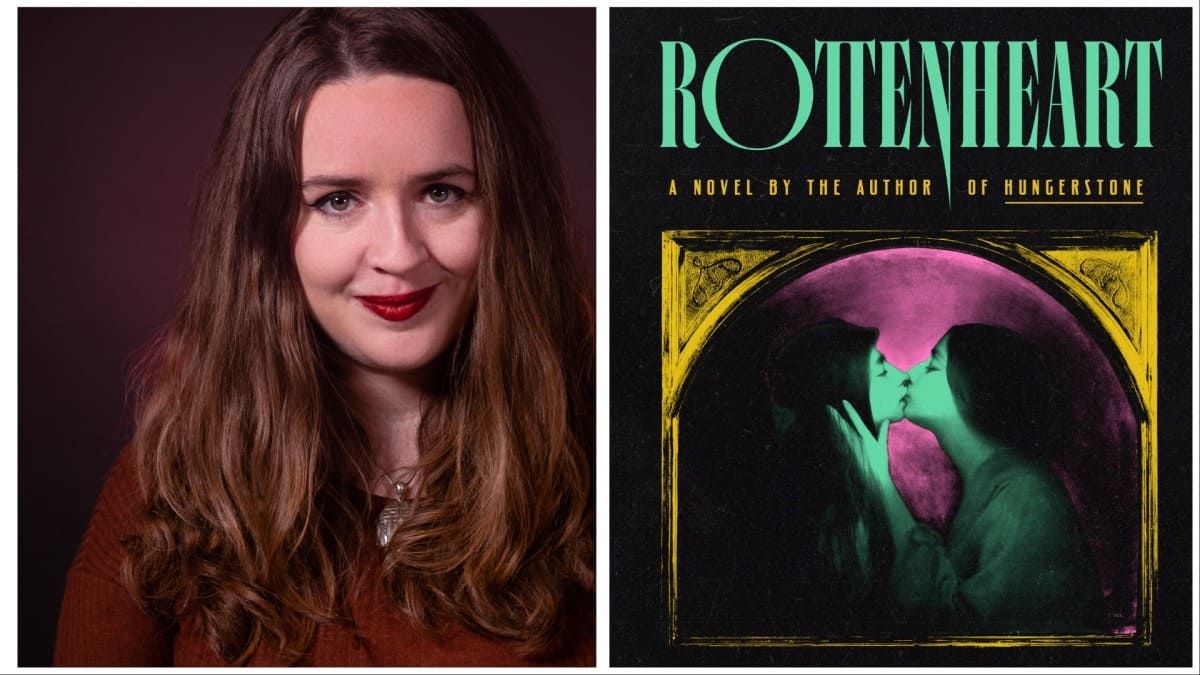
The haunting of a 19th‑century London street is not just a backdrop for a queer retelling of Hamletit’s the pulse that keeps the story alive for a generation of readers who crave the uncanny. Kat Dunn’s Rottenheart turns the classic tragedy into a Victorian‑era Gothic romance, anchoring the narrative in the lived experience of two young women navigating maternal loss and inherited trauma. For Odette, the ghost of her mother is not a spectral whisper but a call to agency, a demand for vengeance that forces her to confront the blurred line between grief and madness. The stakes are personal and universal: the novel asks who gets to decide what death looks like, and who gets to rewrite it.
Dunn’s decision to gender‑swap Hamlet and set it in the 1890s is more than a gimmick; it flips the power dynamics that have long been locked in Shakespeare’s text. By making Odette the protagonist, the novel foregrounds female agency in a period when women’s voices were systematically silenced. The ghost’s insistence that Odette’s mother’s death “was not as it seemed” subverts the patriarchal narrative that often reduces women to passive victims. Instead, Odette is thrust into a role that demands she interrogate her own grief and the societal expectations that bind her. This shift is not merely cosmetic; it reframes the entire tragedy, turning it into a story about reclaiming one’s narrative in the face of institutional oppression.
The blending of Gothic tropes with Shakespearean drama is not accidental. Both genres thrive on the interplay of the supernatural and the psychological. The ghost in Rottenheart mirrors the spectral presence in Hamlet, but the Victorian setting amplifies the claustrophobic atmosphere that defines Gothic literature. The “madness” of the original play, which in the past has been interpreted through a patriarchal lens, is now re‑examined through a queer female perspective, questioning whether madness is a symptom of trauma or a tool of resistance. The narrative’s fidelity to the core beats of Hamletbetrayal, revenge, and the moral cost of actionserves as a scaffold upon which the novel builds its new thematic concerns.
While some might dismiss a gender‑swapped retelling as a novelty, Rottenheart refuses to be reduced to a gimmick. The novel’s depth lies in its interrogation of motherhood and inherited trauma. The story does not simply transplant the plot of Hamlet into a new setting; it interrogates the very idea of what it means to be a mother in a society that criminalises female autonomy. By positioning the ghost as an agent of change rather than a passive reminder, Dunn invites readers to reconsider the role of maternal influence in shaping identity. The narrative challenges the conventional wisdom that a woman’s worth is tied to her reproductive role, suggesting instead that agency can emerge from the very grief that society seeks to silence.
If Rottenheart is any indicator, the next wave of Gothic retellings will increasingly foreground marginalized voices, especially queer and female perspectives. Publishers will likely seek out works that re‑imagine classic texts through lenses that challenge patriarchal narratives. In the coming years, we can expect more adaptations that not only recontextualise the plot but also interrogate the social structures that give rise to the original themes. This trend will reshape the genre, making it more inclusive and reflective of contemporary struggles.
The novel’s release has already sparked conversations about the relevance of Gothic literature in modern storytelling. By marrying the timeless appeal of Hamlet with the visceral intensity of Victorian Gothic, Kat Dunn has crafted a narrative that is as unsettling as it is empowering. The ghost’s call to revenge is no longer a mere plot device; it is a rallying cry for women who have long been silenced. As the literary world continues to evolve, Rottenheart stands as evidence of the power of reimagining the past to illuminate the present.
More stories you'll like

News
Ana Navarro Rips 'Pond Scum' Megyn Kelly for Attacking Christina Applegate Over MS Misdiagnosis

News
'The Imaginary Invalid' Broadway Review: Bill Irwin Loses Something in Translation

News