Politics
Google apparently draws the line at letting Trump rename an ocean
The Atlantic Ocean’s name is safe for now.
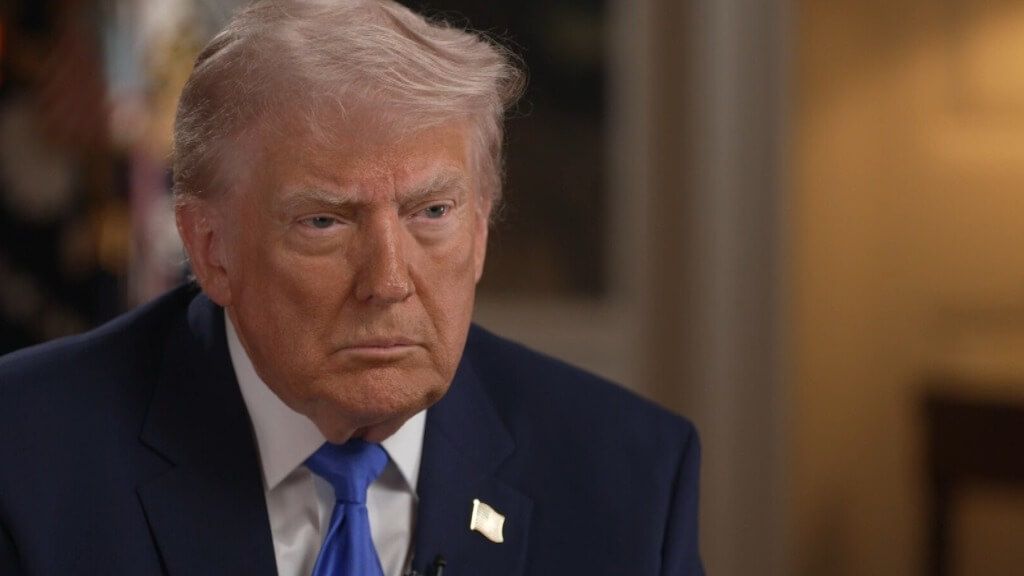
The Atlantic Ocean’s name is safe for now. Donald Trump, speaking at a Clemson University rally, floated a plan to rename the Atlantic and the Pacific, claiming his presidential powers could extend to geography. He said he had already renamed the Gulf of Mexico and Lake Ontario on Google Maps, and that he was “talking to Sundar Pichai” about the Atlantic. Pichai declined, citing the breadth of countries the ocean touches. Trump’s remarks, made in front of a crowd of mid‑term hopefuls, highlight a broader pattern of presidential grandiosity that often crosses into the realm of absurdity.
Trump first altered the Gulf of Mexico’s title during his first day in office in 2025, an executive order that sparked debate over the legitimacy of such renaming. The Associated Press refused to update its style guide, while Google complied and updated its maps. The same year, Trump renamed Lake Ontario on the same platform, again without official legislative backing. These moves were not isolated incidents; they illustrate a penchant for symbolic gestures that seek to cement a legacy through cartographic means.
When Trump approached Sundar Pichai about the Atlantic, the tech giant’s response was decisive: “No, no, no. This time I’m not doing it. Oceans are different, sir. They cover, really, a lot of countries. Please don’t ask us to do that.” Google’s stance reflects a broader policy of respecting internationally recognized geographic names. Unlike a gulf or a lake, an ocean spans multiple sovereign states, and unilateral renaming could provoke diplomatic friction. Google’s policy, therefore, is not merely a corporate preference but a recognition of the geopolitical weight that oceans carry.
The Associated Press, a cornerstone of journalistic standards, chose not to alter its stylebook following Trump’s Gulf renaming. This decision underscores the tension between political rhetoric and journalistic integrity. While tech platforms may be more flexible, mainstream media maintain stricter adherence to established nomenclature. The divergence between Google’s willingness to change a name and the AP’s reluctance to do so illustrates the split between digital cartography and traditional reporting.
Renaming geographic features is more than a cosmetic change; it is an act of ownership and narrative control. In the African context, colonial-era names still dominate maps, and recent movements to restore indigenous toponyms have gained traction. Trump’s attempts, though domestic, echo a global trend where leaders seek to rebrand landscapes to reflect national pride. The Atlantic, however, remains a shared heritage, and any unilateral claim would clash with the continent’s collective identity.
Given Trump’s admission that he “might pass on renaming the Atlantic” but threatens to rename the Pacific “the American Ocean,” it is plausible that the next push will target the Pacific. If the president follows through, Google may face a similar dilemma, balancing corporate policy against political pressure. However, the likelihood of a successful renaming remains low, given the Pacific’s extensive reach across Asia, Oceania, and the Americas.
The debate over the Atlantic’s name may seem trivial, but it reveals the intersection of politics, technology, and cultural identity. As I’ve observed in my decade-long coverage of Nollywood and global media, the battle over names is a microcosm of larger power struggles. The next chapter will likely see whether Trump’s ambitions extend beyond the United States or if the ocean’s title stays unchanged, preserving its universal identity for generations.