News
Martin Scorsese criticised for 'turning his back on human artists'
Martin Scorsese's endorsement of generative AI has sparked outrage among fellow filmmakers, with the Art Directors Guild accusing him of turning his back on human artists.
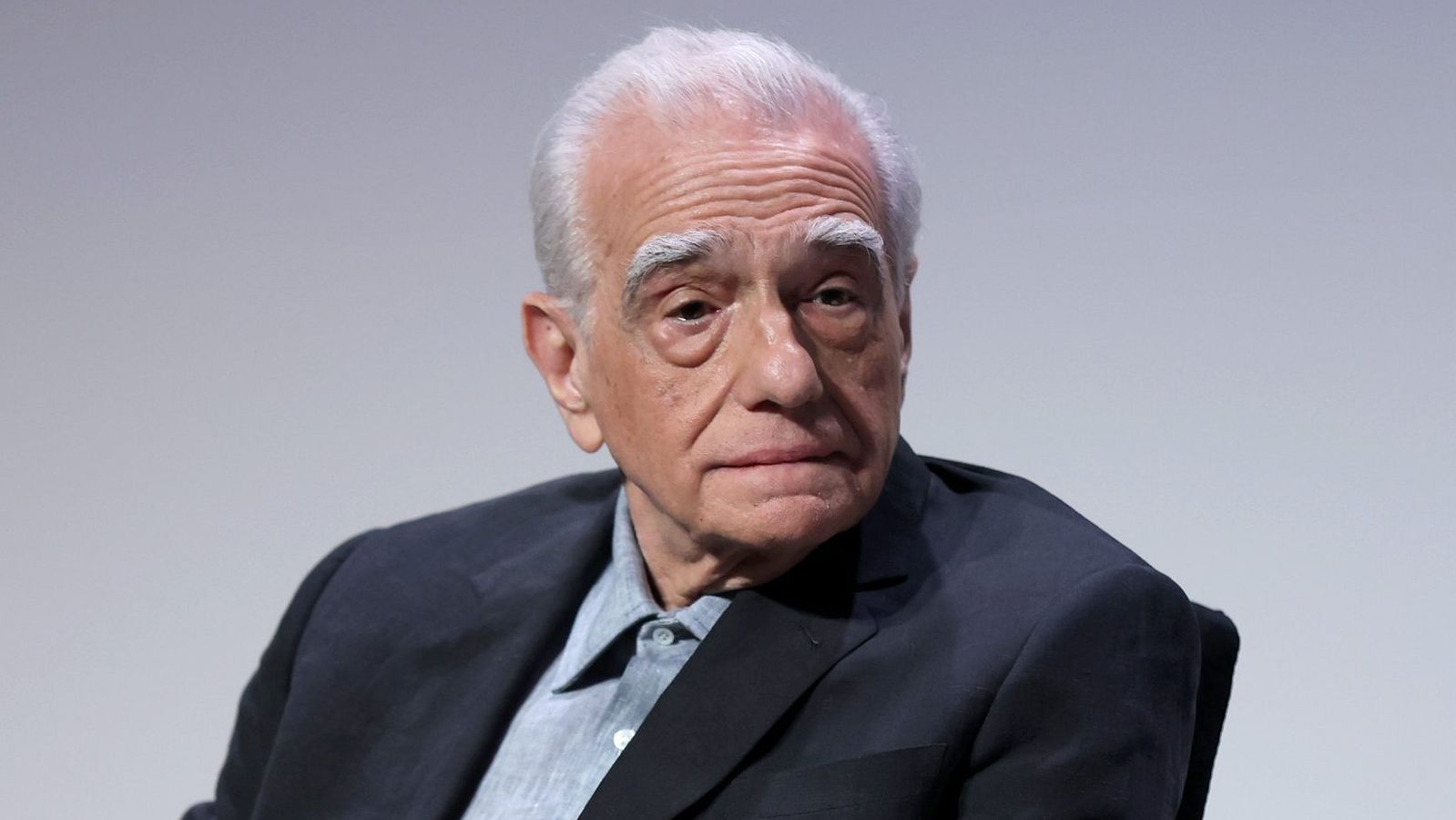
Martin Scorsese's endorsement of generative AI has sparked outrage among fellow filmmakers, with the Art Directors Guild accusing him of turning his back on human artists. This is not just a debate about the role of technology in storytelling; it's about the livelihoods of talented professionals who have worked tirelessly behind the scenes to bring iconic films to life. For Martin Scorsese, a director who has spent over six decades in the industry, the stakes are particularly high. His endorsement of FLUX AI, an image generation program developed by Black Forest Labs, has been met with fierce resistance from the very people who have helped him create some of his most memorable works.
The Art Directors Guild has released an open letter condemning Scorsese for promoting a product that they claim circumvents the work of talented professionals. The letter, addressed to Scorsese, begins with a nod to Black Forest Labs' FLUX AI system, saying "The Business is not in flux." It's a bold statement that highlights the guild's frustration with Scorsese's endorsement. The guild argues that generative AI is only capable of producing cinematic intelligence by ingesting large swaths of copyrighted work, likely scraped from the internet without consent, credit, compensation, or transparency. This raises serious questions about the ethics of using AI in the creative industry.
Scorsese's interest in the intersection of technology and storytelling is not new. In a promotional video for Black Forest Labs, he asks the question, "How do you communicate what you see in your head to your cast and crew?" It's a question that has puzzled directors for decades, and one that Scorsese believes can be solved with the help of generative AI. However, the Art Directors Guild sees this as a betrayal of the very artists who have helped him create his most iconic films. The guild argues that the use of AI in film production is not a solution, but rather a threat to the livelihoods of human artists and designers.
The use of generative AI in the creative industry has been a topic of controversy for some time. Earlier this year, the Academy confirmed that movies using generative technology for acting and writing would not be eligible for awards. This decision was seen as a major blow to the use of AI in film production. However, Scorsese's endorsement of FLUX AI has sparked a new wave of debate about the role of technology in storytelling. The Art Directors Guild's open letter is just the latest salvo in this ongoing controversy.
As the debate about generative AI continues to rage, one thing is clear: the consequences of embracing AI in film production will be far-reaching. If Scorsese's endorsement of FLUX AI is successful, it could lead to a seismic shift in the way films are made. Human artists and designers may find themselves replaced by AI, with potentially devastating consequences for their livelihoods. However, it's also possible that the use of AI in film production could lead to new and innovative forms of storytelling.## The Future of Film: Human Artists or AI?
As the controversy surrounding Scorsese's endorsement of FLUX AI continues to unfold, one thing is certain: the future of film is at a crossroads. Will we continue to rely on human artists and designers to bring our most iconic films to life, or will we turn to AI as a solution? The choice is not an easy one, but it's one that will have far-reaching consequences for the creative industry as a whole.
More stories you'll like

News
Harry Styles pays tribute to David Hockney and reflects on One Direction days as he kicks off record-breaking Wembley run

News
Ridiculously underrated thriller has Netflix chart in a chokehold after four weeks

News