News
Ogun 2027: Still a feisty contest between Ijebu and Yewa
As the 2027 governorship election inches closer, the air is thick with tension in Ogun State.
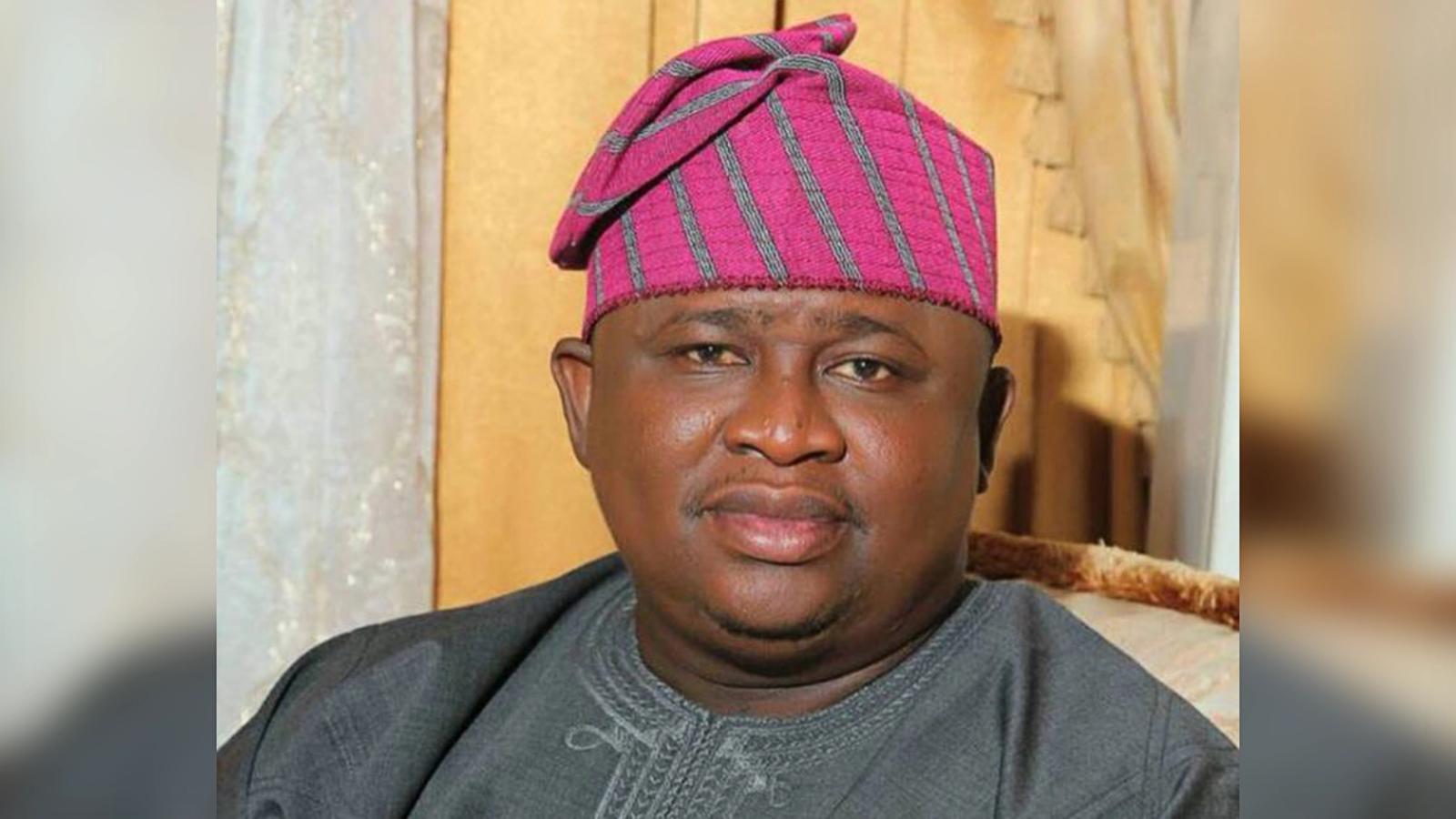
As the 2027 governorship election inches closer, the air is thick with tension in Ogun State. What began as a quiet murmur about power rotation has ballooned into a full-blown debate that has the state's ethnic blocs, Egba, Ijebu, Remo, and Yewa (Egbado), at odds with each other. The debate has become so intense that it now overshadows party ideology in the minds of many.
With the Ijebus staking their claim to the governorship, the Yewas are adamant that they have been unfairly excluded from the rotation. It's a stance that has some historical basis, since the state's creation in 1976, the Yewa people have yet to produce a governor. The contrast with Ijebu, which has produced three governors despite being part of Ogun East Senatorial District, couldn't be starker. For the Yewas, this is a matter of historical justice. They see themselves as the only major bloc that has been left out of the power-sharing equation. As they see it, their decades-long participation in politics has been a mere spectatorship.
On the other hand, the Ijebus argue that they have been unfairly denied the governorship since the advent of the Fourth Republic in 1999. They point to the fact that the last Ijebu governor, Chief Olabisi Onabanjo, served during the Second Republic. That, they say, was a long time ago, and it's time for them to have another shot. The Ijebus also argue that their exclusion from the governorship is not about power rotation but about merit, that the best candidate should win, regardless of their ethnic bloc.
While the Egba and Remo axis have dominated the governorship since the Fourth Republic, it's true that the pattern has been one of exclusion. The Egba bloc has produced two governors, Chief Olusegun Osoba and Senator Ibikunle Amosun, while the Remo bloc has produced two as well, Gbenga Daniel and Prince Dapo Abiodun. The Yewa bloc, on the other hand, has been left out entirely. This has led to growing resentment among the Yewa people, who see themselves as being unfairly excluded from the power-sharing equation.
As the election draws closer, it's clear that the power rotation debate is far from over. While the Ijebus and Yewas continue to duke it out, the stakes are high. The election is not just about who wins, but whose turn it is to govern. The Yewa people are watching closely, and it's unclear how they will react if their demands for inclusion are ignored.
The Ogun State governorship election is shaping up to be a complex contest. With ethnic blocs at odds over power rotation, it's unclear how the parties will navigate this issue. The Ijebus and Yewas are unlikely to back down, given the historical context. As the campaign heats up, it will be interesting to see how the parties address this critical issue.
It's hard to predict how the election will play out, but one thing is certain: the power rotation debate will continue to simmer until a resolution is found.