News
Rachel Chinouriri embraces her party girl past on 'I Think I Spoke Too Soon': "I don't have to demonise that experience"
Rachel Chinouriri admits her past as a “party girl” was a coping mechanism that left her haunted the next day.
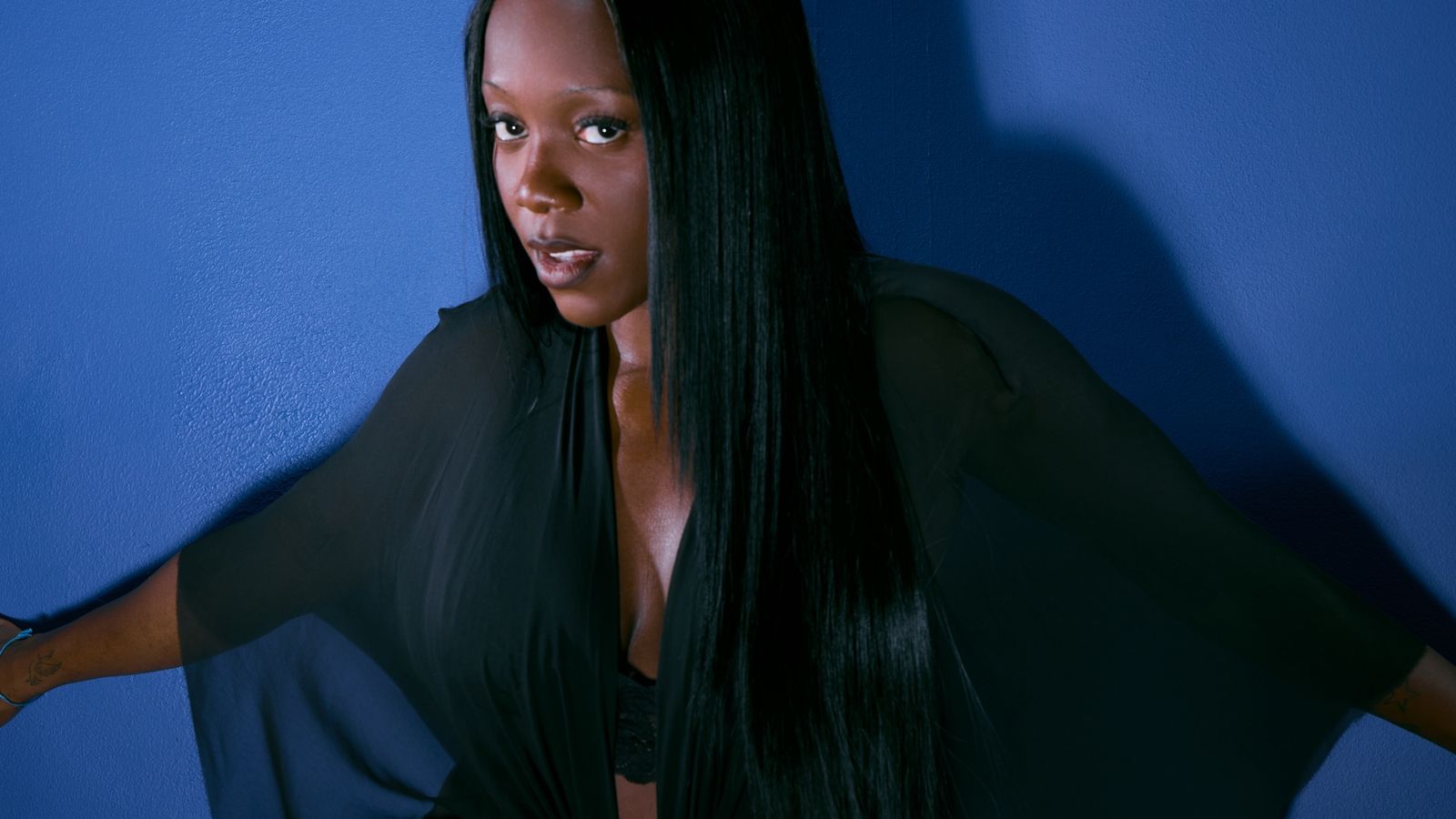
Rachel Chinouriri admits her past as a “party girl” was a coping mechanism that left her haunted the next day. In London, she now sits on a teal‑blue couch, surrounded by plants and books, and reflects on the anxiety that followed nights of drinking. The reality is that her new album, I Think I Spoke Too Soon, is less about glittering dancefloors and more about untangling that identity.
The first track she wrote, “The Good Fight,” is a confession: “I’m with the friends I hate, and it’s me questioning why I drink and enjoy this submersion into something which at the time I thought was cool.” She recognises that the party lifestyle was a shield against deeper fearslosing friends, not being popular, or confronting the person she truly is. This honest self‑inspection is the engine that powered her second album. By the time the final song was finished, she had been sober for over a year.
Her debut, What a Devastating Turn of Events, catalogued outward relationshipsfamily, romance, the world. The follow‑up turns inward, with twelve tracks charting a new awareness. It is a journey from “who I am not” to “who I am.” The album’s narrative mirrors the trajectory many creatives experience: initial success fuels a frantic pace, then a realization that the hustle must be balanced with self‑care. She says, “My career and my life is so full and abundant, and it’s very busy.” Yet, she reframes that busyness as the life she asked for, not a trap.
The obvious narrative is that partying is a fun, carefree escape. But Rachel’s experience complicates that story. She notes that “hangovers and exhausted mornings made touring harder,” but also that success itself pushed her to sobriety. The pressure to maintain a public persona can be more damaging than the alcohol itself. In a music industry that celebrates excess, her candidness is a breath of fresh air.
I predict that within the next 12 months, at least three UK‑based artists will release introspective albums that confront their own party‑culture pasts. Rachel’s transparency sets a precedent: success does not require self‑destruction, and the industry will slowly shift to value mental health over midnight revelry.
Fans who have watched Rachel’s rise now get a window into the real cost of fame. Her story underscores that the “glittering comedown” is not just a metaphor; it is a tangible struggle. When the industry rewards excess, the people behind the music pay the price. By owning her past, Rachel offers a roadmap for anyone who has used partying as a mask.
The next time you hear a track from I Think I Spoke Too Soon, listen for the quiet truth behind the dance beat. The album is a reminder that the real party is the one we hold inside, not the one we throw outside.