News
Rita Chidinma: The Vulnerability Gap in Modern Motherhood
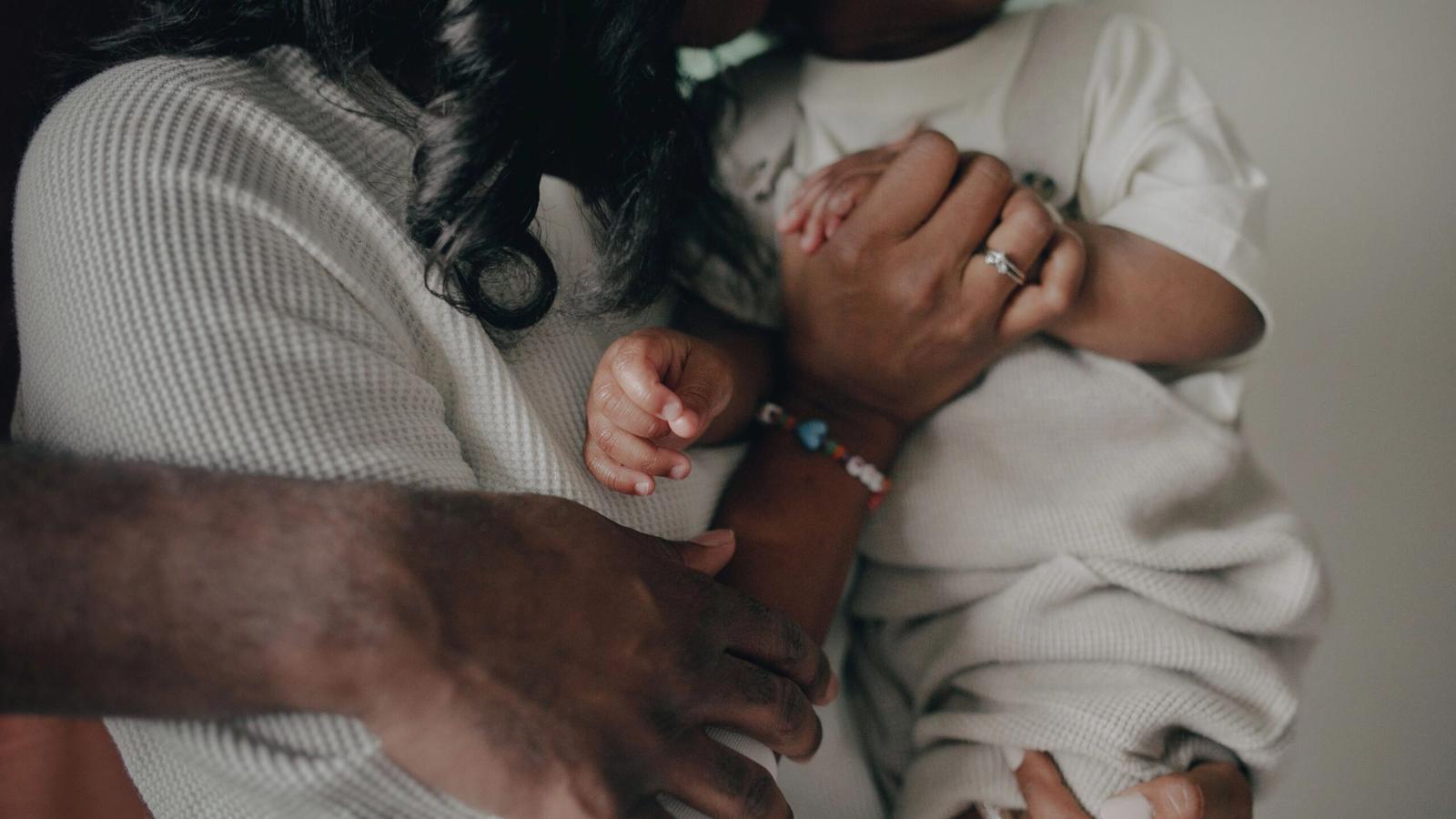
As Rita Chidinma delves into the complexities of modern motherhood, one story stands out - that of Amaka, a mother who found herself crying on the kitchen floor, overwhelmed by the demands of caring for her baby. The image of Amaka, surrounded by the chaos of her life, is a stark reminder of the vulnerability gap that many mothers face in their marriages. This gap is not about a lack of love or support from their partners, but rather about the emotional safety and freedom to be themselves, flaws and all.
In many marriages, women like Amaka are expected to be the emotional pillars, always composed and put together. They are the ones who manage the household, care for the children, and maintain a sense of normalcy in the face of chaos. This emotional labour is often invisible, but its impact is not. When Amaka's husband asks her what's wrong, she says "nothing," reinforcing the unspoken rule that she must be strong, even when she's not. This expectation can lead to feelings of isolation and disconnection, as Amaka's husband is not the person she feels safest with.
In contrast, Amaka feels free to be vulnerable with her sister, sharing her fears, doubts, and emotions without fear of judgment. This sisterly bond is a crucial aspect of Amaka's emotional support system, one that allows her to process her feelings and emotions without the pressure of being strong. The fact that Amaka's sister listens without interrupting, laughing or sighing, underscores the importance of empathy and understanding in emotional support.
Amaka's story raises important questions about the expectations placed on women in modern society. Why do we expect women to be the emotional pillars of their families, while men are often allowed to be vulnerable and emotional? The answer lies in our societal norms and expectations, which often perpetuate a culture of masculinity that values strength and stoicism over emotional expression. This cultural narrative is reflected in Amaka's marriage, where her husband is not the person she feels safest with, reinforcing the idea that women are expected to be strong, even when they're not.
As Rita Chidinma's story highlights, the vulnerability gap is a real and pressing issue in many marriages. It's not about a lack of love or support, but rather about the emotional safety and freedom to be oneself, flaws and all. To bridge this gap, we must challenge our societal norms and expectations, recognizing that vulnerability is a strength, not a weakness. We must create spaces for men to be emotional and vulnerable, just as we do for women. Only then can we build stronger, more supportive marriages that allow women like Amaka to be their true selves, without fear of judgment or rejection.
As we move forward, it's essential that we prioritize emotional intelligence and empathy in our relationships. This means creating a culture where men and women feel safe to express their emotions, without fear of judgment or rejection. It means recognizing that vulnerability is a strength, not a weakness, and that it's okay to not be okay. By doing so, we can build stronger, more supportive marriages that allow women like Amaka to be their true selves, without fear of judgment or rejection.