News
Solarpunk review, cosy and sustainable survival
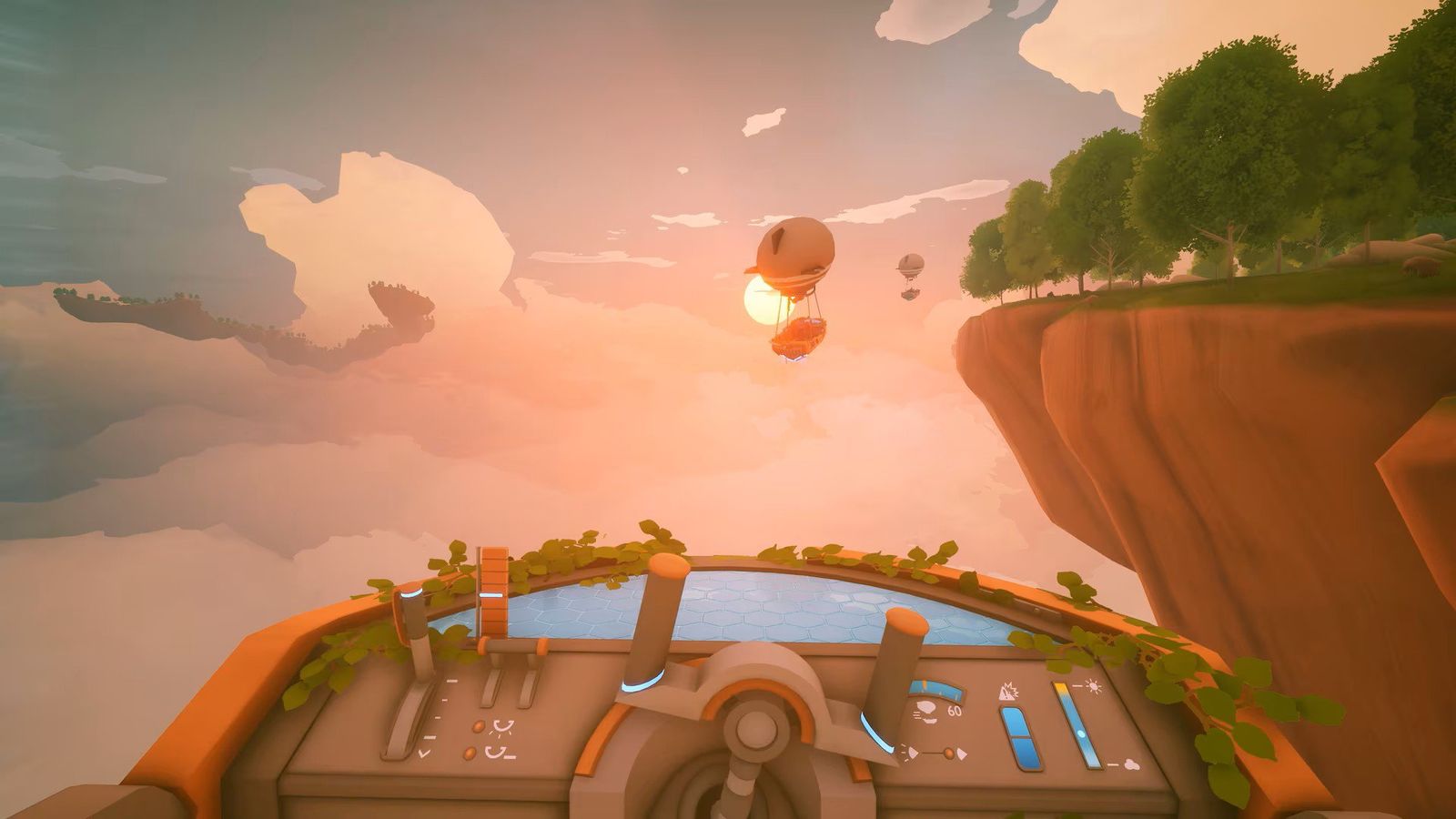
As I played Solarpunk, a cosy survival game that takes an ecologically friendly approach to the genre, I couldn't help but think of Rokaplay, the game's developer, and the passion project that went into creating this idiosyncratic sky archipelago. For players who crave a more human experience in gaming, Solarpunk is a breath of fresh air, a game that lets you experience the unvarnished humanity of a small team's creative vision. But beneath its charming exterior, Solarpunk poses a crucial question: can survival games be both fun and sustainable?
Solarpunk's slow-paced open world adventure is surprisingly compelling, and its ecologically friendly approach to survival is a refreshing change from the big-budget, highly polished games that dominate the market. Unlike those games, Solarpunk doesn't try to sugarcoat its approach to survival; instead, it presents a raw, unvarnished experience that requires players to think creatively and work with the land. As I explored the game's world, I found myself drawn to the game's gentle pace and the sense of accomplishment that came with crafting simple tools and building a sustainable community.
One of the standout features of Solarpunk is its tech tree, which allows players to progress along a sustainable route that's distinct from the industrial complex of games like Satisfactory. In Solarpunk, energy production comes from burning wood, but with a twist: players must plant saplings to replace the trees they chop down, ensuring that their island remains forested and sustainable. This approach to progress is a deliberate choice, one that reflects the game's focus on sustainability and its rejection of the industrial complex model that dominates many survival games.
But Solarpunk's sustainable approach to survival isn't just a novelty; it's a deliberate challenge to the industrial complex model that dominates many survival games. By working with the land, rather than exploiting it, Solarpunk presents a vision of sustainability that's both fun and empowering. As I played the game, I found myself drawn to the sense of agency that came with crafting simple tools and building a sustainable community. It's a feeling that's all too rare in modern gaming, where the focus on big budgets and celebrity voice acting can make games feel sterile and predictable.
As I finished playing Solarpunk, I couldn't help but think about the game's potential impact on the survival genre. Will Solarpunk's sustainable approach to survival inspire a new wave of games that prioritize ecology and sustainability? Or will it remain a niche game, appealing only to a small audience of players who crave a more human experience in gaming? I predict that Solarpunk will be a catalyst for change, inspiring a new generation of game developers to prioritize sustainability and ecology in their games. As the gaming industry continues to evolve, I expect to see more games like Solarpunk, games that challenge the industrial complex model and present a vision of sustainability that's both fun and empowering.
In the end, Solarpunk is more than just a game; it's a vision of a sustainable future that's both fun and empowering. As the gaming industry continues to evolve, I expect to see more games like Solarpunk, games that prioritize ecology and sustainability. It's a future that's both exciting and uncertain, but one thing is clear: Solarpunk is a game that's here to stay, a game that will inspire a new generation of game developers to think differently about survival and sustainability.
More stories you'll like

News
Harry Styles pays tribute to David Hockney and reflects on One Direction days as he kicks off record-breaking Wembley run

News
Ridiculously underrated thriller has Netflix chart in a chokehold after four weeks

News