Business
The eNaira struggled as a wallet. Now the CBN wants it to power payments
The eNaira's Second Chance As the Central Bank of Nigeria (CBN) continues to refine its vision for a cashless economy, Nasir Muhammad, the CBN Governor, must be breathing a sigh of relief.
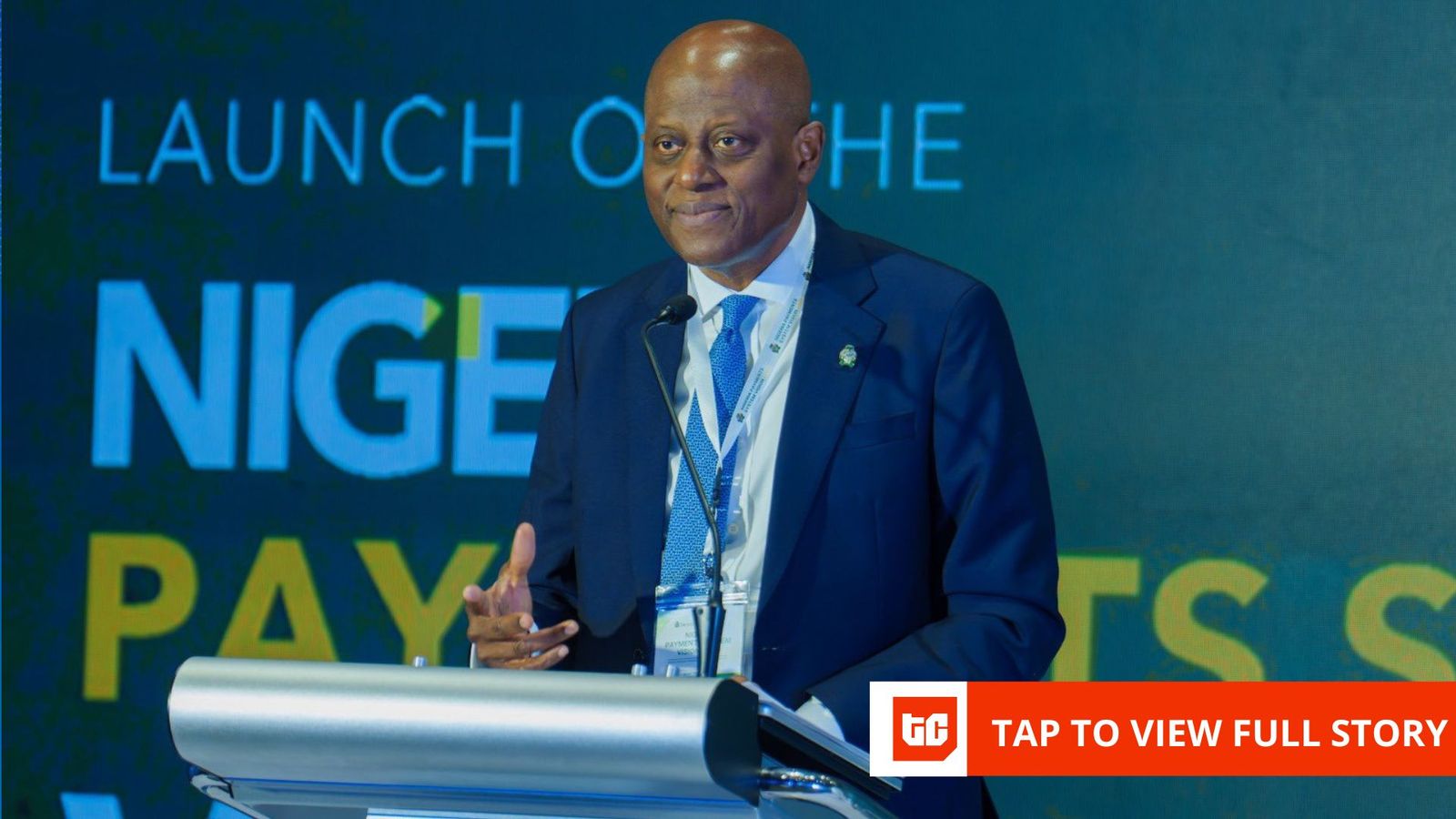
As the Central Bank of Nigeria (CBN) continues to refine its vision for a cashless economy, Nasir Muhammad, the CBN Governor, must be breathing a sigh of relief. After nearly five years of struggling to gain traction as a standalone digital wallet, the eNaira is getting a second chance at life. The CBN's Payments System Vision (PSV) 2028 strategy, unveiled on June 1, signals a major rethink of the eNaira's role, and it's a gamble that could either elevate the CBDC or further marginalize it. For millions of Nigerians who have yet to experience the benefits of the eNaira, this is a pivotal moment.
The eNaira's adoption numbers have been lacklustre, to put it mildly. With a small fraction of digital transactions accounted for, it's clear that the project has not lived up to its initial promise. But what's striking is that the eNaira's early challenges were not just technical, they were rooted in design. By requiring a Bank Verification Number (BVN) or National Identification Number (NIN) for access, the eNaira created barriers for many unbanked Nigerians who lacked formal identification or had no bank accounts. This was a major misstep, given the eNaira's stated goal of expanding financial inclusion.
So what's changing? Under the PSV 2028 strategy, the eNaira is being positioned as part of the infrastructure that underpins Nigeria's digital payments ecosystem. This means it will work alongside initiatives like open banking, digital identity, cross-border payments, and emerging financial technologies. The CBN is essentially acknowledging that the eNaira can't compete with existing digital payment options on its own, so it's taking a step back to rethink its role. This shift reflects a broader trend in the fintech space, where infrastructure is increasingly being seen as the key to unlocking economic growth.
The eNaira's struggles are not unique to Nigeria. Many African countries have launched their own central bank digital currencies (CBDCs), but adoption rates have been similarly lacklustre. For example, Ghana's e-Cedi has struggled to gain traction, while South Africa's Project Khokha has been plagued by delays. The CBN's shift towards infrastructure-driven growth is thus part of a broader conversation about the future of digital payments in Africa. As more countries explore the potential of CBDCs, Nigeria's experience will offer valuable lessons about the importance of designing infrastructure that works for everyone, not just the already-banked.
So what does the future hold for the eNaira? Given the PSV 2028 strategy, it's likely that the CBN will focus on integrating the eNaira into Nigeria's existing digital payments ecosystem. This could involve partnerships with fintech companies, banks, and mobile money providers to create a seamless experience for users. If executed correctly, this could finally unlock the potential of the eNaira, making it a valuable tool for Nigerians who have been left behind by the country's digital payments revolution.
The CBN's gamble has the potential to pay off big time, but it's a high-risk move that requires careful execution. As the payments landscape continues to evolve, one thing is clear: the eNaira's second chance is not just a lifeline for the CBDC, but also a chance to reboot Nigeria's entire approach to digital payments.
More stories you'll like
Business
Terrahex wants to build Bitcoin mines around Nigeria's stranded power
Business
IPO gold rush, fintech gridlock
Business