News
The Influencer Debate: Brands Are Angry, Creators Are Tired, Everybody Is Right
For Tayo, a 25-year-old influencer from Lagos, the recent drama around influencer rates and brand expectations was a painful reminder of the hard work she puts into building her audience every day.
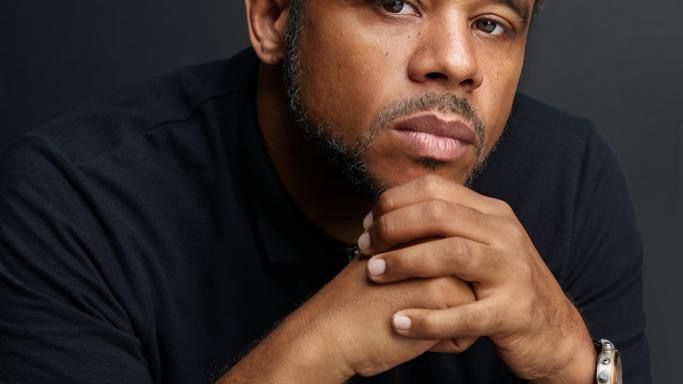
For Tayo, a 25-year-old influencer from Lagos, the recent drama around influencer rates and brand expectations was a painful reminder of the hard work she puts into building her audience every day. With over a million followers on Instagram, Tayo has spent years posting consistently, entertaining millions, and taking social risks to stay relevant. But when brands want to tap into her influence, they don't want to pay the price. It's a conversation that Tayo and many other influencers are tired of having.
The debate surrounding influencer rates and brand expectations is not just about money; it's about the value that influencers bring to the table. In many ways, influencers have become the media channels of a digital-first generation, building communities from their bedrooms, cars, kitchens, hostels, salons, and every corner of Lekki, Surulere, or Kafanchan. While traditional media companies were still sitting in conference rooms discussing "digital strategy," influencers were out there creating content, engaging with their audiences, and building their personal brands. And this is where the conversation becomes uncomfortable for some of us in media. We spent years building media companies, offices, studios, satellites, staff, compliance systems, advertising structures, distribution deals, budgets, and endless meetings. But when influencers started pulling numbers comparable to an entire media platform, we started to take notice.
The problem is that many media practitioners tried to copy and paste the influencer model into traditional media formats. We tried tweaking our platforms to behave more like digital channels, but it was too little, too late. The internet had already democratized content creation and distribution, and audience attention had quietly migrated. Influencers were no longer just entertainers; they were media moguls, with the power to make or break a brand. And this is where the debate around influencer rates and brand expectations comes in. Influencers are not just asking for money; they're asking for recognition, respect, and a seat at the table.
But beneath the surface of this debate lies a more complex issue: the exploitation of creators by brands. Brands want access to the attention and relevance that influencers have built, but they don't want to pay the price. They want to use influencers as cheap marketing channels, without giving them the recognition or compensation they deserve. And this is where the conversation becomes uncomfortable for some of us in media. We're not just talking about money; we're talking about the value of creativity, the power of community, and the importance of recognition.
So what's next for the creator economy? Will brands continue to exploit creators, or will they recognize the value that influencers bring to the table? Will influencers continue to be treated as second-class citizens, or will they demand the respect and recognition they deserve?Influencers are no longer just entertainers; they're media moguls, with the power to make or break a brand. And it's time for us to recognize their value.
The influencer debate is far from over, but one thing is clear: creators like Tayo are tired of being exploited by brands. It's time for us to recognize the value of creativity, the power of community, and the importance of recognition. The future of the creator economy is uncertain, but one thing is certain: influencers are here to stay, and they're not going anywhere anytime soon.
More stories you'll like

News
Harry Styles pays tribute to David Hockney and reflects on One Direction days as he kicks off record-breaking Wembley run

News
Ridiculously underrated thriller has Netflix chart in a chokehold after four weeks

News