News
When every call leaves a trail: Why can't Nigeria still find kidnappers?
Every Call Leaves a Trail, but Kidnappers Still Slip Away Gbolahan Olaniyi's October 2025 kidnapping was a wake-up call not just for him, but for Nigeria's security agencies and the general public.
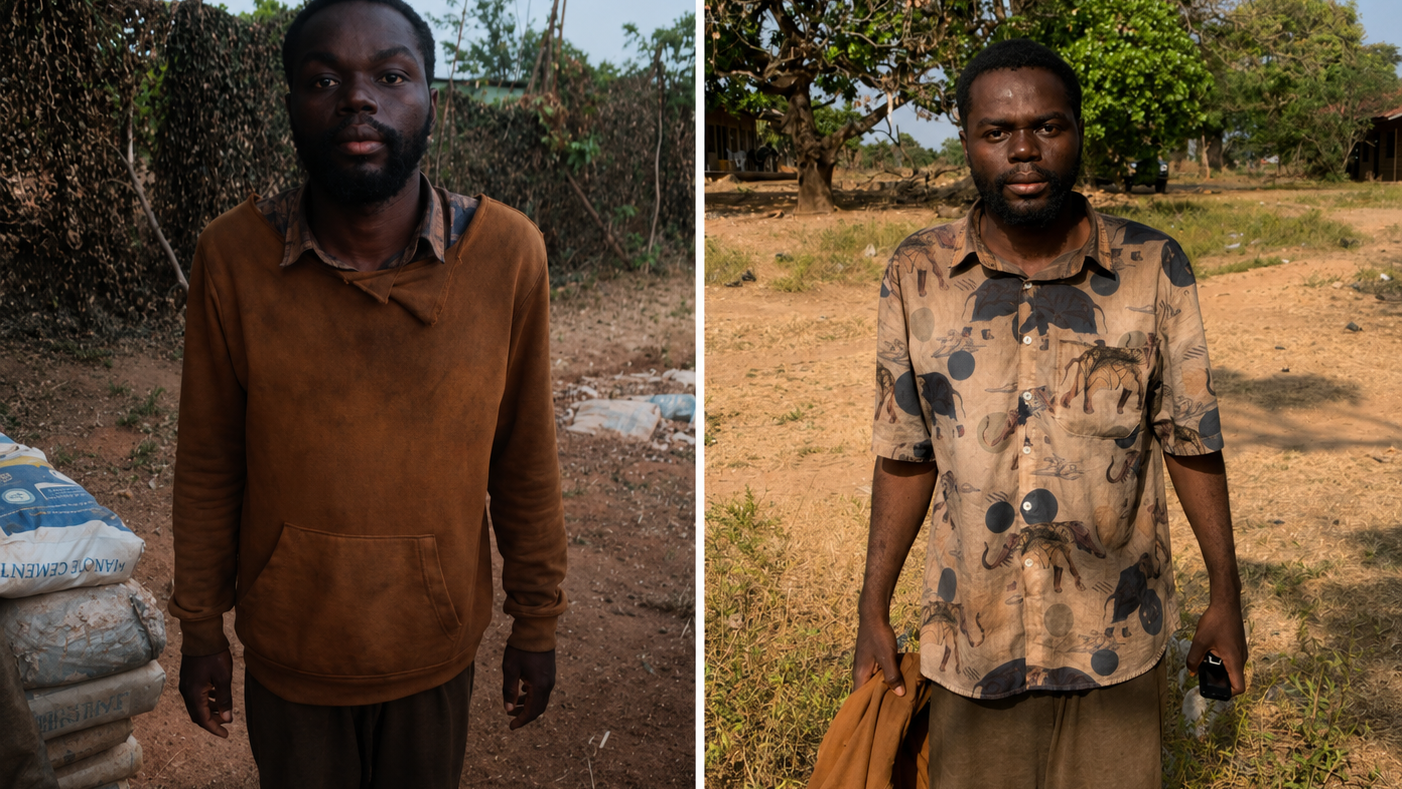
Gbolahan Olaniyi's October 2025 kidnapping was a wake-up call not just for him, but for Nigeria's security agencies and the general public. As a farm manager in Ekiti State, Olaniyi knows the risks of working in a region plagued by kidnappings. But he never expected to be ambushed, his tractor driver shot and tied to a tree, and himself forced to trek through remote forests for 42 days. What's striking about Olaniyi's case is the kidnappers' reliance on mobile phones, despite leaving a digital trail that should make it easier to track them down.
The kidnappers took everything from Olaniyi, including his phone, face cap, and boots. They even managed to cut out the markings on his customised farm boots before wearing them themselves. This brazen confidence in their ability to cover their tracks is puzzling, especially when you consider that mobile phones leave a digital trail that's often difficult to erase. Phone records, SMS messages, and even social media activity can provide valuable clues to investigators.
Nigeria's cybersecurity landscape is a complex web of challenges, including inadequate infrastructure, a lack of skilled cybersecurity professionals, and a growing number of cyber threats. The country's security agencies are still grappling with these issues, and it's clear that they're not doing enough to track down kidnappers like Olaniyi's. As a result, kidnappers are able to use mobile phones to coordinate their activities, communicate with each other, and even taunt their victims.
Social media has become an increasingly important tool for kidnappers, who use it to taunt their victims and their families. In Olaniyi's case, the kidnappers even demanded a ransom in exchange for his safe release. But social media has also provided investigators with valuable clues, including phone records and online activity. By analyzing these digital trails, investigators may be able to track down kidnappers and bring them to justice.
Olaniyi's 42-day ordeal was a harrowing experience, marked by constant threats and the execution of four kidnapped victims who tried to escape. Throughout the ordeal, the kidnappers relied heavily on mobile phones to coordinate their activities and communicate with each other. But despite their access to these digital tools, they still managed to evade capture.
As Nigeria grapples with the issue of kidnappings, it's clear that accountability is a major issue. Security agencies are struggling to track down kidnappers, and the public is growing increasingly frustrated with the lack of progress. In the case of Olaniyi's kidnapping, it's clear that the kidnappers were able to use mobile phones to cover their tracks and evade capture. But this raises bigger questions about the role of mobile phones in kidnappings and the need for Nigeria's security agencies to improve their cybersecurity capabilities.
As Nigeria continues to grapple with the issue of kidnappings, I predict that security agencies will increasingly turn to digital tools to track down kidnappers. This will involve improving cybersecurity capabilities, analyzing phone records and online activity, and using social media to gather intelligence. By doing so, Nigeria may finally be able to bring kidnappers to justice and provide relief to families like Olaniyi's.
For Gbolahan Olaniyi and his family, the ordeal is finally over. But for the many families still living in fear of kidnappers, the end is nowhere in sight. Nigeria's security agencies need to do more to track down kidnappers and bring them to justice. And as we continue to rely on mobile phones to connect with the world, we need to be aware of the double-edged sword that they represent in the fight against kidnappings.