News
Why Africa's most-funded EV startup is thinking beyond motorcycles
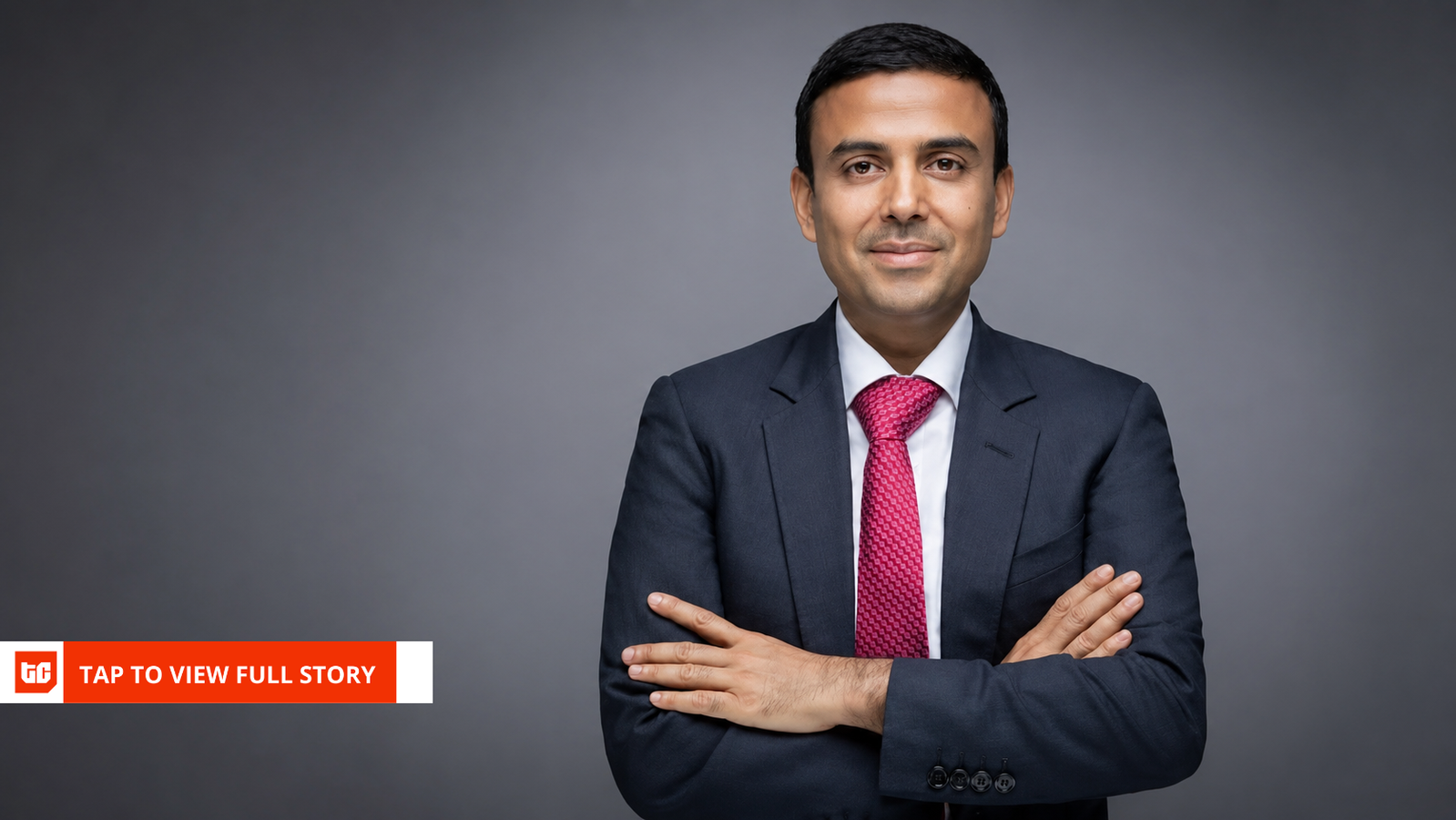
Gagan Gupta, the co-founder and chairman of Spiro, sat at the company's headquarters in Lagos, Nigeria, surrounded by sleek electric motorcycles and the hum of machinery that powers them. It's a setup that's become all too familiar African mobility startups: a flashy product, a bold vision, and a team of entrepreneurs determined to disrupt the status quo. But Gupta's gaze isn't on the motorcycles themselves. It's on the batteries that power them, and the infrastructure that makes them tick.
Spiro has just announced a $215 million funding round, one of the largest capital raises ever secured by an African mobility company. But the real story isn't the money itself; it's how the company plans to use it. For Gupta, the future of Spiro lies not in the motorcycles that brought the company to the fore, but in the battery-swapping network that's being built out across Africa. It's a strategy that speaks directly to the shift in investor sentiment across the continent's tech ecosystem.
Growth still matters, but it's no longer enough. Investors want to see clear evidence of sustainable revenue, profitability, and sound economics as startups scale. Spiro's latest strategy is a response to this new reality. While the company still earns the bulk of its revenue from selling electric motorcycles, Gupta is clear that the real money is in the batteries and swap stations.
Few mobility startups have consistently attracted capital, and Spiro is no exception. The company has now raised over $500 million through a combination of debt and equity financing, including a $50 million facility from Afreximbank and a $100 million funding round announced in 2025. The latest equity raise was led by Impact Fund Denmark and Equitane, and it's a vote of confidence in Spiro's vision for the future.
Spiro's revenue mix today is primarily driven by vehicle sales, with energy services, operations, and maintenance contributing the remaining share. But Gupta is clear that the company's current stage of development is just the beginning. As fleet density increases, energy demand scales in a compounding manner, and with it, the recurring, high-margin revenue profile that defines infrastructure businesses.
The relationship between Spiro's vehicles and its infrastructure is one of symbiosis. The motorcycles bring riders onto the platform, and the battery-swapping network is designed to generate ongoing activity after the initial sale. It's a model that's proven successful in other parts of the world, and Spiro is betting that it can be replicated in Africa.
Spiro's latest funding round is a significant milestone in the company's journey, but it's also a reminder that the African mobility sector is evolving. Investors are no longer content with just growth; they want to see a clear path to profitability and sustainability. Spiro's strategy is a response to this new reality, and it's one that's being watched closely by investors and entrepreneurs across the continent.
As I watched Gupta talk about Spiro's vision for the future, I couldn't help but feel a sense of excitement. Africa's mobility sector has long been touted as the next big thing, and Spiro's commitment to building a sustainable business model is a step in the right direction. It's a reminder that the continent's tech ecosystem is maturing, and that the companies that are willing to adapt and innovate will be the ones that succeed in the long run.
But what does this mean for the future of African mobility?