News
Why Africa's workforce, not just its startups, must be AI-ready
In a conference room, surrounded by screens and the faint hum of servers, Akinwunmi Adesina, the President of the African Development Bank, was once quoted as saying, "Africa needs more innovation ecosystems, more technical talent, and more globally competitive startups." His words, though optimistic, only tell half the story. Africa's AI conversation has been dominated by the voices of innovators, founders, and investors, with little attention paid to the workforce whose ability to use AI will ultimately determine how it drives meaningful economic growth.
As I scrolled through the pages of Africa's AI strategies, published by governments from Nigeria to Rwanda, I couldn't help but feel a sense of unease. While these documents outline ambitious plans for AI adoption, they rarely address the elephant in the room: the readiness of Africa's workforce to use AI. The continent's entrepreneurs and investors are pouring energy and capital into AI ecosystems, but workers are being left behind. In Lagos, a generation of founders is building AI tools for markets that global technology companies have consistently underserved, but what about the people who will use these tools? In Nairobi, a decade of mobile money infrastructure has given workers a digital foundation that most emerging economies are still working towards, but how prepared are they to harness the power of AI?
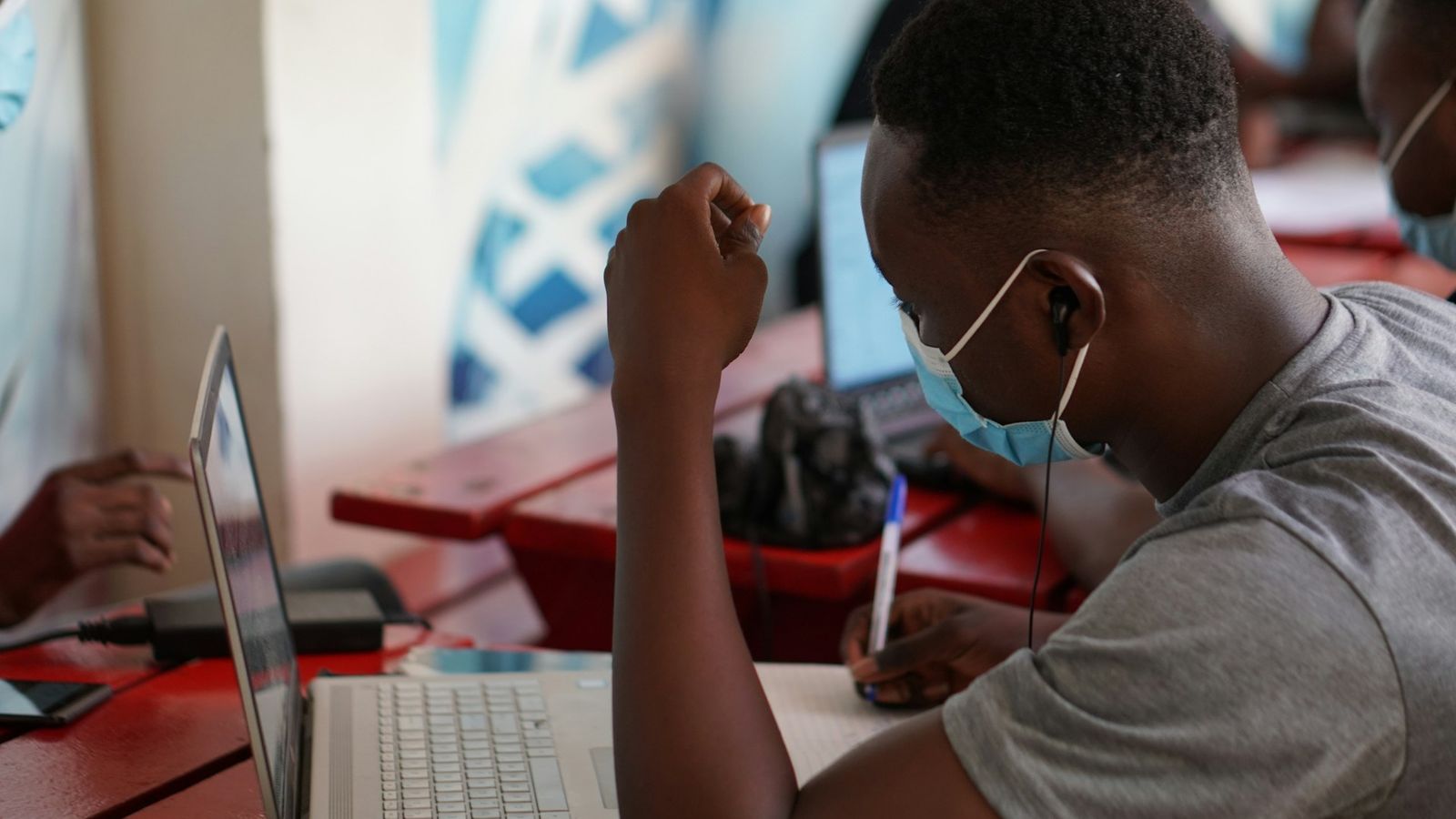
As automation tools, AI assistants, and workflow platforms arrive in African businesses, many are discovering that the biggest barrier to adoption is not access to technology, but workforce capability. Retailers are using AI to manage inventory and communication, small businesses are using AI tools for bookkeeping, operations, and customer service, while freelancers are learning how to deliver higher-quality work at a faster pace. But what happens when workers are not equipped to use these tools? The impact is becoming especially visible among young professionals entering competitive labor markets. AI is increasingly becoming a gateway to economic opportunity, but only for those who are equipped to use it.
Google's Our Life with AI (2025) report found that among Nigerian AI users, 93% use AI to learn or understand complex topics, while 91% use AI to improve their productivity. These numbers tell a story of a workforce that is gradually becoming AI-capable, but also of a continent that still has a long way to go. Africa may already be approaching a critical transition point where AI stops being primarily an innovation conversation and becomes a workforce one. The continent does not simply need more AI-enabled startups, it needs millions of AI-capable workers.
As AI continues to transform the African economy, it is clear that the continent must shift its focus from innovation to workforce development. Governments, investors, and entrepreneurs must work together to ensure that Africa's workforce is equipped to use AI and harness its potential. With AI poised to inject $2.9 trillion into the African economy, about a 3% annual increase in GDP, the stakes are high. Africa's AI revolution will not be complete until its workforce is ready to use it. As I reflected on the words of Akinwunmi Adesina, I realized that his optimism was not misplaced, but it was only half the story. The real challenge lies ahead, and it is time for Africa to rise to the occasion.
- Africa's AI strategies have been published by governments from Nigeria to Rwanda.
- The African Development Bank, led by Akinwunmi Adesina, has emphasized the need for more innovation ecosystems, technical talent, and globally competitive startups.
- Google's Our Life with AI (2025) report found that among Nigerian AI users, 93% use AI to learn or understand complex topics, while 91% use AI to improve their productivity.
- AI is poised to inject $2.9 trillion into the African economy, about a 3% annual increase in GDP.