Tech
Why M-KOPA is using smartphone repayments to expand digital lending
LEAD WITH THE HUMAN ANGLE: Faraimose Kutadzaushe, M-KOPA's chief financial officer, has spent over a decade helping Africans acquire smartphones on credit.
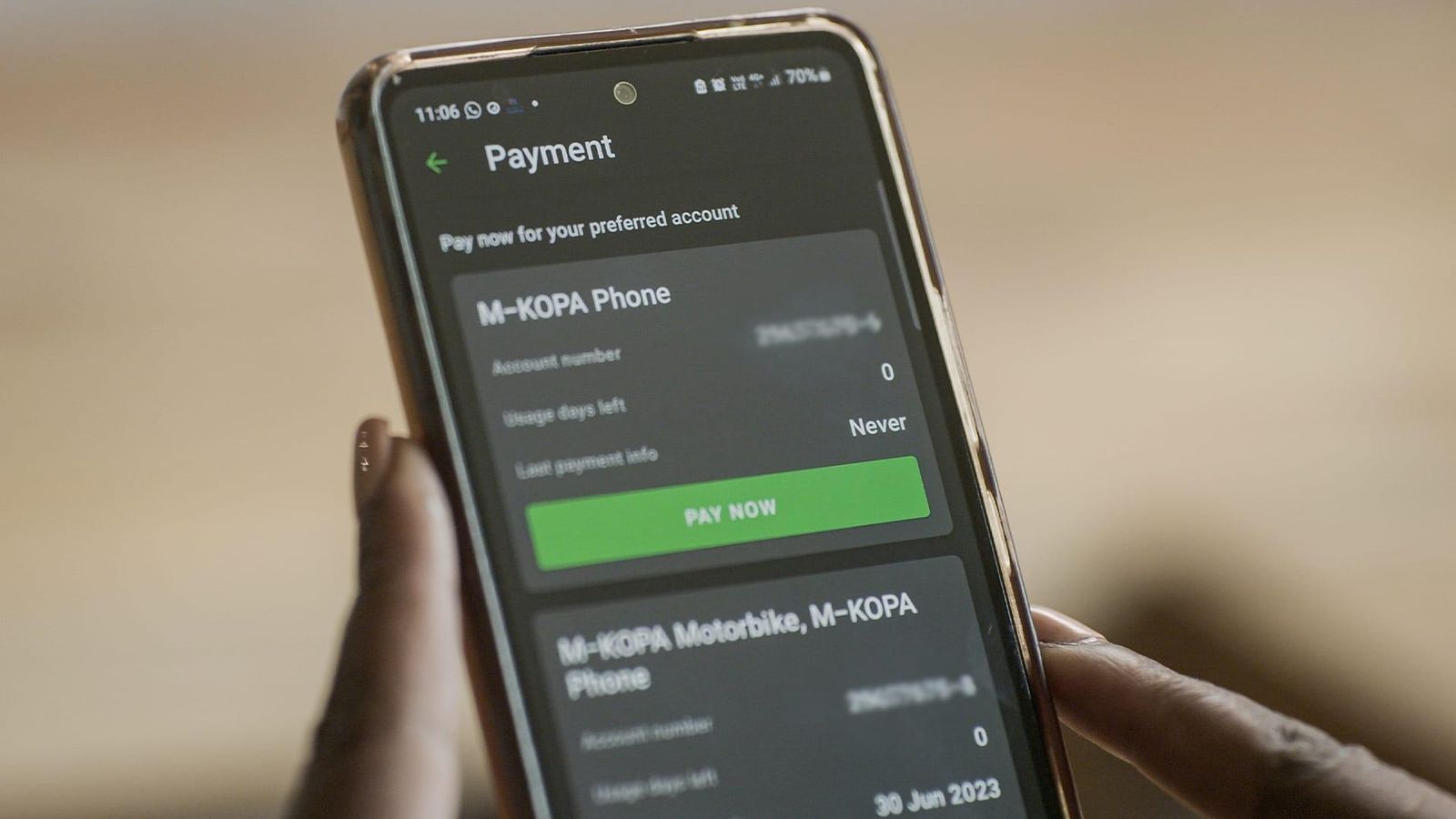
LEAD WITH THE HUMAN ANGLE: Faraimose Kutadzaushe, M-KOPA's chief financial officer, has spent over a decade helping Africans acquire smartphones on credit. For millions of his customers, buying a phone is just the beginning, it opens doors to formal credit, insurance, and other financial services they might not have accessed otherwise. As M-KOPA ramps up its digital lending business, what happens next for these customers, and for the company? It's using smartphone repayments as a gateway into digital credit.
M-KOPA has served nearly 10 million customers across Africa since 2020, deploying over $2 billion in credit. While smartphones remain its customer acquisition tool, the company is increasingly making money from lending, insurance, and other financial services built on the repayment data generated by those devices. According to Kutadzaushe, M-KOPA is not just selling phones, it's selling access to financial services that can transform lives. "We call it more than a phone," he explains. "It gives you the ability to qualify for things you would otherwise not qualify for."
The numbers are staggering: M-KOPA receives over one million repayments across its markets daily, acquiring more than 10,000 customers every day. Each repayment feeds into a risk model that continuously improves how the company prices credit. By leveraging this data, M-KOPA has built a proprietary credit profile for customers who often lack formal financial records. A customer who makes daily payments for 30 days has already generated 30 separate credit signals, providing a wealth of information for the company to work with. According to M-KOPA's 2025 impact report, half of its customers live on less than $5.50 a day, while 38% are accessing formal credit for the first time. These figures underscore the scale and potential impact of M-KOPA's digital lending model.
M-KOPA's approach to digital lending is part of a broader trend in African fintechs. According to the World Bank, only about a quarter of adults in low-income economies, including many African countries, used formal credit in 2024. This opens the door to cash flow-based lending models that draw on digital payment histories to assess creditworthiness. Moniepoint, for example, uses transaction data from merchants on its platform to underwrite business loans. In 2025, the company said it disbursed more than ₦1 trillion ($721.2 million) in credit, relying on transaction histories to assess risk and maintain low default rates. M-KOPA's success in this space will depend on its ability to balance risk and reward, while also delivering on its promise of financial inclusion.
M-KOPA's digital lending model has the potential to transform the lives of millions of Africans. By leveraging smartphone repayments as a gateway to credit, the company is addressing a critical gap in the financial ecosystem. As the African fintech landscape continues to evolve, it will be interesting to see how M-KOPA navigates the complex regulatory environment and maintains its competitive edge. With its proprietary credit profile and continuous risk assessment, the company is well-positioned to expand its digital lending business and serve an even broader customer base.
As M-KOPA continues to scale its digital lending business, it's likely that we'll see a significant increase in the number of customers accessing formal credit for the first time. With its cash flow-based lending model, the company is well-positioned to capture a larger share of the African fintech market. However, M-KOPA will need to balance its growth ambitions with the need to maintain low default rates and ensure that its customers are not overburdened with debt. As the company continues to innovate and expand, one thing is clear: M-KOPA is at the forefront of a revolution in digital lending that has the potential to transform the lives of millions of Africans.