Politics
Why Tinubu must bark and bite
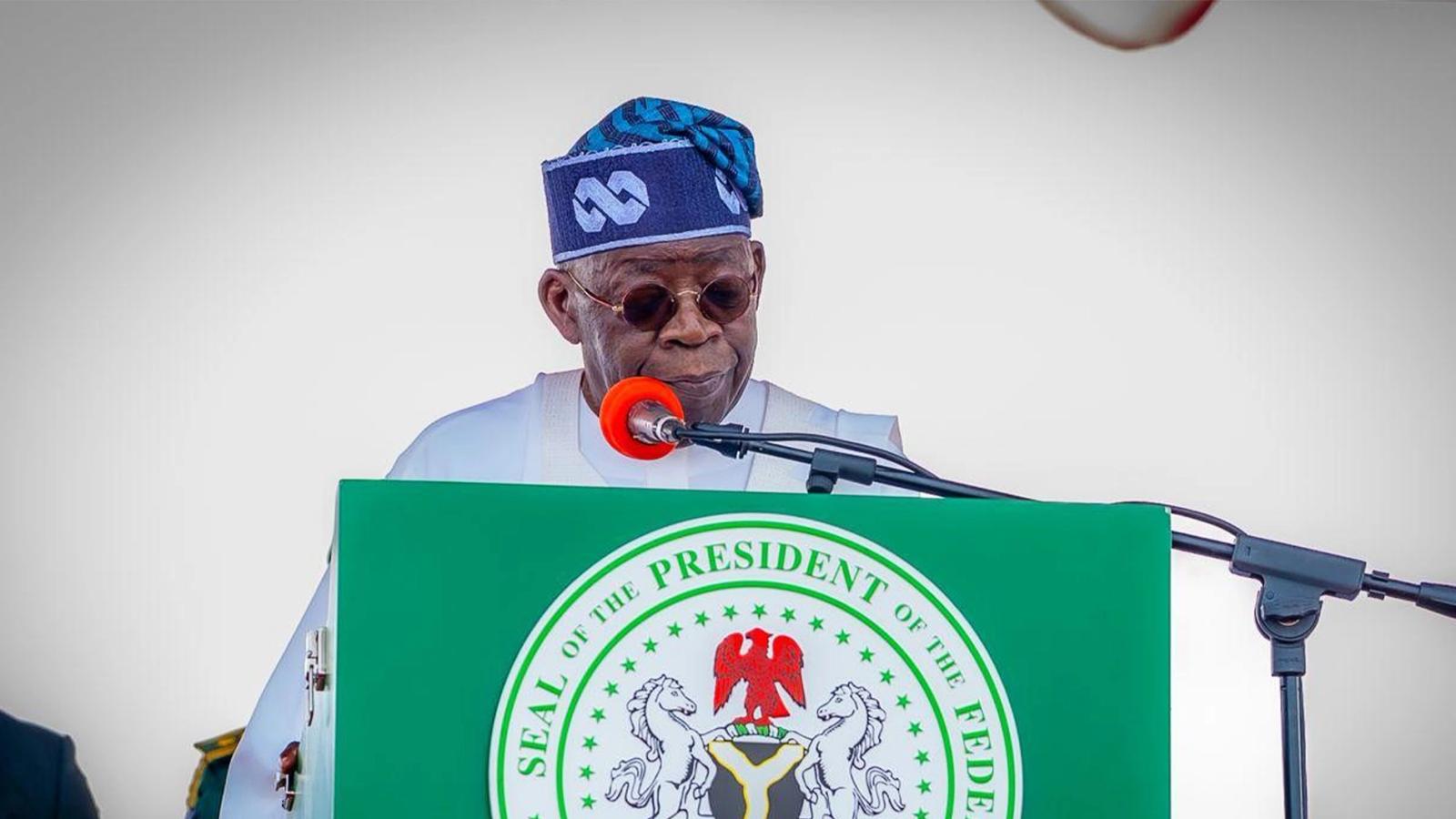
Banji Alabi's recent commentary in the Guardian has brought to the fore a pressing concern that has been lingering in the corridors of power in Abuja: President Bola Tinubu's administration has been barking loud, but its bites have been too little, too late. The hard-hitting article serves as a stark reminder that change, particularly the kind that Nigeria so desperately needs, comes at a price. For too long, the country has been stuck in a vicious cycle of inaction, with leaders promising the world but delivering little in terms of tangible results.
While it's true that President Tinubu has made some bold promises since taking office, a closer look at his administration's track record reveals a worrying trend. According to Banji Alabi, the administration has been more inclined to bark than bite, with little evidence of the kind of decisive action that has driven success in other countries. Take, for instance, the administration's handling of the economy. Despite promises to revitalize the sector, the numbers paint a gloomy picture. Inflation remains high, external debt continues to balloon, and the banking sector, which was once touted as a major success story, is now struggling to stay afloat.
Banji Alabi's commentary is not just a critique of the Tinubu administration; it's also a call to arms for a new kind of leadership in Nigeria. The author draws inspiration from the likes of former President Olusegun Obasanjo, who was known for his bold policy initiatives and willingness to challenge entrenched interests. Obasanjo's administration, which ran from 1999 to 2007, is often cited as a benchmark for what can be achieved when leaders are willing to take tough decisions. The Obasanjo era was marked by a series of bold policy initiatives that delivered measurable results, including securing $18 billion in external debt relief and driving GSM liberalisation. What defined that era was not just policy direction but enforcement. Public officials were sacked, contracts revoked, and entrenched interests were challenged directly when they stood in the way of progress.
Africa has a rich history of leaders who have driven radical change through the judicious use of power. From China to India, Rwanda to the Middle East, contemporary history is replete with stories of countries that have hit the top only after some hard policies were enforced without discrimination and without sparing individuals or groups. In Africa, there are many examples of leaders who have used their power to drive transformation. Take, for instance, the late President Paul Kagame of Rwanda, who has been credited with transforming his country into one of the most stable and prosperous in Africa. Kagame's leadership style, which is characterized by a willingness to take tough decisions and challenge entrenched interests, has been widely praised.
In conclusion, Banji Alabi's commentary serves as a stark reminder that President Tinubu's administration needs to take a more decisive stance if it hopes to drive radical change in Nigeria. The country needs leaders who are willing to bark, bite, and damn the consequences. Anything less will be a recipe for stagnation and decline. As the country navigates its way through these tumultuous times, it's imperative that leaders remember that change comes at a price. The price of progress is always paid in advance, and it's time for President Tinubu to start paying up.
As Nigeria looks to the future, one thing is certain: the politics of enforcement will continue to shape the country's destiny. Whether Tinubu's administration will be willing to take the tough decisions that this requires remains to be seen. But one thing is for sure: the country cannot afford to wait any longer. The time for barking is over; it's time to bite.