News
Yves Tumor replaced on Turnstile tour following sexual assault allegations
Yves Tumor’s name is suddenly a footnote in a tour that once promised sonic fireworks.
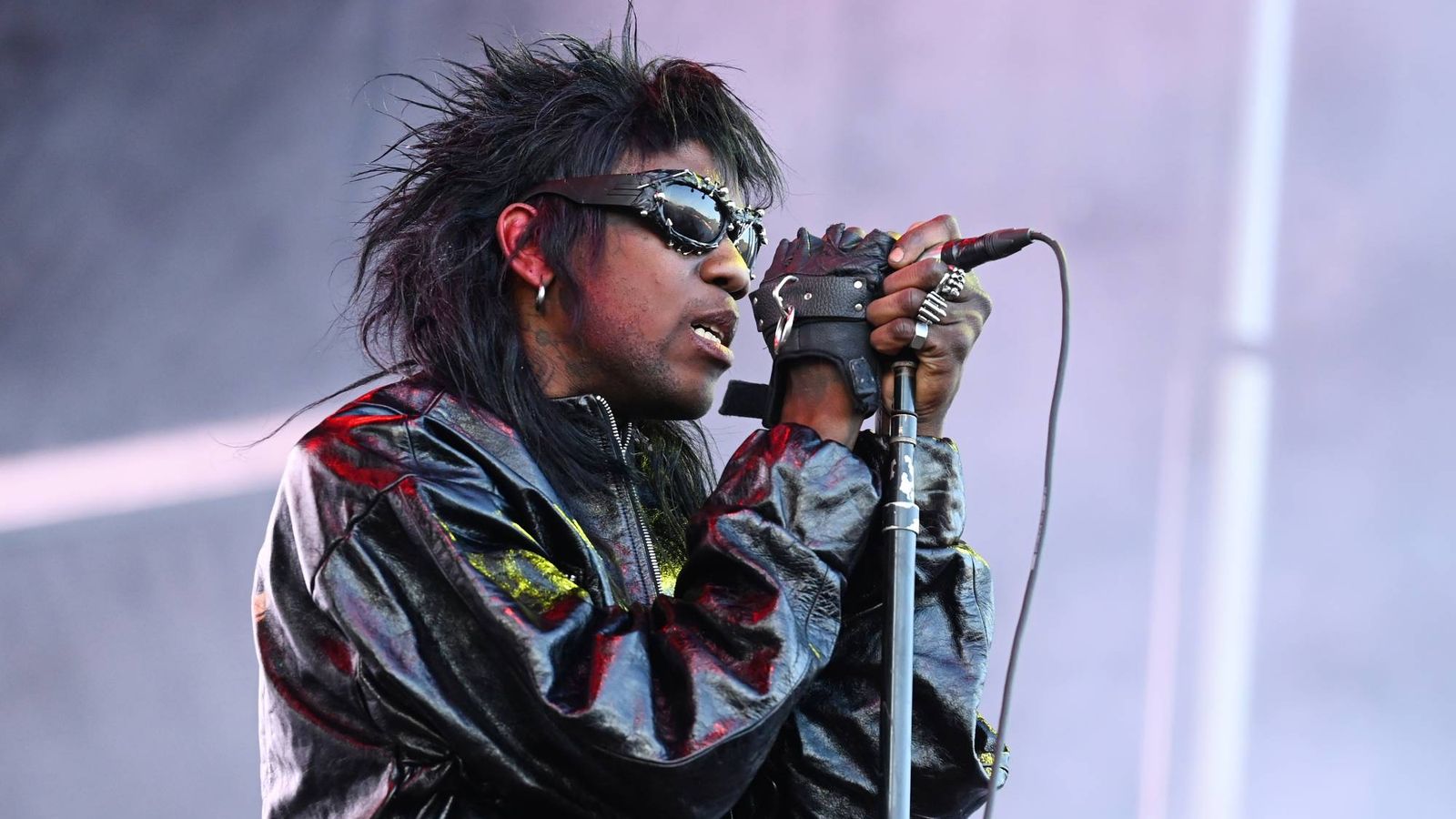
Yves Tumor’s name is suddenly a footnote in a tour that once promised sonic fireworks. For the Canadian fans who bought tickets to the Toronto show, the replacement of the experimental artist with a hardcore punk act feels like a betrayal of the genre‑mixing spirit that Turnstile was built on. For the women who saw their trauma broadcast on Reddit, the decision to pull Tumor from the stage is a small, but vital, acknowledgment that their voices matter.
The chain of events began when a subreddit thread posted a bruised woman’s photos and a harrowing claim that Sean Lee Bowiethe man behind Yves Tumorhad assaulted someone close to her. The post was amplified when Angel Money took to X to say he had “groped” her on camera. Kidä, who had performed on Tumor’s track “Lovely Sewer” from the album Praise a Lord Who Chews but Which Does Not Consume, shared her own experience, calling it “one of the most disrespectful professional experiences of my career.” These accusations, coming from multiple artists who had worked with Tumor, created a pattern that could not be ignored.
Tumor’s first response was a brief Instagram story declaring the allegations “100 per cent untrue and also completely heartbreaking.” He added that he would take “extreme legal action.” The post vanished almost as quickly as it appeared, a tactic that only fueled speculation. The rapid deletion suggests a lack of confidence in the defense, or at least a desire to control the narrative before it spiraled.
Turnstile’s lineup was already a star‑filled showcase: Clips, Ceremony, Thundercat, Slayyyter, Hatebreed, Vince Staples, and more. Tumor was slated to perform three datesToronto (Sept 12), Portland (Sept 26), and Raleigh (Sept 29). The replacement act in Toronto was No Warning, a hardcore punk band, while Obituary and Dinosaur Jr were announced for the other shows. The swift shuffle of acts shows that the organizers prioritized the integrity of the tour over the allure of a controversial name.
Everyone loves a headline‑making scandal, but the real issue is how the industry reacts. The quick removal of Tumor signals a shift toward zero tolerance, yet the fact that the allegations were only addressed after public pressure shows that the system still relies on external scrutiny. In a world where artists are expected to be role models, the industry must act proactively, not reactively. This incident could become a benchmark for how future allegations are handled.
I predict that by next year, booking agencies will implement mandatory background checks for all touring artists. The public’s appetite for transparency will force labels to disclose past misconduct before contracts are signed. If this trend continues, the music scene will see fewer last‑minute cancellations and a stronger culture of accountability.
The fallout from Yves Tumor’s removal is more than a schedule change; it is a signal that the music community is finally taking sexual misconduct seriously. The real winners are the women who felt heard, and the fans who now see that the art can survive even when its creators fall.