News
How I got to play the Evercade Nexus early and what I think of it: Reader's Feature
The night began with a quiet buzz in a Southwark railway arch, the kind that makes you feel you’ve stumbled into a secret club.
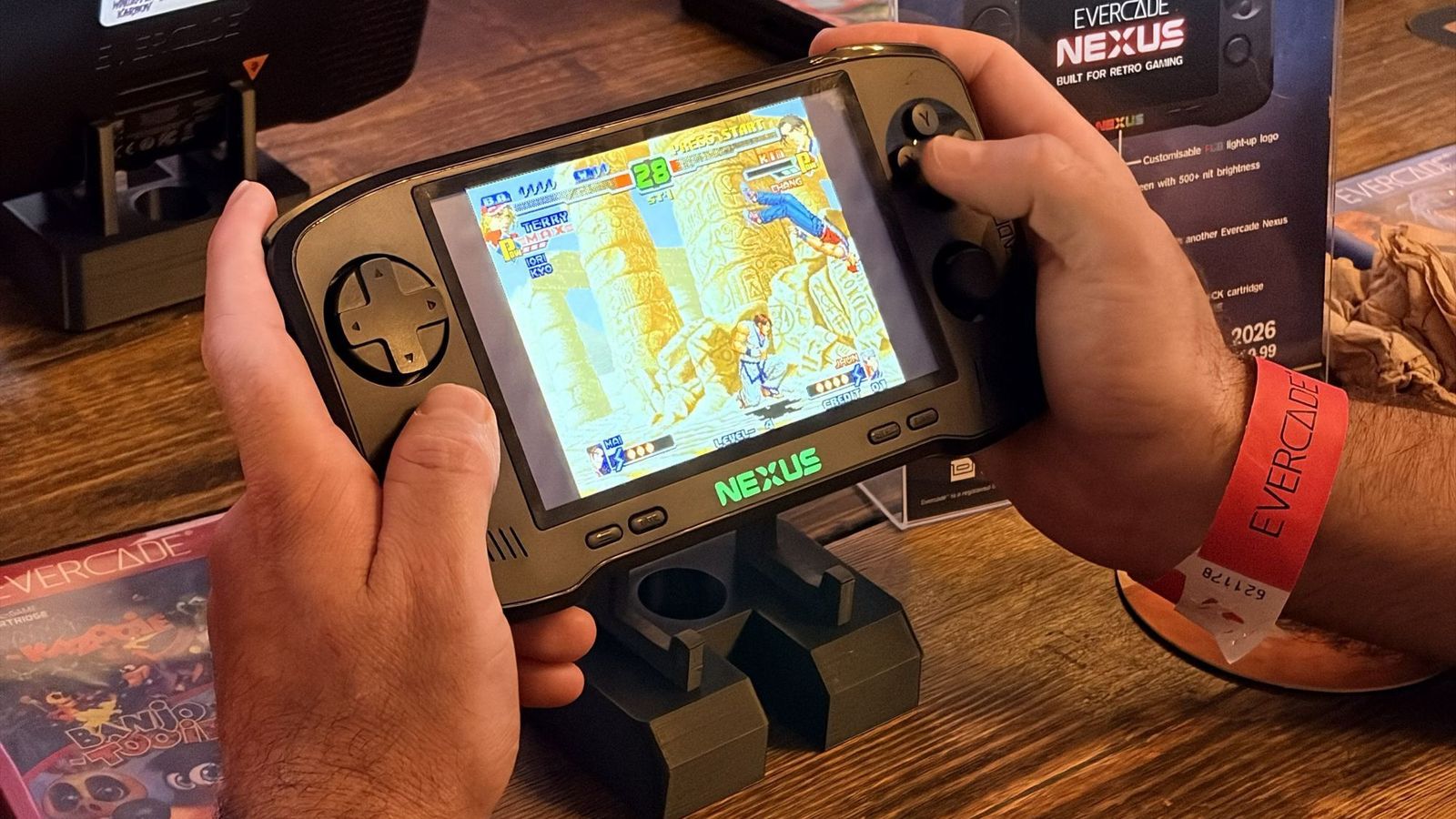
The night began with a quiet buzz in a Southwark railway arch, the kind that makes you feel you’ve stumbled into a secret club. A readermyself, a long‑time subscriber to Evercadewas handed a token, a small paper slip that unlocked a free drink and a slice of pizza. The air smelled of melted cheese and old vinyl, and the hum of conversations about retro titles filled the space. It was an invitation earned by never unsubscribing from Evercade’s mailing list, a habit that had kept me in the loop since the first handheld, the VS‑R, and the home console, the Evercade.
When I joined the line, I noticed a cluster of middle‑aged men, all wearing the same faded t‑shirts, all looking like I had. Their presence felt oddly comforting, a reminder that retro gaming has always been a community affair. The queue stretched past the entrance, a ritual that mirrored the anticipation of a launch party. I slipped into a spot, token in hand, and waited for the moment when the doors would open.
Inside, the layout was simple yet effective. Two tokens were needed to claim a drink, and the pizza was generouslarge enough to share. The main attraction was the Evercade Nexus, a device that promised a leap from the plasticky, toy‑like original. I pressed the thumbsticks, and the feel was immediate: sturdy, responsive, and surprisingly ergonomic. The device seemed to blend the tactile comfort of a handheld with the robustness of a console, a balance that made my hands feel less strained than during a recent Miyoo Mini+ session on a train.
Beyond the Nexus, Blaze Entertainment showcased its other hardware: the Alpha, a bar‑top arcade, and the Super Pocket, a compact handheld. The Alpha’s build quality caught my eye; its metal chassis and well‑placed controls made it a pleasure to play New Zealand Story on. The Super Pocket, however, proved less forgiving. Its shoulder buttons were out of reach, making a simple Hadouken feel like an exercise in frustration.
A highlight of the evening was a Doom deathmatch tournament projected onto a massive wall display. The sight of pixelated demons and rapid-fire action brought a nostalgic thrill that matched the tactile joy of the devices. The event felt like a bridge between the past and present, with the new hardware acting as a conduit for classic games.
As the night wore on, I found myself drifting toward the exit, attempting to blend into the crowd while clutching a goodie bag. The atmosphere, though, remained warm. Despite the occasional obstruction from backpack‑laden attendees, the space felt like a shared living room where everyone could gather around a screen and reminisce.
The Evercade Nexus delivers on its promise of improved ergonomics and a more authentic handheld feel. Its thumbsticks and build quality elevate the experience beyond the original model, making it a worthy upgrade for collectors and casual players alike. Meanwhile, the Alpha stands out for its sturdy design, and the Super Pocket still struggles with ergonomics for more complex titles.
In the end, the event was less about the hardware and more about community. It reminded me that retro gaming thrives on shared experiences, and that the joy of a well‑designed console can be amplified by the company of fellow enthusiasts. The next launch from Blaze Entertainment will likely build on this foundation, perhaps addressing the ergonomics of the Super Pocket and expanding the Nexus’s game library. The future of physical retro gaming looks promising, especially when it brings people together in a space that feels both nostalgic and forward‑looking.
More stories you'll like

News
"With an iPhone and a Corner of My Room": Wisdom Kaye Receives Virgil Abloh Award at Harlem's Fashion Row

News
Nintendo is a far better industry leader than PlayStation and this week proved it: Reader's Feature

News